Ürün Açıklaması
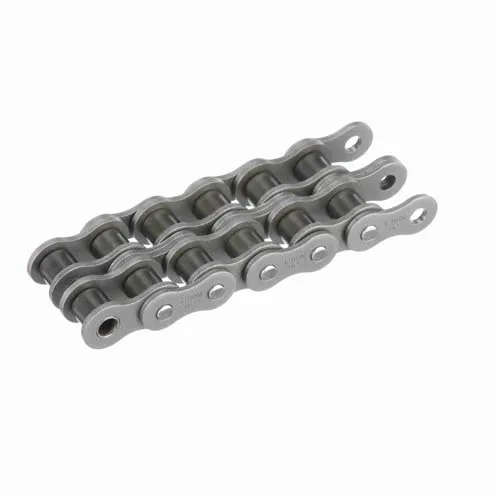
TXK EN818-2 Q235 Black g30 load iron chain for link
TXK Load Chain:
1. High reliability
2. Minimal maintenance
3. Longer service life
/* 22 Ocak 2571 19:08:37 */!function(){function s(e,r){var a,o={};try{e&&e.split(“,”).forEach(function(e,t){e&&(a=e.match(/(.*?):(.*)$/))&&1
| Kullanım: | Transmission Chain, Conveyor Chain |
|---|---|
| Malzeme: | Alaşım |
| Yüzey İşlemi: | Fırın Boyası |
| Özellik: | Isıya Dayanıklı |
| Zincir Boyutu: | 1/2"*11/128" |
| Yapı: | Kaynaklı Zincir |
| Özelleştirme: | Mevcut | Özelleştirilmiş Talep |
|---|

How do you calculate the chain pull force in a conveyor chain system?
The chain pull force, also known as the chain tension, is an important parameter to determine in a conveyor chain system. It represents the force required to move the conveyed load along the conveyor. The calculation of chain pull force involves several factors:
1. Weight of the Load: Determine the weight of the load being conveyed. This includes the weight of the product, packaging materials, and any additional equipment or components carried by the conveyor.
2. Friction Coefficients: Identify the friction coefficients between the load and the conveyor components. This includes the friction between the product and the conveyor chain, as well as the friction between the product and the conveyor bed or guides. These coefficients are typically provided by the manufacturer or can be obtained through testing.
3. Incline or Decline Angle: Consider the angle at which the conveyor operates. If the conveyor has an incline or decline, the angle will affect the force required to move the load.
4. Acceleration and Deceleration: Account for any acceleration or deceleration requirements in the conveyor system. If the conveyor needs to start or stop abruptly or if there are changes in speed, these factors will impact the chain pull force.
Once these factors are determined, the chain pull force can be calculated using the following formula:
Chain Pull Force = (Weight of Load + Friction Force) × (1 + Incline or Decline Factor) × (1 + Acceleration or Deceleration Factor)
It’s important to note that the accuracy of the calculation depends on the accuracy of the input values. Therefore, it’s recommended to consult the conveyor manufacturer or an engineering professional to ensure precise calculations and proper sizing of the conveyor chain.
Paslanmaz çelik konveyör zincirlerinin kullanımının faydaları nelerdir?
Paslanmaz çelik konveyör zincirleri, diğer zincir türlerine göre çeşitli avantajlar sunar. İşte başlıca faydalarından bazıları:
1. Korozyon Direnci: Paslanmaz çelik, korozyona karşı son derece dirençlidir; bu da onu zorlu ortamlarda veya sık yıkama veya neme maruz kalma gerektiren endüstrilerde kullanım için uygun hale getirir. Diğer metaller gibi paslanmaz veya korozyona uğramaz, bu da daha uzun ömür ve güvenilir performans sağlar.
2. Mukavemet ve Dayanıklılık: Paslanmaz çelik zincirler yüksek mukavemetleri ve dayanıklılıklarıyla bilinir. Deformasyona veya kırılmaya uğramadan ağır yükleri, yüksek sıcaklıkları ve aşındırıcı malzemeleri kaldırabilirler. Bu da onları güvenilirlik ve uzun ömürlülüğün çok önemli olduğu ağır hizmet uygulamaları için ideal kılar.
3. Hijyenik ve Sağlıklı: Paslanmaz çelik, temizlenmesi ve bakımı kolay, gözeneksiz bir malzemedir. Bakterilere, küfe ve diğer kirleticilere karşı dirençlidir; bu da onu gıda işleme, ilaç ve tıbbi cihazlar gibi katı hijyen gereksinimleri olan sektörler için uygun hale getirir. Paslanmaz çelik zincirler iyice temizlenebilir ve dezenfekte edilebilir, bu da ürün kontaminasyon riskini azaltır.
4. Sıcaklık Dayanımı: Paslanmaz çelik zincirler, hem yüksek hem de düşük olmak üzere geniş bir sıcaklık aralığına dayanabilir. Mükemmel ısı direncine sahiptirler ve bu sayede aşırı sıcaklık koşullarında bile güçlerini ve performanslarını koruyabilirler.
5. Estetik Görünüm: Paslanmaz çelik zincirler şık ve parlak bir görünüme sahip olup, konveyör sistemine profesyonel ve estetik bir dokunuş katar. Genellikle perakende veya lüks eşya gibi görsel çekiciliğin ve marka temsilinin önemli olduğu sektörlerde kullanılırlar.
6. Kimyasal Direnç: Paslanmaz çelik, asitler, alkaliler ve çözücüler de dahil olmak üzere çeşitli kimyasallara karşı dirençlidir. Bu özelliği sayesinde, aşındırıcı maddelerle temasın muhtemel olduğu uygulamalar için uygundur.
7. Yüksek Hızlı Uygulamalarla Uyumluluk: Paslanmaz çelik zincirler, yapısal bütünlüklerinden veya performanslarından ödün vermeden yüksek hızlı işlemlere dayanabilirler. Yüksek hızlarda bile stabilitelerini ve hassasiyetlerini korurlar.
Genel olarak, paslanmaz çelik konveyör zincirleri korozyon direnci, mukavemet, dayanıklılık, hijyenik özellikler, sıcaklık direnci, estetik görünüm, kimyasal direnç ve yüksek hızlı uygulamalarla uyumluluk sunar. Bu avantajlar, güvenilirlik, temizlik ve performansın esas olduğu gıda ve içecek, ilaç, otomotiv ve imalat gibi sektörlerde onları tercih edilen bir seçenek haline getirir.

How does a conveyor chain compare to other types of conveyor systems?
Conveyor chains are one of the common types of conveyor systems used in various industries. They offer specific advantages and characteristics that differentiate them from other types of conveyor systems.
1. Versatility: Conveyor chains are highly versatile and can be used for a wide range of applications, including horizontal, inclined, and vertical conveying. They can handle various types of materials, from bulk solids to individual items.
2. High Load Capacity: Conveyor chains are known for their high load-carrying capacity. They are designed to handle heavy loads and can be used in applications where other conveyor systems may not be suitable.
3. Durability: Conveyor chains are built to withstand harsh operating conditions and heavy-duty use. They are made from strong and durable materials, such as steel or alloy, that can withstand abrasion, impact, and wear.
4. Flexibility: Conveyor chains offer flexibility in terms of layout and design. They can be configured to accommodate complex conveyor paths, curves, and multiple discharge points, allowing for efficient material flow and system customization.
5. Cost-Effective: Conveyor chains often provide a cost-effective solution for material handling compared to other conveyor systems. They have a relatively low initial cost, require less maintenance, and have a longer service life.
However, it’s important to note that conveyor chains may not be suitable for every application. Other types of conveyor systems, such as belt conveyors, screw conveyors, or pneumatic conveyors, may offer specific advantages depending on the application requirements, material characteristics, or environmental factors.
Ultimately, the selection of the appropriate conveyor system depends on factors such as load capacity, material properties, layout constraints, cost considerations, and specific application needs.


editor by CX 2024-05-03