제품 설명
TXK EN818-2 Q235 Black g30 load iron chain for link
TXK Load Chain:
1. High reliability
2. Minimal maintenance
3. Longer service life
/* 2571년 1월 22일 19:08:37 */!function(){function s(e,r){var a,o={};try{e&&e.split(“,”).forEach(function(e,t){e&&(a=e.match(/(.*?):(.*)$/))&&1
| 용법: | Transmission Chain, Conveyor Chain |
|---|---|
| 재료: | 합금 |
| 표면 처리: | 베이킹 페인트 |
| 특징: | 내열성 |
| 체인 크기: | 1/2"*11/128" |
| 구조: | Welded Chain |
| 맞춤 설정: | 사용 가능 | 맞춤형 요청 |
|---|
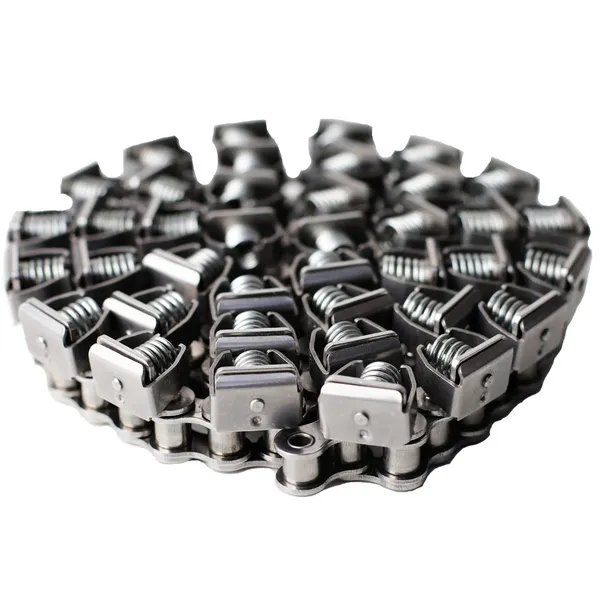
How do you calculate the chain pull force in a conveyor chain system?
The chain pull force, also known as the chain tension, is an important parameter to determine in a conveyor chain system. It represents the force required to move the conveyed load along the conveyor. The calculation of chain pull force involves several factors:
1. Weight of the Load: Determine the weight of the load being conveyed. This includes the weight of the product, packaging materials, and any additional equipment or components carried by the conveyor.
2. Friction Coefficients: Identify the friction coefficients between the load and the conveyor components. This includes the friction between the product and the conveyor chain, as well as the friction between the product and the conveyor bed or guides. These coefficients are typically provided by the manufacturer or can be obtained through testing.
3. Incline or Decline Angle: Consider the angle at which the conveyor operates. If the conveyor has an incline or decline, the angle will affect the force required to move the load.
4. Acceleration and Deceleration: Account for any acceleration or deceleration requirements in the conveyor system. If the conveyor needs to start or stop abruptly or if there are changes in speed, these factors will impact the chain pull force.
Once these factors are determined, the chain pull force can be calculated using the following formula:
Chain Pull Force = (Weight of Load + Friction Force) × (1 + Incline or Decline Factor) × (1 + Acceleration or Deceleration Factor)
It’s important to note that the accuracy of the calculation depends on the accuracy of the input values. Therefore, it’s recommended to consult the conveyor manufacturer or an engineering professional to ensure precise calculations and proper sizing of the conveyor chain.
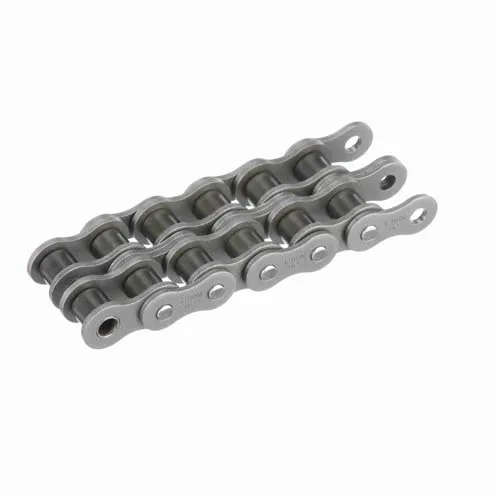
스테인리스강 컨베이어 체인을 사용하면 어떤 이점이 있습니까?
스테인리스강 컨베이어 체인은 다른 종류의 체인에 비해 여러 가지 장점을 제공합니다. 주요 이점은 다음과 같습니다.
1. 내식성: 스테인리스강은 내식성이 매우 뛰어나 가혹한 환경이나 잦은 세척 또는 습기에 노출되는 산업 분야에 적합합니다. 다른 금속처럼 녹슬거나 부식되지 않아 수명이 길고 안정적인 성능을 보장합니다.
2. 강도 및 내구성: 스테인리스강 체인은 높은 강도와 내구성으로 잘 알려져 있습니다. 무거운 하중, 고온, 마모성 물질에도 변형이나 파손 없이 견딜 수 있습니다. 따라서 신뢰성과 수명이 중요한 고하중 작업에 이상적입니다.
3. 위생적 및 청결성: 스테인리스강은 기공이 없는 소재로 세척 및 관리가 용이합니다. 박테리아, 곰팡이 및 기타 오염 물질에 대한 저항력이 뛰어나 식품 가공, 제약, 의료기기 등 엄격한 위생 기준이 요구되는 산업에 적합합니다. 스테인리스강 체인은 철저한 세척 및 살균이 가능하여 제품 오염 위험을 줄여줍니다.
4. 내열성: 스테인리스 스틸 체인은 고온 및 저온을 포함한 광범위한 온도 범위를 견딜 수 있습니다. 뛰어난 내열성을 지니고 있어 극한 온도 조건에서도 강도와 성능을 유지할 수 있습니다.
5. 심미적 매력: 스테인리스 스틸 체인은 매끄럽고 세련된 외관을 자랑하며 컨베이어 시스템에 전문적이고 미적인 감각을 더합니다. 소매업이나 명품 산업처럼 시각적 매력과 브랜드 이미지가 중요한 분야에서 널리 사용됩니다.
6. 내화학성: 스테인리스강은 산, 알칼리, 용제를 포함한 다양한 화학 물질에 대한 내성이 있습니다. 따라서 부식성 물질과의 접촉이 예상되는 용도에 적합합니다.
7. 고속 작동 환경과의 호환성: 스테인리스 스틸 체인은 구조적 무결성이나 성능 저하 없이 고속 작동을 견딜 수 있습니다. 고속에서도 안정성과 정확성을 유지합니다.
전반적으로 스테인리스강 컨베이어 체인은 내식성, 강도, 내구성, 위생적 특성, 내열성, 미려한 외관, 내화학성 및 고속 이송에 적합한 특성을 제공합니다. 이러한 장점 덕분에 식품 및 음료, 제약, 자동차, 제조 등 신뢰성, 청결성 및 성능이 필수적인 산업 분야에서 선호되는 선택입니다.

How does a conveyor chain compare to other types of conveyor systems?
Conveyor chains are one of the common types of conveyor systems used in various industries. They offer specific advantages and characteristics that differentiate them from other types of conveyor systems.
1. Versatility: Conveyor chains are highly versatile and can be used for a wide range of applications, including horizontal, inclined, and vertical conveying. They can handle various types of materials, from bulk solids to individual items.
2. High Load Capacity: Conveyor chains are known for their high load-carrying capacity. They are designed to handle heavy loads and can be used in applications where other conveyor systems may not be suitable.
3. Durability: Conveyor chains are built to withstand harsh operating conditions and heavy-duty use. They are made from strong and durable materials, such as steel or alloy, that can withstand abrasion, impact, and wear.
4. Flexibility: Conveyor chains offer flexibility in terms of layout and design. They can be configured to accommodate complex conveyor paths, curves, and multiple discharge points, allowing for efficient material flow and system customization.
5. Cost-Effective: Conveyor chains often provide a cost-effective solution for material handling compared to other conveyor systems. They have a relatively low initial cost, require less maintenance, and have a longer service life.
However, it’s important to note that conveyor chains may not be suitable for every application. Other types of conveyor systems, such as belt conveyors, screw conveyors, or pneumatic conveyors, may offer specific advantages depending on the application requirements, material characteristics, or environmental factors.
Ultimately, the selection of the appropriate conveyor system depends on factors such as load capacity, material properties, layout constraints, cost considerations, and specific application needs.


editor by CX 2024-05-03