Productbeschrijving
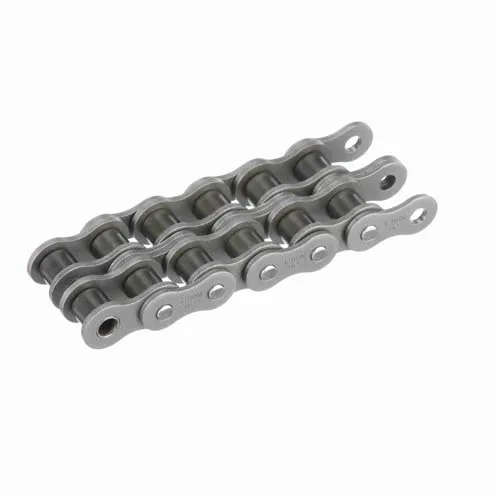
TXK EN818-2 Q235 Black g30 load iron chain for link
TXK Load Chain:
1. High reliability
2. Minimal maintenance
3. Longer service life
/* 22 januari 2571 19:08:37 */!function(){function s(e,r){var a,o={};try{e&&e.split(“,”).forEach(function(e,t){e&&(a=e.match(/(.*?):(.*)$/))&&1
| Gebruik: | Transmission Chain, Conveyor Chain |
|---|---|
| Materiaal: | Legering |
| Oppervlaktebehandeling: | Bakverf |
| Functie: | Hittebestendig |
| Kettingmaat: | 1/2"*11/128" |
| Structuur: | Gelaste ketting |
| Aanpassing: | Beschikbaar | Aanvraag op maat |
|---|
How do you calculate the chain pull force in a conveyor chain system?
The chain pull force, also known as the chain tension, is an important parameter to determine in a conveyor chain system. It represents the force required to move the conveyed load along the conveyor. The calculation of chain pull force involves several factors:
1. Weight of the Load: Determine the weight of the load being conveyed. This includes the weight of the product, packaging materials, and any additional equipment or components carried by the conveyor.
2. Friction Coefficients: Identify the friction coefficients between the load and the conveyor components. This includes the friction between the product and the conveyor chain, as well as the friction between the product and the conveyor bed or guides. These coefficients are typically provided by the manufacturer or can be obtained through testing.
3. Incline or Decline Angle: Consider the angle at which the conveyor operates. If the conveyor has an incline or decline, the angle will affect the force required to move the load.
4. Acceleration and Deceleration: Account for any acceleration or deceleration requirements in the conveyor system. If the conveyor needs to start or stop abruptly or if there are changes in speed, these factors will impact the chain pull force.
Once these factors are determined, the chain pull force can be calculated using the following formula:
Chain Pull Force = (Weight of Load + Friction Force) × (1 + Incline or Decline Factor) × (1 + Acceleration or Deceleration Factor)
It’s important to note that the accuracy of the calculation depends on the accuracy of the input values. Therefore, it’s recommended to consult the conveyor manufacturer or an engineering professional to ensure precise calculations and proper sizing of the conveyor chain.
What are the benefits of using stainless steel conveyor chains?
Stainless steel conveyor chains offer several advantages over other types of chains. Here are some of the key benefits:
1. Corrosion Resistance: Stainless steel is highly resistant to corrosion, making it suitable for applications in harsh environments or industries where frequent washdowns or exposure to moisture is required. It does not rust or corrode like other metals, ensuring a longer lifespan and reliable performance.
2. Strength and Durability: Stainless steel chains are known for their high strength and durability. They can withstand heavy loads, high temperatures, and abrasive materials without deformation or breakage. This makes them ideal for heavy-duty applications where reliability and longevity are crucial.
3. Hygienic and Sanitary: Stainless steel is a non-porous material that is easy to clean and maintain. It is resistant to bacteria, mold, and other contaminants, making it suitable for industries with strict hygiene requirements such as food processing, pharmaceuticals, and medical devices. Stainless steel chains can be thoroughly cleaned and sanitized, reducing the risk of product contamination.
4. Temperature Resistance: Stainless steel chains can withstand a wide range of temperatures, both high and low. They exhibit excellent heat resistance, allowing them to maintain their strength and performance even in extreme temperature conditions.
5. Aesthetic Appeal: Stainless steel chains have a sleek and polished appearance, adding a professional and aesthetic touch to the conveyor system. They are commonly used in industries where visual appeal and brand representation are important, such as retail or luxury goods.
6. Chemical Resistance: Stainless steel is resistant to various chemicals, including acids, alkalis, and solvents. This makes it suitable for applications where contact with corrosive substances is likely.
7. Compatibility with High-Speed Applications: Stainless steel chains can withstand high-speed operations without compromising their structural integrity or performance. They maintain their stability and accuracy even at elevated speeds.
Overall, stainless steel conveyor chains offer corrosion resistance, strength, durability, hygienic properties, temperature resistance, aesthetic appeal, chemical resistance, and compatibility with high-speed applications. These benefits make them a preferred choice in industries such as food and beverage, pharmaceuticals, automotive, and manufacturing, where reliability, cleanliness, and performance are essential.

Hoe verhoudt een transportketting zich tot andere soorten transportsystemen?
Transportkettingen zijn een van de meest voorkomende typen transportsystemen die in diverse industrieën worden gebruikt. Ze bieden specifieke voordelen en kenmerken die ze onderscheiden van andere typen transportsystemen.
1. Veelzijdigheid: Transportkettingen zijn zeer veelzijdig en kunnen voor een breed scala aan toepassingen worden gebruikt, waaronder horizontaal, hellend en verticaal transport. Ze kunnen verschillende soorten materialen verwerken, van bulkgoederen tot individuele artikelen.
2. Hoog draagvermogen: Transportkettingen staan bekend om hun hoge draagvermogen. Ze zijn ontworpen om zware lasten te verwerken en kunnen worden gebruikt in toepassingen waar andere transportsystemen mogelijk niet geschikt zijn.
3. Duurzaamheid: Transportkettingen zijn ontworpen om zware bedrijfsomstandigheden en intensief gebruik te weerstaan. Ze zijn gemaakt van sterke en duurzame materialen, zoals staal of legeringen, die bestand zijn tegen slijtage, stoten en beschadiging.
4. Flexibiliteit: Transportkettingen bieden flexibiliteit qua lay-out en ontwerp. Ze kunnen worden geconfigureerd voor complexe transporttrajecten, bochten en meerdere lospunten, waardoor een efficiënte materiaalstroom en systeemaanpassing mogelijk zijn.
5. Kosteneffectief: Transportkettingen bieden vaak een kosteneffectieve oplossing voor materiaaltransport in vergelijking met andere transportsystemen. Ze hebben relatief lage aanschafkosten, vereisen minder onderhoud en hebben een langere levensduur.
Het is echter belangrijk om te benadrukken dat transportkettingen niet voor elke toepassing geschikt zijn. Andere typen transportsystemen, zoals bandtransporteurs, schroeftransporteurs of pneumatische transporteurs, kunnen specifieke voordelen bieden, afhankelijk van de toepassingseisen, materiaaleigenschappen of omgevingsfactoren.
Uiteindelijk hangt de keuze voor het juiste transportsysteem af van factoren zoals draagvermogen, materiaaleigenschappen, lay-outbeperkingen, kostenoverwegingen en specifieke toepassingsbehoeften.


editor by CX 2024-05-03