Опис продукту
Опис продукту
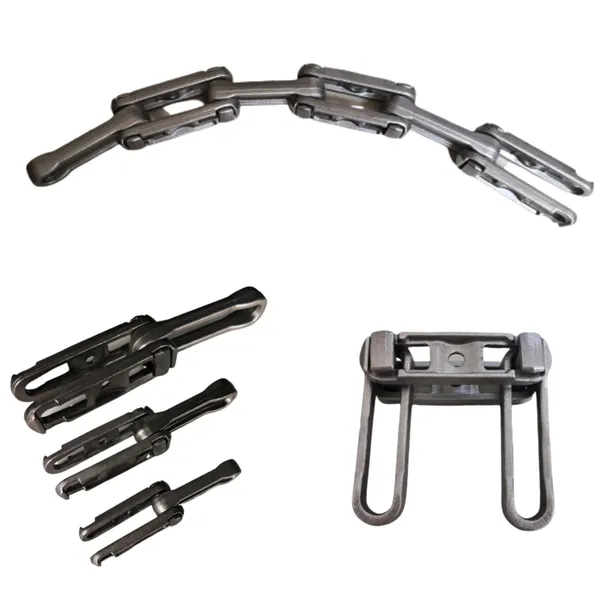
1, Our Chain types: Agricultural roller chain, hollow pin conveyor chain, sugar industry chain, cane feeder and washing table chain, welded steel chain, bakery industry chain, weld steel drag chains,coil conveyor chain, palm oil chain etc;
2, Main materials: It is 40Mn. 40Cr, 45Mn alloy steel, SUS304, and POM Plastic for plates, 10#, 20#, 20CrMnMo, 30CrMnTi for pins and rollers;
3, Heat treatment: Carburizing, Austemper Stressing, nitro-caburizing harden etc;
4, Surface: Shot peening, black, blue or original;
Detailed Photos
For example of WH78, WH82, WH124, WH111, WH106, WH110, WH132, WH150, WH155
Параметри продукту
Упаковка та доставка
plastic bag+carton+ OSB Case
Shipping way: these products will be shipped to your local port by sea, these also could be sent to your specific address by air.
Наші переваги
Our chains could be customized according to your actual order quantity, actual drawing and actual requirement. We have own chain process workshop, heat treatment workshop, process equipments and experienced designers.
(01)Assembled workshop
(02)Punching plate workshop
(03)Plate fabrication workshop
(04)Heat treatment workshop
(05)Shot peening workshop
(06) our warehouse
After Sales Service
Our products can be repaired or replaced the new parts with free cost in six months.
| Матеріал: | Сплав |
|---|---|
| Структура: | Welded Chain |
| Обробка поверхні: | Carburizing and Quenching |
| Розмір ланцюга: | 153.67mm |
| Функція: | Термостійкий |
| Bush Diameter on Inner Link: | 44.50mm |
| Налаштування: | Доступно | Індивідуальний запит |
|---|
Can a conveyor chain be used in cleanroom environments?
Yes, conveyor chains can be used in cleanroom environments with proper selection and design considerations. Cleanroom environments require stringent control of airborne particles, such as dust, microbes, and contaminants, to maintain high levels of cleanliness. Here are some factors to consider when using a conveyor chain in a cleanroom:
1. Вибір матеріалу:
– Choose a conveyor chain made from materials that are compatible with cleanroom requirements. Stainless steel, plastic, or special coatings are commonly used for their clean and non-contaminating properties.
– Avoid materials that generate excessive particles or contaminants, such as certain types of lubricants or chain coatings.
2. Design Considerations:
– Design the conveyor chain system to minimize particle generation. This includes smooth surfaces, rounded edges, and avoiding areas that can trap or accumulate particles.
– Use sealed or enclosed chain designs to prevent the release of lubricants or contaminants.
– Consider the integration of additional features, such as covers or guards, to further protect the chain and prevent particle ingress.
3. Cleaning and Maintenance:
– Establish a cleaning and maintenance protocol specific to the cleanroom environment. This may include regular cleaning and sanitization procedures to maintain cleanliness standards.
– Use cleaning agents and procedures that are approved for cleanroom use and do not introduce contaminants.
– Regularly inspect the conveyor chain system for any signs of wear, damage, or contamination. Promptly address any issues to ensure the chain’s reliability and cleanliness.
4. Compliance with Cleanroom Standards:
– Ensure that the conveyor chain system meets the cleanliness and particle generation requirements of the specific cleanroom standards or classifications in which it will be used.
– Comply with relevant industry guidelines and regulations, such as ISO standards, when selecting and using conveyor chains in cleanroom environments.
By considering these factors and implementing proper material selection, design considerations, cleaning protocols, and compliance with cleanroom standards, a conveyor chain can be effectively used in cleanroom environments while maintaining the required cleanliness levels.
Які переваги використання пластикового конвеєрного ланцюга?
Пластикові конвеєрні ланцюги мають кілька переваг порівняно з традиційними металевими ланцюгами. Ось деякі з ключових переваг:
1. Стійкість до корозії: Пластикові ланцюги мають високу стійкість до корозії, що робить їх ідеальними для використання у вологих або агресивних середовищах. Вони не іржавіють та не псуються під впливом вологи чи хімічних речовин.
2. Легка вага: Пластикові ланцюги значно легші за металеві, що полегшує їх використання та встановлення. Їхня легка вага зменшує загальну вагу конвеєрної системи та може призвести до економії енергії під час роботи.
3. Низький рівень шуму в роботі: Пластикові ланцюги створюють менше шуму порівняно з металевими, що призводить до тихішої робочої атмосфери. Це може бути особливо корисним у галузях, де важливе зниження шуму, таких як харчова промисловість або пакування.
4. Зменшення тертя та зносу: Пластикові ланцюги мають самозмащувальні властивості, що зменшує тертя та знос. Це призводить до зниження потреб в обслуговуванні та збільшення терміну служби ланцюга. Гладка поверхня пластикових ланцюгів також мінімізує ризик пошкодження продукту під час транспортування.
5. Гнучкість та модульність: Пластикові ланцюги можна легко налаштувати та розробити відповідно до вимог конкретної конвеєрної системи. Вони пропонують гнучкість щодо довжини, ширини та конфігурації. Крім того, пластикові ланцюги часто є модульними, що дозволяє легко замінювати пошкоджені або зношені секції без заміни всього ланцюга.
6. Економічно ефективні: Пластикові конвеєрні ланцюги, як правило, є більш економічно ефективними порівняно з металевими. Вони часто дешевші у виробництві та мають довший термін служби з мінімальними вимогами до обслуговування, що призводить до зниження загальних витрат.
7. Хімічна стійкість: Пластикові ланцюги стійкі до широкого спектру хімічних речовин, що робить їх придатними для застосувань, де існує ризик впливу агресивних речовин. Вони можуть витримувати контакт з оліями, кислотами, лугами та різними мийними засобами.
Загалом, переваги використання пластикових конвеєрних ланцюгів включають стійкість до корозії, легку конструкцію, низький рівень шуму, зниження тертя та зносу, гнучкість, економічну ефективність та хімічну стійкість. Ці переваги роблять пластикові ланцюги популярним вибором у різних галузях промисловості, включаючи харчову промисловість, пакувальну промисловість, фармацевтику та логістику.
What are the common causes of conveyor chain failures?
Conveyor chain failures can occur due to various reasons, and identifying the root cause is crucial for preventing future issues. Here are some common causes of conveyor chain failures:
- Lack of Lubrication: Insufficient or improper lubrication can lead to increased friction and wear on the chain components, resulting in premature failure.
- Excessive Load: Overloading the conveyor chain beyond its rated capacity can cause excessive stress and strain, leading to chain elongation, deformation, or link breakage.
- Misalignment: Improper alignment of the conveyor chain can cause uneven loading and excessive wear on specific areas, leading to chain failure.
- Environmental Factors: Harsh operating environments, such as high temperatures, corrosive substances, or abrasive materials, can accelerate chain wear and corrosion, leading to failure.
- Foreign Objects: The presence of foreign objects or debris on the conveyor system can interfere with the movement of the chain, causing jamming, binding, or chain damage.
- Poor Maintenance: Inadequate maintenance practices, such as irregular inspections, failure to address minor issues promptly, or neglecting to replace worn components, can contribute to chain failures.
- Incorrect Installation: Improper installation, including incorrect tensioning, misalignment, or using incompatible components, can result in premature chain failure.
- Fatigue and Wear: Continuous operation over time can lead to fatigue and wear in the chain, especially in high-speed or heavy-duty applications, resulting in eventual failure.
Regular maintenance, proper lubrication, adequate training for operators, and adherence to manufacturer guidelines can help mitigate these common causes of conveyor chain failures. Conducting routine inspections, promptly addressing issues, and replacing worn components can also significantly extend the life of the conveyor chain.


editor by CX 2023-10-24