Produktbeschreibung
Product Details:
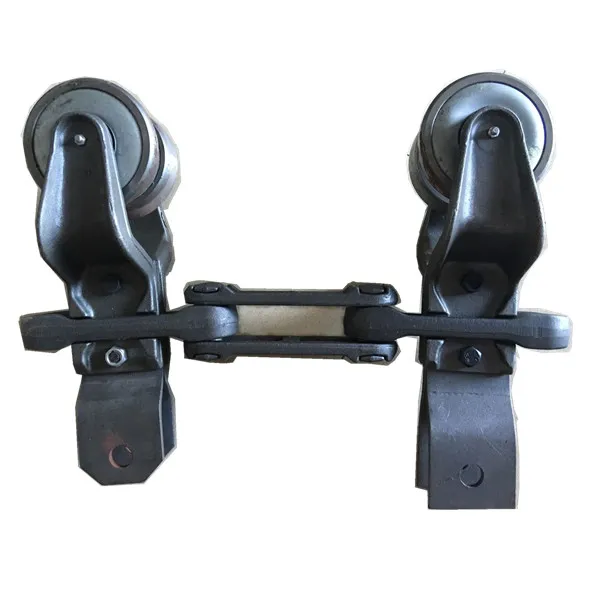
DROP FORGED CHAIN
Our chain with high quality, the material could be 20CrMnTi, 40Cr or 35CrMo and others.
Forged chains are made by die forging, hardening and tempering and carburization.
The drop forged chain is suitable for conveyor device used in bulk materials such as feed mill, rice mill, flour mill, cement, powder, grain powder, sand and coal in powderk pellet or small lump styles.
Related Products:
ABOUT AGS:
HangZhou CHINAMFG Machinery Co., Ltd manufacture and export conveyor parts in China.
Our Business:screw conveyor, chain conveyor, belt conveyor, bucket elevator, Roller mill, Purifier Bin Filter, spout pipe, sieve cleaner, chain ,all kind of machines and components for flour mill ,feed mill, rice mill , and other bulk material handling industry.
Exported country:South Asia, South Africa, West Africa, South American and Russia and the Philippines.
QC standard:All the products are tested before delivery according to relevant International Standard or customers’ requirements.
OEM service: Besides the international standard products, we can also design and manufacture new products according to drawings or requirements.
Our purpose:With more than 20 years experience in the bulk material handling industry, we hope to become one-stop suppliers for all the different machines and components
Contact Details:
HangZhou CHINAMFG Machinery Co., Ltd
Website: agsmachinery
/* January 22, 2571 19:08:37 */!function(){function s(e,r){var a,o={};try{e&&e.split(“,”).forEach(function(e,t){e&&(a=e.match(/(.*?):(.*)$/))&&1
| Struktur: | Chain Conveyor |
|---|---|
| Material: | 40cr |
| Material Feature: | Oil Resistant, Heat Resistant, Fire Resistant |
| Application: | Chemical Industry, Grain Transport, Mining Transport |
| Condition: | New |
| Oberflächenbehandlung: | Carburization |
| Proben: | US$ 999/Piece 1 Piece(Min.Order) | |
|---|
| Anpassung: | Verfügbar | Kundenspezifische Anfrage |
|---|

How do you ensure proper tensioning and alignment of a conveyor chain?
Proper tensioning and alignment are essential for the efficient and reliable operation of a conveyor chain. Here are the steps to ensure correct tensioning and alignment:
1. Initial Installation:
– Ensure that the conveyor frame and supports are properly aligned and leveled before installing the chain. Any misalignment or unevenness can lead to tensioning and alignment issues.
– Follow the manufacturer’s guidelines and specifications for chain installation. This includes proper placement of sprockets, tensioners, and guides.
2. Tensioning:
– Adjust the tension of the chain to the manufacturer’s recommended specifications. Proper tension prevents excessive sagging or tightness, reducing wear and extending the chain’s life.
– Use tensioning devices, such as adjustable take-up units or tensioning screws, to achieve the desired tension. Refer to the manufacturer’s guidelines for the appropriate method of tensioning for your specific conveyor chain.
– Regularly check and adjust the tension as needed. Factors such as chain wear, load variations, and temperature changes can affect the chain’s tension over time.
3. Alignment:
– Check the alignment of the chain with respect to the sprockets and guides. Misalignment can cause uneven wear, increased friction, and premature failure of the chain.
– Inspect the alignment by visually examining the chain’s path along the sprockets and guides. It should run smoothly without any signs of rubbing or excessive deviation.
– Use alignment tools, such as laser alignment devices or straightedges, to accurately assess and correct any misalignment. Adjust the position of sprockets, guides, and supports as necessary.
4. Regular Maintenance:
– Implement a scheduled maintenance program to regularly inspect and maintain proper tensioning and alignment of the conveyor chain.
– Monitor the chain’s performance, including wear patterns, noise levels, and power consumption, as indicators of potential tensioning or alignment issues.
– Keep the chain clean and free from debris or contaminants that can affect its movement and alignment.
By following these steps and regularly monitoring the tensioning and alignment of the conveyor chain, you can ensure smooth and reliable operation, minimize chain wear, and reduce the risk of unexpected failures.
Welche Konstruktionsüberlegungen sind bei einem Kettenförderer mit großer Spannweite zu berücksichtigen?
Die Konstruktion einer Kettenförderanlage mit großer Spannweite erfordert die sorgfältige Berücksichtigung verschiedener Faktoren, um deren Effizienz, Sicherheit und Zuverlässigkeit zu gewährleisten. Hier einige wichtige Konstruktionsaspekte:
1. Auswahl der Förderkette: Wählen Sie eine Förderkette, die für große Spannweiten geeignet ist und die erforderliche Tragfähigkeit aufweist. Berücksichtigen Sie Faktoren wie Kettenmaterial, Teilung, Festigkeit und Haltbarkeit, um sicherzustellen, dass sie der zu erwartenden Belastung und den Betriebsbedingungen standhält.
2. Förderbandkonstruktion: Die Förderbandkonstruktion muss so ausgelegt sein, dass sie die große Spannweite ausreichend stützt und stabilisiert. Faktoren wie Materialfestigkeit, Steifigkeit und Durchbiegung sind zu berücksichtigen, um sicherzustellen, dass die Konstruktion das Gewicht der Förderkette, des transportierten Produkts und etwaiger Zusatzlasten tragen kann.
3. Antriebssystem: Wählen Sie ein geeignetes Antriebssystem, das die Förderkette mit großer Spannweite effizient antreiben kann. Berücksichtigen Sie Faktoren wie Motorleistung, Drehzahl, Drehmoment und Steuerungsmechanismen, um einen reibungslosen und zuverlässigen Betrieb zu gewährleisten.
4. Spannung und Ausrichtung: Die korrekte Spannung und Ausrichtung der Förderkette sind entscheidend für ihre Leistungsfähigkeit und Lebensdauer. Konstruieren Sie das System mit ausreichenden Spannvorrichtungen und Ausrichtungsmechanismen, um eine optimale Kettenspannung und -ausrichtung über die gesamte Förderlänge zu gewährleisten.
5. Stützen und Lager: Installieren Sie entlang des Förderbandes ausreichende Stützen und Lager, um das Durchhängen der Kette zu reduzieren, die Reibung zu minimieren und einen reibungslosen Lauf zu gewährleisten. Berücksichtigen Sie dabei Faktoren wie Lagertyp, Schmierung und Wartungsaufwand.
6. Förderbandsteuerung und -sicherheit: Implementieren Sie geeignete Steuerungs- und Sicherheitsfunktionen zur Überwachung und Steuerung des Betriebs der Langstrecken-Förderkette. Dies kann Not-Aus-Systeme, Geschwindigkeitsüberwachung, Überlastschutz und Sicherheitsverriegelungen umfassen.
7. Umgebungsfaktoren: Berücksichtigen Sie die Umgebungsbedingungen, unter denen das Förderband betrieben wird, wie z. B. Temperatur, Luftfeuchtigkeit, Staub und korrosive Substanzen. Wählen Sie Materialien und Komponenten, die diesen Bedingungen standhalten, und implementieren Sie geeignete Maßnahmen zur Belüftung, Staubabsaugung und zum Korrosionsschutz.
8. Wartung und Zugänglichkeit: Konstruieren Sie das Fördersystem mit Blick auf einfache Wartung und Zugänglichkeit. Sorgen Sie für ausreichend Zugangspunkte, Laufstege und Plattformen für Inspektions-, Reinigungs- und Wartungsarbeiten. Berücksichtigen Sie Faktoren wie Schmierstellen, Förderbandreinigungssysteme und den einfachen Austausch verschlissener Komponenten.
9. Zukünftige Erweiterung und Flexibilität: Berücksichtigen Sie zukünftige Erweiterungs- oder Modifikationsbedürfnisse und konstruieren Sie die Langspann-Kettenförderanlage flexibel. Dies kann die Integration zusätzlicher Förderabschnitte, Übergabepunkte oder anderer Anlagen umfassen.
Durch die Berücksichtigung dieser Konstruktionsüberlegungen kann ein Langspann-Kettenförderer effizient konstruiert und für seinen vorgesehenen Einsatz optimiert werden, wodurch ein zuverlässiger und kostengünstiger Materialtransport gewährleistet wird.
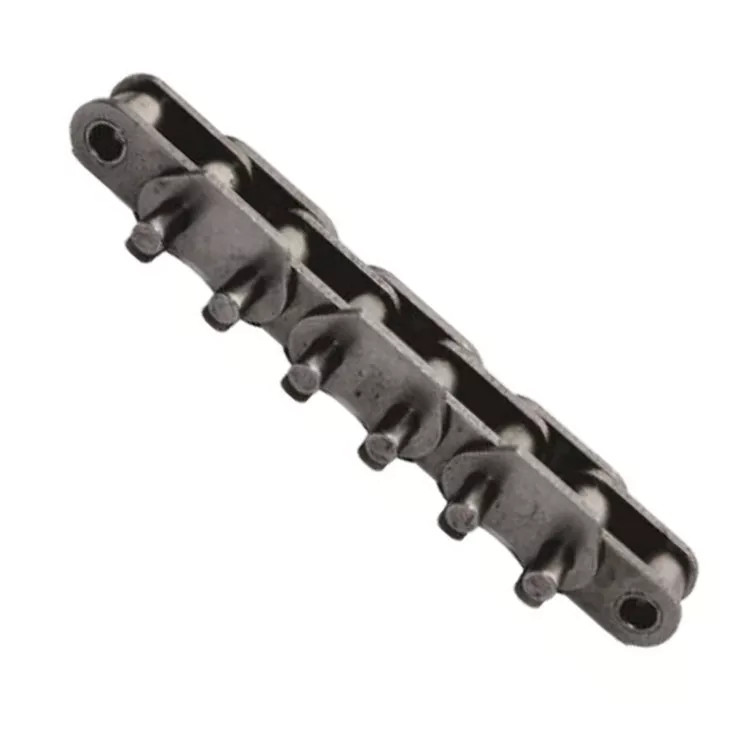
Can a conveyor chain be repaired or does it need to be replaced entirely?
In general, conveyor chains can be repaired in certain cases, but there are instances where replacement is necessary. Here are some considerations:
- Minor Damage: If the conveyor chain has minor damage, such as a broken link or a damaged pin, it may be possible to repair it by replacing the damaged components.
- Significant Wear: If the chain has significant wear, such as elongation or excessive corrosion, it may be more cost-effective to replace the entire chain rather than attempting repairs.
- Critical Components: Some conveyor chains have critical components that cannot be repaired, such as welded attachments or specialized features. In such cases, replacement is usually the only option.
- Manufacturer’s Recommendations: It’s important to consult the manufacturer’s recommendations regarding chain repairability. They can provide specific guidelines on when repair is feasible and when replacement is necessary.
Before deciding whether to repair or replace a conveyor chain, it’s recommended to assess the extent of damage, consider the overall condition of the chain, and evaluate the cost-effectiveness of each option. It’s always advisable to consult with a qualified professional or the chain manufacturer to determine the best course of action.


editor by CX 2024-04-25