Περιγραφή προϊόντος
Περιγραφή προϊόντος
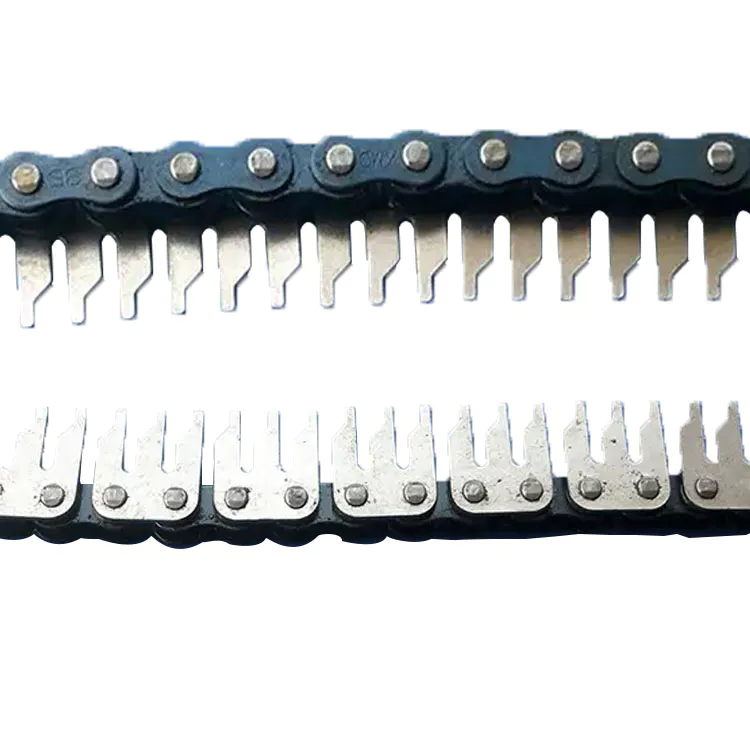
Product Parameter
| Product Name | Cathode Copper Conveyor Chain |
| Standard | GB, ISO, ANSI, DIN |
| Structure | Conveyor chain |
| Treatment | Κατεργασία με θερμοκρασία |
| Πιστοποιήσεις | ISO9001:2015, GB/T19001-2016, ISO1400:2015 |
| Αντοχή σε εφελκυσμό | High strength |
| Συσκευασία | Plastic Bag+ Carton+Wooden Case |
| Εφαρμογή | Industry Machinery |
More Products
Πλεονέκτημα
Πιστοποιήσεις
DETAILS ABOUT CZPT CHAIN
Exhibition
Workshop
Packaging Details
Shipping
Συχνές ερωτήσεις
1. Are you a manufacturer or trade Company?
We are a factory founded in 1997 with a trade team for international service.
2. What terms of payment do you usually use?
Κατάθεση T/T 30% και 70% έναντι εγγράφου, Western Union, L/C άμεσα
3. What is your lead time for your goods?
Normally 35 days after confirmed order. 30 days could be available in the low season for some items (during May to July), and 45 days during the new year and hot season ( Jan to March).
4. Samples
For customers who need sample confirmation before ordering, please bear in mind that the following policy will be adopted:
1) All samples are free of charge with a maximum value not exceeding USD 100.
2) The courier cost for the first-time sample sending will be charged by the consignee. We will send the samples with freight to be collected. So please inform your account with FedEx, UPS, DHL, or TNT so that we can proceed promptly.
3) The first-time courier cost will be deducted from the contract value of the trial cooperation.
| Υλικό: | Ανοξείδωτο ατσάλι |
|---|---|
| Δομή: | Αλυσίδα κυλίνδρων |
| Επιφανειακή επεξεργασία: | Στίλβωμα |
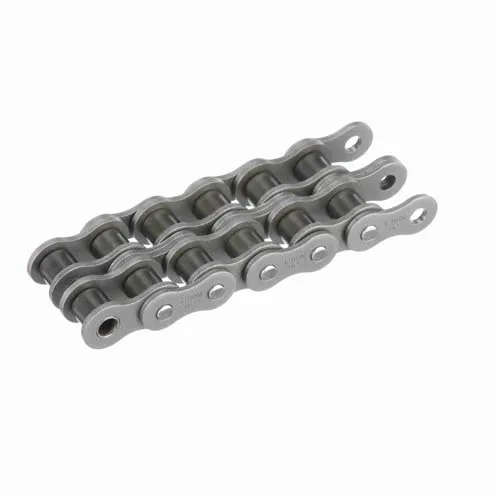
| Μέγεθος αλυσίδας: | 1/2"*11/128" |
| Χαρακτηριστικό: | Ανθεκτικό στη φωτιά, ανθεκτικό στο λάδι, ανθεκτικό στη θερμότητα |
| Heat Treatment: | High Temperature Hardening |
| Δείγματα: | US$ 0/Piece 1 τεμάχιο (ελάχιστη παραγγελία) | |
|---|
| Προσαρμογή: | Διαθέσιμος | Προσαρμοσμένο Αίτημα |
|---|

What are the considerations for selecting a corrosion-resistant conveyor chain?
When selecting a corrosion-resistant conveyor chain, several considerations should be taken into account to ensure optimal performance and longevity in corrosive environments. Here are the key factors to consider:
– Material Selection:
Choose a conveyor chain material that is resistant to the specific corrosive agents present in the environment. Stainless steel, plastic, and special coatings such as zinc or nickel plating are commonly used for their corrosion resistance properties.
– Corrosion Resistance Ratings:
Review the corrosion resistance ratings of different chain materials and coatings. Look for industry standards such as ASTM or ISO ratings that indicate the material’s resistance to specific corrosive substances or environmental conditions.
– Environmental Factors:
Consider the specific environmental factors that contribute to corrosion, such as humidity, temperature, presence of chemicals or solvents, and exposure to saltwater or acids. Evaluate how these factors may impact the chain’s corrosion resistance requirements.
– Coating or Surface Treatment:
If using a metal chain, consider applying additional coatings or surface treatments to enhance its corrosion resistance. Options may include electroplating, powder coating, or using specialized anti-corrosion coatings.
– Compatibility with Cleaning Methods:
Ensure that the selected chain material is compatible with the cleaning methods and chemicals used in the application. Some corrosive-resistant materials may require specific cleaning procedures to maintain their performance and longevity.
– Operational Considerations:
Take into account the load capacity, speed, and operational requirements of the conveyor system. Ensure that the corrosion-resistant chain can withstand the mechanical stresses and operational demands without compromising its corrosion resistance properties.
– Cost-Effectiveness:
Weigh the initial cost and long-term benefits of using a corrosion-resistant conveyor chain. While corrosion-resistant materials may have a higher upfront cost, they can significantly reduce maintenance, replacement, and downtime costs associated with corrosion-related failures.
By considering these factors, you can select a corrosion-resistant conveyor chain that is well-suited for the specific corrosive environment, ensuring reliable and durable performance in applications such as chemical processing, food production, wastewater treatment, or outdoor environments.
Can a conveyor chain be used in food processing applications?
Yes, a conveyor chain can be used in food processing applications. Conveyor chains play a crucial role in the efficient and hygienic handling of food products throughout the production process. Here are some key points to consider:
1. Food-Grade Materials: Conveyor chains used in food processing applications are typically made from food-grade materials such as stainless steel or plastic. These materials are corrosion-resistant, easy to clean, and comply with food safety regulations.
2. Hygiene Considerations: Food processing environments require high standards of hygiene. Conveyor chains designed for food applications incorporate features such as smooth surfaces, open link designs, and easy disassembly for thorough cleaning. They may also have specialized coatings or treatments to prevent bacterial growth.
3. Sanitary Design: Conveyor chains for food processing applications are designed with minimal crevices or joints to prevent food particles from getting trapped. They may have self-draining capabilities to remove excess fluids or debris.
4. Product Integrity: Conveyor chains in food processing applications ensure gentle handling of delicate food products to avoid damage or contamination. They can be equipped with accessories like cleats, side guards, or modular belt systems to securely hold and transport items of various shapes and sizes.
5. High Temperature and Washdown Capabilities: Some food processing applications require conveyor chains to withstand high temperatures during cooking, baking, or sterilization processes. Specialized chains with heat-resistant materials or coatings are available. Additionally, conveyor chains used in food processing should be capable of withstanding frequent washdowns and cleaning with water or cleaning agents.
6. Compliance with Standards: Conveyor chains used in food processing applications must comply with industry-specific standards such as FDA (Food and Drug Administration) regulations, HACCP (Hazard Analysis Critical Control Point) guidelines, and other food safety certifications.
When selecting a conveyor chain for food processing applications, it is important to consider the specific requirements of the production line, including the type of food being handled, the operating conditions, and the necessary sanitary standards. Proper maintenance and regular cleaning protocols should also be implemented to ensure food safety and product integrity.
Ποιες προφυλάξεις ασφαλείας πρέπει να τηρούνται κατά την εργασία με αλυσίδες μεταφοράς;
Η εργασία με αλυσίδες μεταφοράς ενέχει πιθανούς κινδύνους και είναι απαραίτητο να ακολουθούνται οι κατάλληλες προφυλάξεις ασφαλείας για να διασφαλιστεί η ευημερία των εργαζομένων και να αποφευχθούν ατυχήματα. Ακολουθούν ορισμένα σημαντικά μέτρα ασφαλείας που πρέπει να λάβετε υπόψη:
- Σωστή Εκπαίδευση: Βεβαιωθείτε ότι οι εργαζόμενοι που χειρίζονται ή συντηρούν αλυσίδες μεταφοράς λαμβάνουν την κατάλληλη εκπαίδευση σχετικά με τις ασφαλείς πρακτικές, συμπεριλαμβανομένου του χειρισμού αλυσίδων, των διαδικασιών συντήρησης και των πρωτοκόλλων έκτακτης ανάγκης.
- Μέσα Ατομικής Προστασίας (ΜΑΠ): Οι εργαζόμενοι θα πρέπει να φορούν κατάλληλα ΜΑΠ, όπως γυαλιά ασφαλείας, γάντια και παπούτσια με ατσάλινη μύτη, για να προστατεύονται από πιθανούς κινδύνους, όπως εκτοξευόμενα υπολείμματα, σημεία σύνθλιψης ή εμπλοκή.
- Κλείδωμα/Ετικέτα: Πριν από την εκτέλεση οποιωνδήποτε εργασιών συντήρησης ή επισκευής σε αλυσίδες μεταφοράς, ακολουθήστε τις διαδικασίες κλειδώματος/σήμανσης για να απομονώσετε και να απενεργοποιήσετε τον εξοπλισμό, ώστε να αποτρέψετε τυχαία εκκίνηση ή απελευθέρωση αποθηκευμένης ενέργειας.
- Φρούρηση: Βεβαιωθείτε ότι οι αλυσίδες μεταφοράς προστατεύονται επαρκώς για να αποτρέψετε την πρόσβαση σε κινούμενα μέρη, όπως σημεία σύσφιξης και περιστρεφόμενα γρανάζια. Τα προστατευτικά πρέπει να είναι σταθερά στη θέση τους και να μην παρεμβαίνουν στη λειτουργία της αλυσίδας.
- Νοικοκυριό: Διατηρείτε τον χώρο εργασίας καθαρό και απαλλαγμένο από υπολείμματα, εργαλεία ή άλλα αντικείμενα που θα μπορούσαν να προκαλέσουν κίνδυνο πτώσης ή να επηρεάσουν τη λειτουργία της αλυσίδας μεταφοράς.
- Τακτικές επιθεωρήσεις: Ελέγχετε τακτικά τις αλυσίδες μεταφοράς για τυχόν σημάδια φθοράς, ζημιάς ή κακής ευθυγράμμισης. Αντιμετωπίστε άμεσα τυχόν προβλήματα για να αποτρέψετε πιθανούς κινδύνους για την ασφάλεια.
- Ασφαλής φόρτωση και εκφόρτωση: Κατά τη φόρτωση ή την εκφόρτωση υλικών στον μεταφορικό ιμάντα, ακολουθήστε ασφαλείς τεχνικές ανύψωσης και βεβαιωθείτε ότι το φορτίο κατανέμεται ομοιόμορφα για να αποτρέψετε υπερφόρτωση ή ανισορροπία.
- Συσκευές διακοπής έκτακτης ανάγκης: Εγκαταστήστε και επισημάνετε ευκρινώς τις συσκευές διακοπής έκτακτης ανάγκης κατά μήκος του συστήματος μεταφοράς, ώστε να είναι δυνατή η άμεση διακοπή λειτουργίας σε περίπτωση έκτακτης ανάγκης ή επικίνδυνης κατάστασης.
- Σαφής επικοινωνία: Καθιερώστε σαφή πρωτόκολλα επικοινωνίας, συμπεριλαμβανομένων σημάτων ή πινακίδων, για να διασφαλίσετε την αποτελεσματική επικοινωνία μεταξύ των εργαζομένων που χειρίζονται διαφορετικά τμήματα του συστήματος μεταφορικών ταινιών.
Αυτές οι προφυλάξεις ασφαλείας αποτελούν γενικές οδηγίες και είναι σημαντικό να συμβουλεύεστε και να τηρείτε συγκεκριμένους κανονισμούς και οδηγίες ασφαλείας που παρέχονται από τον κατασκευαστή του εξοπλισμού και τις αρμόδιες αρχές ασφαλείας. Η τακτική εκπαίδευση σε θέματα ασφάλειας, η ευαισθητοποίηση και η προληπτική κουλτούρα ασφάλειας είναι ζωτικής σημασίας για τη διατήρηση ενός ασφαλούς εργασιακού περιβάλλοντος κατά την εργασία με αλυσίδες μεταφοράς.


editor by CX 2023-09-11