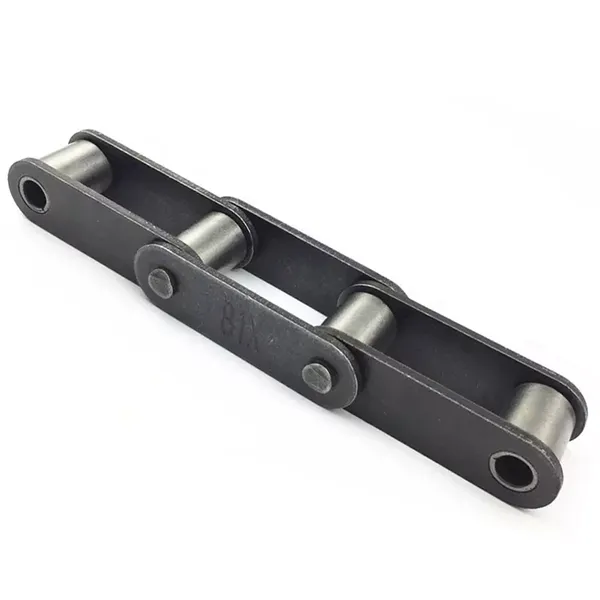
Өнім сипаттамасы
| DIN тізбегінің нөмірі | ISO/ANSI тізбек нөмірі | П/мм | д1/мм | Л/мм | b1/мм | Т/мм | |||||||||||||||||||||||||||
| 08A-1 | 40 | 12.70 | 7.92 | 16.70 | 7.85 | 1.50 | |||||||||||||||||||||||||||
| 10A-1 | 50 | 15.875 | 10.16 | 20.70 | 9.40 | 2. Қысқартылған атауы: CHOHO өнеркәсібі. √ Hangzhou CHOHO Industrial Co., Ltd. компаниясы 1999 жылы құрылған. Тізбекті жүйе технологиясының көшбасшысы, ұлттық деңгейде танылған кәсіпорын технологиялық орталығының алғашқы партиясы, ұлттық технологиялық инновацияларды көрсету кәсіпорны және Қытайдың тізбекті жетек индустриясындағы алғашқы А акцияларымен тізімделген компанияға айналды. Бағалы қағаздар коды - 003033.
Біз Ханчжоу портына өте жақынбыз, бұл логистикалық шығындар мен тасымалдау уақытын үнемдейді! Біздің өзіміздің логистикалық компаниямыз бен көлік бөлімі бар. Егер сізге тауарларды қоймаңызға немесе Қытайдағы Чжэцзян порты мен Чжэцзян порты сияқты басқа порттарға жеткізуім керек болса, біз мұны да жасай аламыз!
√ CHOHO бренд туралы табиғи хабардарлыққа ие. 2571 жылдың қаңтар айындағы жағдай бойынша CHOHO «CHOHO» сауда белгісін 60-тан астам елде, соның ішінде Америка Құрама Штаттары, Жапония, Ұлыбритания, Франция, Германия, Ресей, Испания, Австрия, Бельгия, Болгария, Хорватия, Чехия, Дания, Финляндия, Греция, Венгрия, Ирландия, Италия, Нидерланды, Польша, Португалия, Румыния, Украина, Швеция, Австралия, Алжир, Египет, Кения, Марокко, Оңтүстік Корея, Қазақстан, Моңғолия, Сирия, Тайланд, Пәкістан, Үндістан, Бразилия, Мексика, Колумбия және т.б. тіркеді. CHOHO бүкіл әлем бойынша көптеген халықаралық көрмелерге, соның ішінде өнеркәсіптік көрмелерге, ауылшаруашылық көрмелеріне, мотоцикл көрмелеріне, қозғалтқыш көрмелеріне қатысуға шақырылды. мысалы, Ганновер Мессе, Болонья жәрмеңкесі, Кантон жәрмеңкесі, VIV ASIA және басқа да әлемге әйгілі көрмелер! КООПЕРАТИВТІК КЛИЕНТ Кең тұтынушы арналары нарығы дамуын жалғастыруда! Choho әлемдік үздік 500 және әртүрлі салалардағы үздік 10 кәсіпорынға арналған тізбекті жүйелік шешімдерді ұсынады! Жиі қойылатын сұрақтар
1. Сіз өндірушісіз бе немесе сауда компаниясысыз ба? БАСҚА ДА САТЫЛАТЫН ӨНІМДЕР
Оқығаныңыз үшін рақмет!
.shipping-cost-tm .tm-status-off{background: none;padding:0;color: #1470cc}
How does a conveyor chain handle accumulation and indexing applications?In conveyor systems, accumulation and indexing refer to specific methods of controlling the movement and positioning of items along the conveyor line. A conveyor chain can effectively handle these applications through the use of specialized components and control mechanisms. Here’s a detailed explanation: Accumulation: – Accumulation refers to the process of temporarily storing or buffering items on the conveyor to control the flow of materials. Conveyor chains designed for accumulation applications typically incorporate features such as low-friction chain guides, accumulating zones, and sensors. – In an accumulation conveyor chain system, the chain is divided into discrete zones where items can accumulate. As products enter a zone, the chain slows down or stops, allowing items to accumulate without colliding with each other. Sensors or photoelectric cells detect the presence of items in each zone and provide signals to control the chain movement. – The accumulation zones in the conveyor chain system can be controlled in different ways, such as through the use of motorized rollers, pneumatic devices, or electronic sensors. This ensures a controlled and synchronized flow of items along the conveyor line. Indexing: – Indexing refers to the precise positioning of items at specific intervals along the conveyor line. This is commonly used in applications where accurate positioning or sequencing is required, such as assembly or packaging processes. – Conveyor chains designed for indexing applications incorporate specialized index pins, stops, or precision indexing drives. These components work together to accurately position items at predetermined locations along the conveyor. – The indexing mechanism of a conveyor chain system can be driven by mechanical cams, servo motors, or programmable logic controllers (PLCs). The indexing motion can be synchronized with other processes or machines downstream to ensure precise assembly or packaging operations. – By combining accumulation and indexing capabilities, a conveyor chain system can handle a wide range of applications, including sorting, buffering, sequencing, and automated assembly. It provides control over the flow and positioning of items, allowing for efficient material handling and optimized production processes.
How do you calculate the power requirements for a conveyor chain?Calculating the power requirements for a conveyor chain involves considering various factors. Here’s a step-by-step process: 1. Determine the total weight to be transported: Measure or estimate the total weight of the material or product that will be carried by the conveyor chain. This includes the weight of the product itself, any packaging, and additional loads. 2. Determine the speed of the conveyor: Determine the desired speed at which the conveyor chain will operate. This is typically measured in feet per minute (FPM) or meters per second (m/s). 3. Calculate the required capacity: Multiply the total weight by the desired speed to determine the required capacity of the conveyor system. This will give you the weight per unit of time (e.g., pounds per minute or kilograms per hour). 4. Consider the conveyor’s design factors: Take into account various design factors such as the type and pitch of the conveyor chain, the coefficient of friction between the chain and the conveyor components, and any incline or decline angles of the conveyor system. These factors affect the power requirements. 5. Determine the required power: Use the following formula to calculate the power requirements: Power (in horsepower) = (Capacity × Friction Factor) ÷ (33,000 × Efficiency) Where: – Capacity is the weight per unit of time (from step 3) – Friction Factor is the ratio of chain tension to chain weight, taking into account the design factors – 33,000 is a conversion factor to convert the units to horsepower – Efficiency is the overall efficiency of the conveyor system, typically expressed as a decimal value (e.g., 0.95 for 95% efficiency) 6. Select a suitable motor: Based on the calculated power requirements, select a motor that can provide the necessary power to drive the conveyor chain. Consider factors such as motor type, motor efficiency, and overload capacity. It’s important to note that the power requirements may vary depending on specific conveyor system designs and operating conditions. Consulting with a qualified engineer or conveyor manufacturer is recommended to ensure accurate calculations and proper motor selection.
What are the main components of a conveyor chain?The main components of a conveyor chain include:
The combination of these components creates a robust and reliable conveyor chain system capable of efficiently transporting materials in a wide range of industrial applications.
|