Өнім сипаттамасы
Product Details:
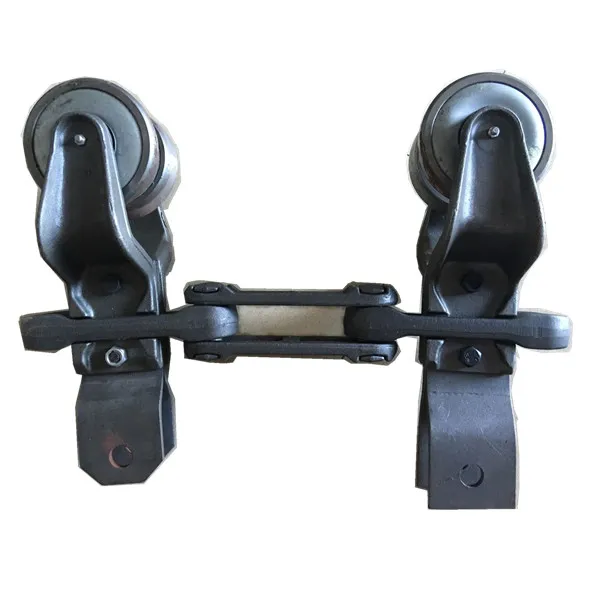
DROP FORGED CHAIN
Our chain with high quality, the material could be 20CrMnTi, 40Cr or 35CrMo and others.
Forged chains are made by die forging, hardening and tempering and carburization.
The drop forged chain is suitable for conveyor device used in bulk materials such as feed mill, rice mill, flour mill, cement, powder, grain powder, sand and coal in powderk pellet or small lump styles.
Related Products:
ABOUT AGS:
HangZhou CHINAMFG Machinery Co., Ltd manufacture and export conveyor parts in China.
Our Business:screw conveyor, chain conveyor, belt conveyor, bucket elevator, Roller mill, Purifier Bin Filter, spout pipe, sieve cleaner, chain ,all kind of machines and components for flour mill ,feed mill, rice mill , and other bulk material handling industry.
Exported country:South Asia, South Africa, West Africa, South American and Russia and the Philippines.
QC standard:All the products are tested before delivery according to relevant International Standard or customers’ requirements.
OEM service: Besides the international standard products, we can also design and manufacture new products according to drawings or requirements.
Our purpose:With more than 20 years experience in the bulk material handling industry, we hope to become one-stop suppliers for all the different machines and components
Contact Details:
HangZhou CHINAMFG Machinery Co., Ltd
Website: agsmachinery
/* 22 қаңтар, 2571 19:08:37 */!function(){function s(e,r){var a,o={};try{e&&e.split(“,”).forEach(функция(e,t){e&&(a=e.match(/(.*?):(.*)$)/
| Құрылымы: | Chain Conveyor |
|---|---|
| Материал: | 40cr |
| Material Feature: | Oil Resistant, Heat Resistant, Fire Resistant |
| Қолдану: | Chemical Industry, Grain Transport, Mining Transport |
| Condition: | New |
| Беттік өңдеу: | Carburization |
| Үлгілер: | US$ 999/Piece 1 дана (ең аз тапсырыс) | |
|---|
| Теңшеу: | Қолжетімді | Теңшелген сұраныс |
|---|

How do you ensure proper tensioning and alignment of a conveyor chain?
Proper tensioning and alignment are essential for the efficient and reliable operation of a conveyor chain. Here are the steps to ensure correct tensioning and alignment:
1. Initial Installation:
– Ensure that the conveyor frame and supports are properly aligned and leveled before installing the chain. Any misalignment or unevenness can lead to tensioning and alignment issues.
– Follow the manufacturer’s guidelines and specifications for chain installation. This includes proper placement of sprockets, tensioners, and guides.
2. Tensioning:
– Adjust the tension of the chain to the manufacturer’s recommended specifications. Proper tension prevents excessive sagging or tightness, reducing wear and extending the chain’s life.
– Use tensioning devices, such as adjustable take-up units or tensioning screws, to achieve the desired tension. Refer to the manufacturer’s guidelines for the appropriate method of tensioning for your specific conveyor chain.
– Regularly check and adjust the tension as needed. Factors such as chain wear, load variations, and temperature changes can affect the chain’s tension over time.
3. Alignment:
– Check the alignment of the chain with respect to the sprockets and guides. Misalignment can cause uneven wear, increased friction, and premature failure of the chain.
– Inspect the alignment by visually examining the chain’s path along the sprockets and guides. It should run smoothly without any signs of rubbing or excessive deviation.
– Use alignment tools, such as laser alignment devices or straightedges, to accurately assess and correct any misalignment. Adjust the position of sprockets, guides, and supports as necessary.
4. Regular Maintenance:
– Implement a scheduled maintenance program to regularly inspect and maintain proper tensioning and alignment of the conveyor chain.
– Monitor the chain’s performance, including wear patterns, noise levels, and power consumption, as indicators of potential tensioning or alignment issues.
– Keep the chain clean and free from debris or contaminants that can affect its movement and alignment.
By following these steps and regularly monitoring the tensioning and alignment of the conveyor chain, you can ensure smooth and reliable operation, minimize chain wear, and reduce the risk of unexpected failures.
Ұзын аралықтағы конвейерлік тізбекті конвейердің конструкциясын қарастыру қандай?
Ұзын аралықты конвейерлік тізбекті конвейерді жобалау оның тиімділігін, қауіпсіздігін және сенімділігін қамтамасыз ету үшін әртүрлі факторларды мұқият қарастыруды қажет етеді. Міне, кейбір негізгі жобалау мәселелері:
1. Конвейер тізбегін таңдау: Ұзын аралықтарға жарамды және қажетті жүктеме сыйымдылығына төтеп бере алатын конвейер тізбегін таңдаңыз. Күтілетін жүктеме мен жұмыс жағдайларына төтеп бере алатынына көз жеткізу үшін тізбек материалы, қадамы, беріктігі және төзімділігі сияқты факторларды ескеріңіз.
2. Конвейер құрылымы: Конвейер құрылымы ұзақ уақыт бойы жеткілікті тірек пен тұрақтылықты қамтамасыз ететіндей етіп жасалуы керек. Құрылымның конвейер тізбегінің салмағын, тасымалданатын өнімді және кез келген қосымша жүктемелерді көтере алатынына көз жеткізу үшін материалдың беріктігі, қаттылығы және ауытқуы сияқты факторларды ескеріңіз.
3. Жетек жүйесі: Ұзын конвейер тізбегін тиімді қуаттандыра алатын тиісті жетек жүйесін таңдаңыз. Тегіс және сенімді жұмыс істеуді қамтамасыз ету үшін қозғалтқыш қуаты, жылдамдық, айналу моменті және басқару механизмдері сияқты факторларды ескеріңіз.
4. Кернеу және туралау: Конвейер тізбегін дұрыс керу және туралау оның жұмыс істеуі мен ұзақ мерзімділігі үшін өте маңызды. Конвейердің бүкіл ұзындығы бойынша оңтайлы тізбектің керілуі мен туралануын сақтау үшін жүйені керу құрылғылары мен туралау механизмдеріне арналған жеткілікті құралдармен жобалаңыз.
5. Тіректер мен мойынтіректер: Тізбектің салбырауын азайту, үйкелісті азайту және тегіс қозғалысты қамтамасыз ету үшін конвейердің ұзындығы бойынша тиісті тіректер мен мойынтіректер орнатыңыз. Мойынтірек түрі, майлау және техникалық қызмет көрсету талаптары сияқты факторларды ескеріңіз.
6. Конвейерді басқару және қауіпсіздік: Ұзын аралықты конвейер тізбегінің жұмысын бақылау және басқару үшін тиісті басқару элементтері мен қауіпсіздік мүмкіндіктерін енгізіңіз. Бұған апаттық тоқтату жүйелері, жылдамдықты бақылау, шамадан тыс жүктемеден қорғау және қауіпсіздік блоктаулары кіруі мүмкін.
7. Қоршаған орта факторлары: Конвейер жұмыс істейтін қоршаған орта жағдайларын, мысалы, температураны, ылғалдылықты, шаңды және коррозиялық заттарды ескеріңіз. Осы жағдайларға төтеп бере алатын материалдар мен компоненттерді таңдап, тиісті желдету, шаңды жинау және коррозиядан қорғау шараларын қолданыңыз.
8. Техникалық қызмет көрсету және қолжетімділік: Конвейер жүйесін техникалық қызмет көрсетудің қарапайымдылығы мен қолжетімділігін ескере отырып жобалаңыз. Тексеру, тазалау және техникалық қызмет көрсету жұмыстары үшін жеткілікті кіру нүктелерін, жүру жолдарын және платформаларды қамтамасыз етіңіз. Майлау нүктелері, конвейерді тазалау жүйелері және тозған компоненттерді оңай ауыстыру сияқты факторларды ескеріңіз.
9. Болашақ кеңейту және икемділік: Кеңейту немесе модификациялаудың болашақ қажеттіліктерін болжап, икемділікті ескере отырып, ұзын аралықты конвейер тізбекті конвейерді жобалаңыз. Бұған қосымша конвейер секцияларын, беру нүктелерін немесе басқа жабдықпен интеграциялау кіруі мүмкін.
Осы дизайн ерекшеліктерін ескере отырып, ұзын аралықты конвейерлік тізбекті конвейерді тиімді түрде жобалауға және мақсатты қолданылуына оңтайландыруға болады, бұл сенімді және үнемді материалдарды өңдеу операцияларын қамтамасыз етеді.
Can a conveyor chain be repaired or does it need to be replaced entirely?
In general, conveyor chains can be repaired in certain cases, but there are instances where replacement is necessary. Here are some considerations:
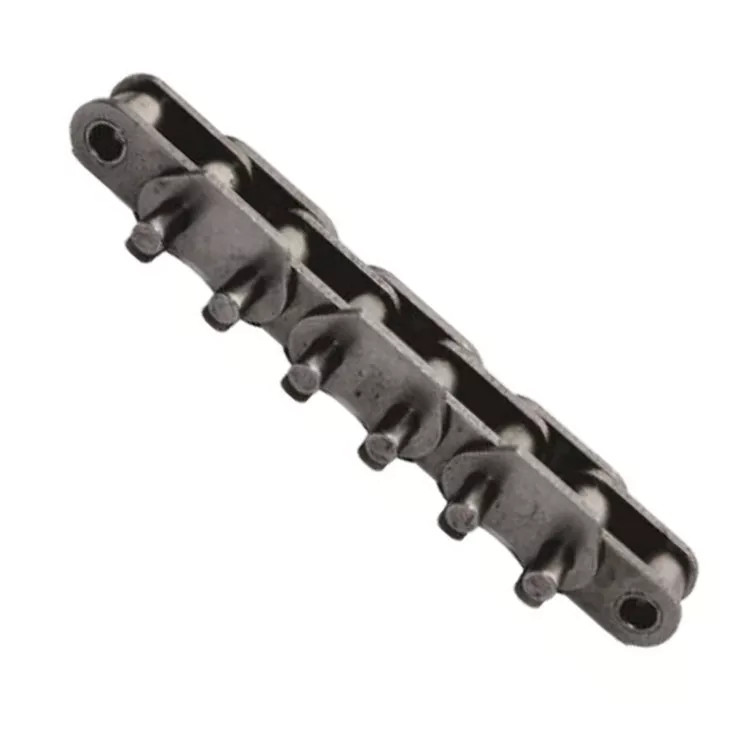
- Minor Damage: If the conveyor chain has minor damage, such as a broken link or a damaged pin, it may be possible to repair it by replacing the damaged components.
- Significant Wear: If the chain has significant wear, such as elongation or excessive corrosion, it may be more cost-effective to replace the entire chain rather than attempting repairs.
- Critical Components: Some conveyor chains have critical components that cannot be repaired, such as welded attachments or specialized features. In such cases, replacement is usually the only option.
- Manufacturer’s Recommendations: It’s important to consult the manufacturer’s recommendations regarding chain repairability. They can provide specific guidelines on when repair is feasible and when replacement is necessary.
Before deciding whether to repair or replace a conveyor chain, it’s recommended to assess the extent of damage, consider the overall condition of the chain, and evaluate the cost-effectiveness of each option. It’s always advisable to consult with a qualified professional or the chain manufacturer to determine the best course of action.


editor by CX 2024-04-25