제품 설명
Simplex stainless 304 Roller Chain (08B-1, 24B-1)
The most commonly used chain is roller chain or as it is also known transmission chain. These are the simplest chain drives, Used mainly for transmitting power. Can be supplied from 3mm pitch up to 4″ pitch in either mild steel or stainless steel.
| DIN/ISO 체인 번호 | 정점 | Roller Diameter | Width Between Inner Plates | Pin Diameter | Pin Length | Inner Plate depth | Plate thick ness | Ultimate 인장력 Strength | Average 인장력 Strength | Weight Per Meter | |
| Mm | mm | mm | mm | mm | mm | mm | mm | kN/LB | kN | Kg/m | |
| 04B-1 | 6.000 | 4.00 | 2.80 | 1.85 | 6.80 | 7.80 | 5.00 | 0.60 | 3.0/682 | 3.2 | 0.11 |
| 05B-1 | 8.000 | 5.00 | 3.00 | 2.31 | 8.20 | 8.90 | 7.10 | 0.80 | 5.0/1136 | 5.9 | 0.20 |
| *06B-1 | 9.525 | 6.35 | 5.72 | 3.28 | 13.15 | 14.10 | 8.20 | 1.30 | 9.0/2045 | 10.4 | 0.41 |
| 08B-1 | 12.700 | 8.51 | 7.75 | 4.45 | 16.70 | 18.20 | 11.80 | 1.60 | 18.0/4091 | 19.40 | 0.69 |
| 10B-1 | 15.875 | 10.16 | 9.65 | 5.09 | 19.50 | 20.90 | 14.70 | 1.70 | 22.4/5091 | 27.50 | 0.93 |
| 12B-1 | 19.050 | 12.07 | 11.68 | 5.72 | 22.50 | 24.2 | 16.00 | 1.85 | 29.0/6591 | 32.20 | 1.15 |
| 16B-1 | 25.400 | 15.88 | 17.02 | 8.28 | 36.10 | 37.4 | 21.00 | 4.15/3.1 | 60.0/13636 | 72.80 | 2.71 |
| 20B-1 | 31.750 | 19.05 | 19.56 | 10.19 | 41.30 | 45.0 | 26.40 | 4.5/3.5 | 95.0/21591 | 106.7 | 3.70 |
| 24B-1 | 38.100 | 25.40 | 25.40 | 14.63 | 53.40 | 57.80 | 33.20 | 6.0/4.8 | 160.0/36364 | 178.0 | 7.10 |
| 28B-1 | 44.450 | 27.94 | 30.99 | 15.90 | 65.10 | 69.50 | 36.70 | 7.5/6.0 | 200.0/45455 | 222.0 | 8.50 |
| 32B-1 | 50.800 | 29.21 | 30.99 | 17.81 | 66.00 | 71.0 | 42.00 | 7.0/6.0 | 250.0/56818 | 277.5 | 10.25 |
| 40B-1 | 63.50 | 39.37 | 38.10 | 22.89 | 82.20 | 89.2 | 52.96 | 8.5/8.0 | 355.0/80682 | 394.0 | 16.35 |
| 48B-1 | 76.20 | 48.26 | 45.72 | 29.24 | 99.10 | 107.0 | 63.80 | 12.0/10.0 | 560.0/127272 | 621.6 | 25.00 |
| 56B-1 | 88.90 | 53.98 | 53.34 | 34.32 | 114.60 | 123.0 | 77.80 | 13.5/12.0 | 850.0/193180 | 940.0 | 35.78 |
| *Bushing chain: d1 in the table indicate the external diameter of bushing | |||||||||||
We own the sophisticated equipment and the advanced technology, such as:
1. CAD Designer
2. Wire Cutting Machine
3. Chain Running In Machine
4. Conveyor Furance
5. Ball Drift
6. Shot Peened Parts
7. Design Of Link Plate Waist
Company Detail:
GOODLUCK TRANSMISSION is 1 of a professional exporter with exporting POWER TRANSMISSION PARTS: Roller chains,conveyor chain,stainless steel chains, agricultural chains, steel detachable chains, special chains, sprockets, s. S. Sprockets, HRC couplings, pulleys, bushes etc. All these products have been supplied regularly to World Wide for over 15 years.
Welcome contact for more detail.
Company Detail:
GOODLUCK TRANSMISSION is 1 of a professional exporter with exporting POWER TRANSMISSION PARTS: Roller chains,conveyor chain,stainless steel chains, agricultural chains, steel detachable chains, special chains, sprockets, s. S. Sprockets, HRC couplings, pulleys, bushes etc. All these products have been supplied regularly to World Wide for over 15 years.
Welcome contact for more detail.
Company Detail:
GOODLUCK TRANSMISSION is 1 of a professional exporter with exporting POWER TRANSMISSION PARTS: Roller chains,conveyor chain,stainless steel chains, agricultural chains, steel detachable chains, special chains, sprockets, s. S. Sprockets, HRC couplings, pulleys, bushes etc. All these products have been supplied regularly to World Wide for over 15 years.
Welcome contact for more detail.
Sofia Chen(Sales Manager)
HangZhou Goodlukc Transmission Technology Co.,Ltd.
716 Gold River Center,NO.88 Shishan Rd.,
New District,HangZhou,P.R.China.P.C.:215011
| 용법: | 변속기 |
|---|---|
| 재료: | 스테인리스 스틸 |
| 표면 처리: | 세련 |
| 특징: | 내열성 |
| 체인 크기: | 1/2"*3/32" |
| 구조: | 롤러 체인 |
| 맞춤 설정: | 사용 가능 | 맞춤형 요청 |
|---|
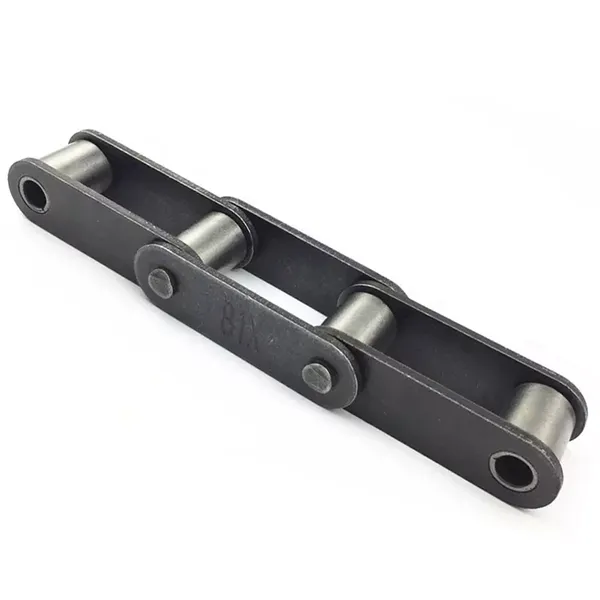
How does a conveyor chain handle inclined or declined conveyance?
A conveyor chain is designed to handle various types of conveyance, including inclined or declined applications. Here’s how a conveyor chain handles these situations:
1. Inclined Conveyance: When a conveyor system is required to move materials uphill, an inclined conveyor chain is used. The chain’s design includes special attachments or cleats that provide additional grip and prevent material from slipping or sliding backward. These attachments are strategically positioned along the chain to ensure effective conveyance on inclines.
2. Declined Conveyance: For conveyors that move materials downhill, a declined conveyor chain is utilized. Similar to inclined conveyance, the chain may have specialized attachments or cleats that help control the speed and prevent material from sliding too quickly. These attachments keep the material in place and ensure a controlled and efficient flow downward.
Both inclined and declined conveyance require careful consideration of the chain’s design, including the type and arrangement of attachments. The size, shape, and weight of the conveyed material also play a role in determining the appropriate chain configuration. It’s important to consult with conveyor chain manufacturers or experts to select the right chain and attachments for specific inclined or declined applications.

컨베이어 체인은 전반적인 생산 효율성에 어떻게 기여합니까?
컨베이어 체인은 다양한 산업 분야에서 전반적인 생산 효율을 향상시키는 데 중요한 역할을 합니다. 컨베이어 체인이 효율성 향상에 기여하는 방식은 다음과 같습니다.
1. 연속적인 자재 흐름: 컨베이어 체인은 한 지점에서 다른 지점으로 자재가 지속적이고 중단 없이 흐르도록 합니다. 이를 통해 수작업이나 자재 운반이 필요 없어지며, 생산 공정의 가동 중단 시간과 지연을 줄일 수 있습니다.
2. 처리량 증가: 컨베이어 체인은 자재 취급을 자동화하여 제품의 이동 속도를 높이고 효율성을 향상시킵니다. 이를 통해 처리량과 생산 속도를 높여 자원 활용도를 극대화하고 사이클 시간을 단축할 수 있습니다.
3. 생산성 향상: 컨베이어 시스템을 사용하면 직원들은 수동 자재 취급보다는 부가가치가 높은 작업에 집중할 수 있습니다. 이는 작업자들이 더욱 숙련되고 중요한 작업에 집중할 수 있게 되어 생산성 향상으로 이어집니다.
4. 효율적인 자원 배분: 잘 설계된 컨베이어 체인 시스템은 공간 활용을 최적화하여 생산 구역의 효율적인 배치 및 구성을 가능하게 합니다. 이는 작업 흐름을 간소화하고 바닥 공간, 인력, 장비 등의 자원 낭비를 최소화하는 데 도움이 됩니다.
5. 품질 관리: 컨베이어 체인은 검사 스테이션이나 자동화 공정과 통합되어 생산의 여러 단계에서 품질 관리를 보장할 수 있습니다. 이를 통해 결함이나 불일치를 감지하고 수정하여 불량 제품이 시장에 유통될 가능성을 줄일 수 있습니다.
6. 자재 취급 비용 절감: 컨베이어 시스템은 수작업 자재 취급을 없애거나 최소화함으로써 상품 운송, 인양 및 운반과 관련된 인건비를 절감합니다. 또한 수작업으로 인한 부상이나 사고 위험을 최소화합니다.
7. 유연성 및 적응성: 컨베이어 체인은 특정 생산 요구 사항에 맞게 맞춤 제작할 수 있습니다. 다양한 제품 유형을 수용하고, 여러 가지 적재 용량을 처리하며, 생산 수요 변화에 적응하도록 설계할 수 있습니다. 이러한 유연성 덕분에 기존 생산 시스템과 원활하게 통합하고 손쉽게 확장할 수 있습니다.
8. 안전 및 인체공학: 컨베이어 체인에는 작업자의 안전을 보장하기 위해 가드, 비상 정지 버튼, 연동 장치와 같은 안전 기능이 통합되어 있습니다. 또한 작업자의 신체적 부담을 줄이고 근골격계 부상 위험을 최소화하여 인체공학적 환경을 조성합니다.
전반적으로, 잘 설계되고 적절하게 유지 관리되는 컨베이어 체인 시스템은 자재 흐름을 최적화하고, 처리량을 증가시키고, 생산성을 향상시키고, 비용을 절감하고, 품질 관리를 보장하고, 작업자 안전을 최우선으로 함으로써 생산 효율성을 높입니다.
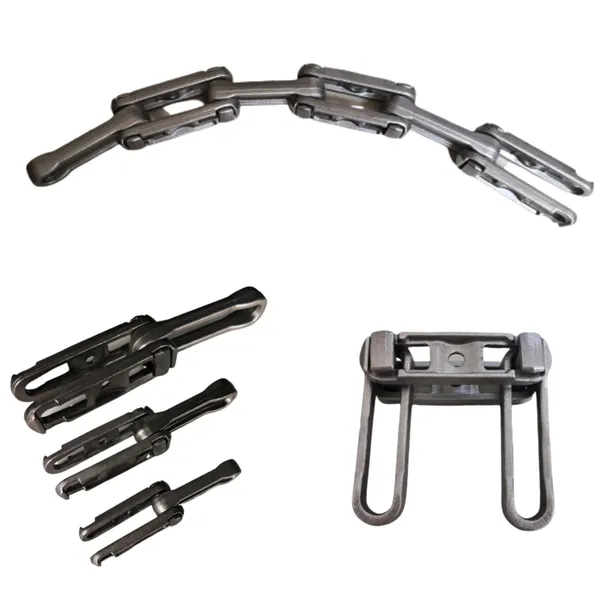
What are the signs of wear and tear in a conveyor chain?
Over time, a conveyor chain may experience wear and tear due to the demanding nature of material handling operations. Several signs indicate the need for maintenance or replacement of a conveyor chain. These signs of wear and tear include:
- Chain Elongation: One of the common signs of wear in a conveyor chain is elongation. As the chain wears, the pitch between the chain links gradually increases, resulting in a longer chain length. Excessive elongation can cause improper engagement with sprockets, leading to slippage or chain derailment.
- Chain Link Plate Wear: The link plates of a conveyor chain can experience wear on their surfaces. This wear is typically caused by friction against sprockets, guide rails, or other components. Signs of plate wear include thinning or deformation of the link plates, which can affect the overall strength and integrity of the chain.
- Sprocket Tooth Wear: The teeth of the sprockets that engage with the conveyor chain can also exhibit signs of wear. Over time, the teeth may become worn down, rounded, or have irregular shapes. This wear can cause improper chain engagement, resulting in reduced efficiency and potential chain slipping or skipping.
- Excessive Noise: Increased noise during the operation of the conveyor system can indicate wear and tear in the chain. Excessive wear can lead to metal-to-metal contact, resulting in noisy operation. Unusual squeaking, grinding, or rattling sounds are indicators that the chain may require inspection or maintenance.
- Visible Damage: Any visible damage to the chain, such as cracked or broken link plates, bent pins, or missing attachments, is a clear sign of wear and tear. These damages compromise the chain’s structural integrity and should be addressed promptly to prevent further issues or chain failure.
- Inconsistent Movement: If the conveyor chain starts to exhibit jerky or uneven movement, it may be a sign of wear or misalignment. Misalignment can occur due to worn chain links, damaged sprockets, or improper tensioning. Inconsistent movement can lead to reduced efficiency, increased wear, and potential chain failure.
Regular inspection and maintenance of the conveyor chain system are essential to identify these signs of wear and tear. Timely replacement of worn components and proper lubrication can help prolong the life of the chain and maintain efficient operation.


editor by CX 2023-10-12