Описание продукта
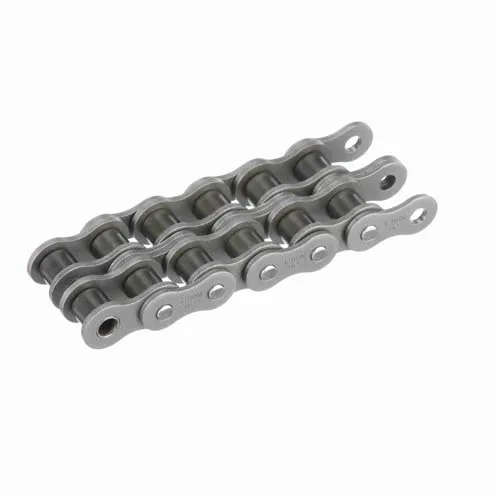
Двухрядная короткошаговая прецизионная конвейерная роликовая цепь (DIN764)
Прецизионные роликовые цепи с коротким шагом (серия B)
Материал: легированная сталь
Обработка поверхности: дробеструйная обработка / чернение / воронение
Основное применение: Промышленное оборудование
Номер цепи ANSI: 05B-2 06B-2 10B-2 12B-2 16B-2 20B-2 24B-2 28B-2 32B-2 40B-2 48B-2 56B-2 72B-2
Подача: 8 9.525 12.7 15.875 19.05 25.4 31.75 38.1 44.45 50.8 63.5 76.2 88.9 101.6 114.3
| Название продукта | Двухрядная короткошаговая прецизионная роликовая цепь (серия B) (DIN764) |
| Имеющиеся материалы | 1. Нержавеющая сталь: SS201, SS303, SS304, SS316, SS416, SS420 |
| 2. Сталь: C45 (K1045), C46 (K1046), C20 | |
| 3. Латунь: C36000 (C26800), C37700 (HPb59), C38500 (HPb58), C27200 (CuZn37), C28000 (CuZn40) | |
| 4. Бронза: C51000, C52100, C54400 и т. д. | |
| 5. Железо: 1213, 12L14, 1215 | |
| 6. Алюминий: Al6061, Al6063 | |
| 7. OEM-производство по вашему запросу. | |
| Обработка поверхности | Отжиг, естественное анодирование, термообработка, полировка, никелирование, хромирование, цинкование, желтая пассивация, золотая пассивация, сатинирование, черная краска и т.д. |
| Доступные товары | звездочки, цепи, шкивы, валы (оси, шлицевые валы, валы типа "дротик"), шестерни (шестерни, колеса, зубчатые рейки), подшипники, посадочные места подшипников, втулки, муфты, стопорные узлы и т. д. |
| Метод обработки | Обработка на станках с ЧПУ, штамповка, токарная обработка, фрезерование, сверление, шлифовка, протяжка, сварка и сборка. |
| Контроль качества: | Техники проводят самопроверку на производстве, окончательная проверка перед упаковкой осуществляется профессиональным инспектором по качеству. |
| Размер | Чертежи |
| Упаковка | Деревянный ящик/контейнер и поддон, или по индивидуальным спецификациям. |
| Сертификат | ISO9001:2008, ISO14001:2001, ISO/TS 16949:2009 |
| Преимущество | Качество прежде всего, превосходное обслуживание, современное оборудование, опытные сотрудники, совершенное испытательное оборудование. |
| Время выполнения | Срок изготовления образцов: 15-25 дней. Срок выполнения официального заказа: 30-45 дней. |
1. Вы производитель или торговая компания?
Мы — фабрика, основанная в 1991 году, с торговой командой, занимающейся международным обслуживанием.
2. Какие условия оплаты вы обычно используете?
Предоплата банковским переводом 30% и 70% по предъявлении документов, Western Union, аккредитив по предъявлению.
3. Каков срок поставки ваших товаров?
Обычно доставка занимает 45 дней после подтверждения заказа. В низкий сезон (с мая по июль) для некоторых товаров срок может составлять 30 дней, а в новогодний и жаркий сезон (с января по март) — 65 дней.
4. Вы посещаете какие-нибудь выставки?
Мы участвуем в Ганноверской выставке в Германии, выставке NMW в Австралии, Кантонской ярмарке, выставке PTC в Китае и многих других специализированных мебельных выставках.
| Применение: | Цепь передачи |
|---|---|
| Материал: | Легированная/углеродистая сталь |
| Обработка поверхности: | Полировка |
| Особенность: | Термостойкий |
| Размер цепочки: | 1/2"*3/32" |
| Структура: | Роликовая цепь |
| Настройка: | Доступный | Индивидуальный запрос |
|---|
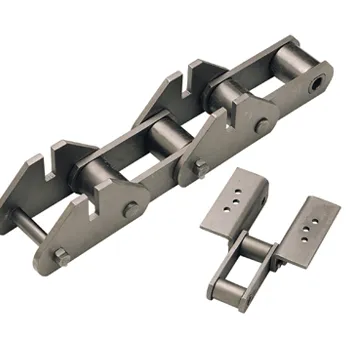
Can a conveyor chain be used in overhead conveyor systems?
Yes, a conveyor chain can be used in overhead conveyor systems. Overhead conveyor systems are designed to move materials, products, or components along an elevated path, typically in manufacturing or distribution facilities.
Conveyor chains used in overhead conveyor systems are specially designed to handle the weight and load requirements of the application. They are typically made from durable materials such as steel or stainless steel to ensure strength and longevity.
Here are some key considerations when using a conveyor chain in overhead conveyor systems:
1. Load Capacity:
– Ensure that the conveyor chain has sufficient load capacity to handle the weight of the conveyed items. The load capacity should be determined based on the maximum anticipated load and any potential dynamic forces.
2. Chain Type and Design:
– Select a conveyor chain that is suitable for overhead applications, such as an overhead conveyor chain or an inverted tooth chain. These chains are specifically designed to handle the unique requirements of overhead conveyance.
3. Lubrication:
– Proper lubrication is crucial for the smooth operation of the conveyor chain in an overhead system. Consider using lubricants that are suitable for overhead applications and ensure regular lubrication to minimize friction and wear.
4. Safety Measures:
– Implement appropriate safety measures to prevent accidents and ensure worker safety. This may include installing safety guards, emergency stop systems, and implementing regular maintenance and inspection routines.
It is important to consult with conveyor system manufacturers or experts who specialize in overhead conveyor systems to ensure the conveyor chain is selected and installed correctly for the specific application requirements.

Какие факторы следует учитывать при выборе шага конвейерной цепи?
При выборе шага конвейерной цепи необходимо учитывать несколько факторов для обеспечения оптимальной производительности и эффективности. Вот основные из них:
1. Грузоподъемность: Шаг конвейерной цепи следует выбирать исходя из предполагаемой грузоподъемности системы. Учитывайте вес и размер транспортируемых материалов, чтобы убедиться, что цепь сможет выдерживать требуемую нагрузку, не превышая свою грузоподъемность.
2. Скорость и область применения: Рабочая скорость конвейерной системы и конкретное применение влияют на выбор шага цепи. Более высокие скорости могут потребовать цепей с меньшим шагом для обеспечения плавной и надежной работы.
3. Длина конвейера: Длина конвейерной системы влияет на выбор шага цепи. Для более длинных конвейеров могут потребоваться цепи с большим шагом, чтобы распределить нагрузку и уменьшить натяжение отдельных звеньев цепи.
4. Ограничения по пространству: Учитывайте доступное пространство для конвейерной системы. В условиях ограниченного пространства предпочтительнее использовать цепи с меньшим шагом, чтобы минимизировать общую занимаемую площадь конвейера.
5. Износ и техническое обслуживание: При выборе шага цепи следует также учитывать предполагаемый износ и требования к техническому обслуживанию. Цепи с меньшим шагом часто обеспечивают лучшую износостойкость и могут требовать менее частой смазки и технического обслуживания.
6. Регулирование скорости: Если конвейерная система требует регулирования скорости или точного позиционирования, выбор шага цепи должен соответствовать возможностям управления приводной системы. Цепи с меньшим шагом могут обеспечить более точное управление.
7. Совместимость: Убедитесь, что выбранный шаг зубьев совместим с другими компонентами конвейерной системы, включая звездочки, направляющие и навесное оборудование. Они должны быть спроектированы таким образом, чтобы плавно и эффективно взаимодействовать друг с другом.
8. Условия эксплуатации: Учитывайте условия окружающей среды, в которых будет работать конвейер. Такие факторы, как температура, влажность, коррозионные вещества или абразивные материалы, могут повлиять на выбор шага цепи и материала для обеспечения прочности и долговечности.
Учитывая эти факторы, вы можете выбрать подходящий шаг цепи конвейера, обеспечив оптимальную производительность, долговечность и надежную работу системы.
Какие меры предосторожности следует соблюдать при работе с конвейерными цепями?
Работа с конвейерными цепями сопряжена с потенциальными опасностями, поэтому крайне важно соблюдать надлежащие меры безопасности для обеспечения благополучия работников и предотвращения несчастных случаев. Вот некоторые важные меры безопасности, которые следует учитывать:
- Надлежащая подготовка: Обеспечьте надлежащее обучение работников, эксплуатирующих или обслуживающих конвейерные цепи, правилам безопасной работы, включая обращение с цепями, процедуры технического обслуживания и протоколы действий в чрезвычайных ситуациях.
- Средства индивидуальной защиты (СИЗ): Рабочие должны носить соответствующие средства индивидуальной защиты, такие как защитные очки, перчатки и обувь со стальными носками, чтобы защитить себя от потенциальных опасностей, включая летящие обломки, защемления или запутывание.
- Блокировка/маркировка: Перед выполнением любых работ по техническому обслуживанию или ремонту конвейерных цепей необходимо соблюдать процедуры блокировки/маркировки, чтобы изолировать и обесточить оборудование и предотвратить случайный запуск или высвобождение накопленной энергии.
- Охрана: Убедитесь, что конвейерные цепи надлежащим образом защищены, чтобы предотвратить доступ к движущимся частям, таким как места защемления и вращающиеся звездочки. Защитные ограждения должны быть надежно закреплены и не мешать работе цепи.
- Уборка номеров: Поддерживайте чистоту рабочего места и убирайте с него мусор, инструменты и другие предметы, которые могут представлять опасность спотыкания или препятствовать работе конвейерной цепи.
- Регулярные проверки: Регулярно осматривайте конвейерные цепи на предмет износа, повреждений или смещения. Своевременно устраняйте любые неполадки, чтобы предотвратить потенциальные угрозы безопасности.
- Безопасная погрузка и разгрузка: При погрузке или разгрузке материалов на конвейер соблюдайте правила безопасного подъема и обеспечьте равномерное распределение груза, чтобы предотвратить перегрузку или дисбаланс.
- Устройства аварийной остановки: Установите и четко обозначьте устройства аварийной остановки вдоль конвейерной системы, чтобы обеспечить немедленное отключение в случае аварии или опасной ситуации.
- Чёткая коммуникация: Разработайте четкие протоколы связи, включая сигналы или знаки, для обеспечения эффективной коммуникации между работниками, обслуживающими различные участки конвейерной системы.
Эти меры предосторожности носят общий характер, и важно ознакомиться с конкретными правилами и рекомендациями по технике безопасности, предоставленными производителем оборудования и соответствующими органами по безопасности, и соблюдать их. Регулярное обучение технике безопасности, повышение осведомленности и активная культура безопасности имеют решающее значение для поддержания безопасной рабочей среды при работе с конвейерными цепями.


editor by CX 2023-08-10