คำอธิบายผลิตภัณฑ์
คำอธิบายผลิตภัณฑ์
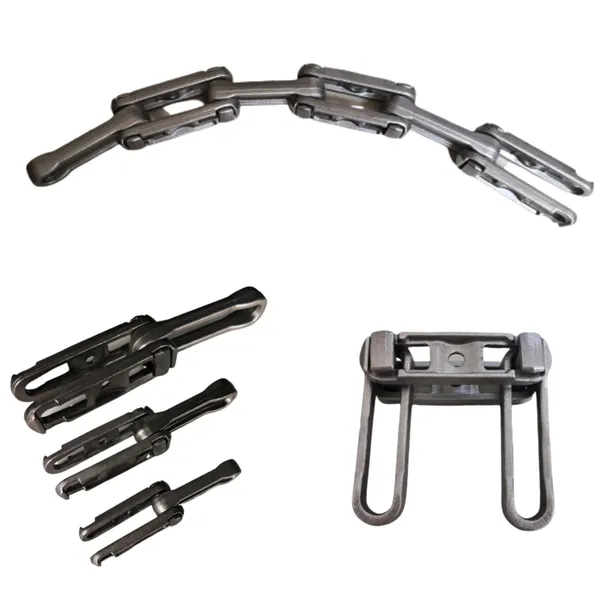
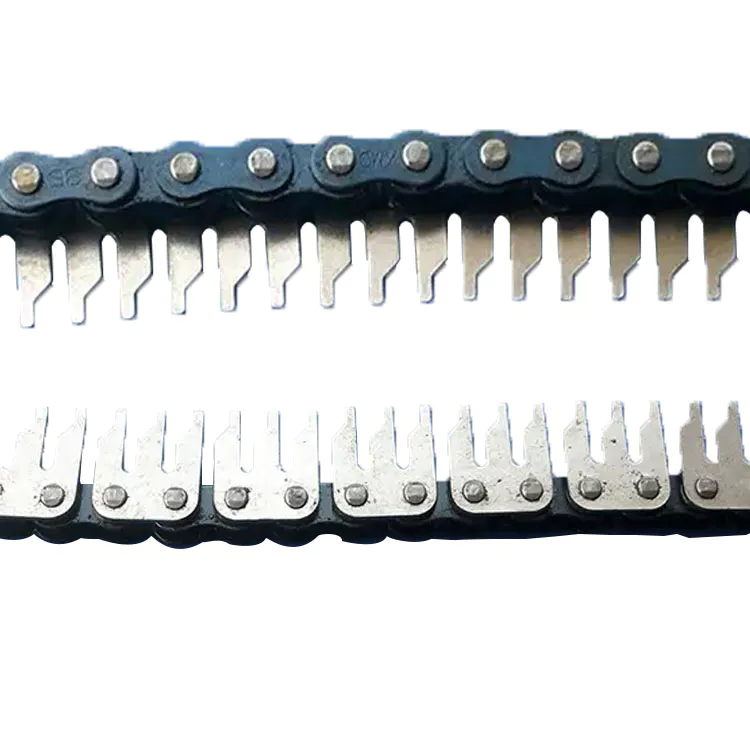
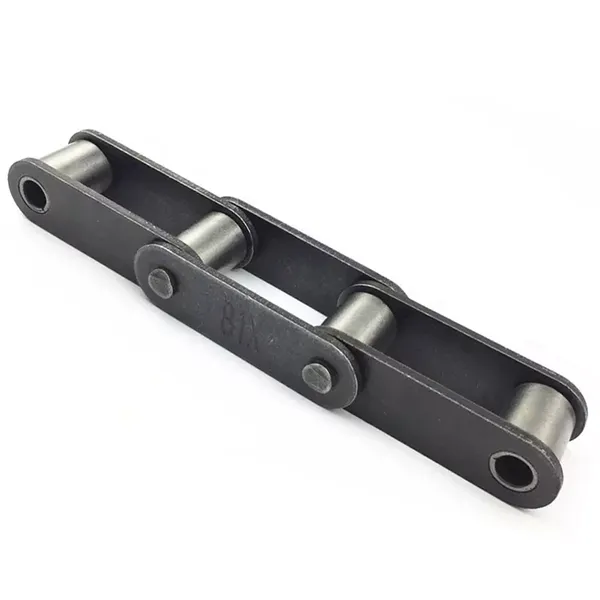
1, Our Chain types: Agricultural roller chain, hollow pin conveyor chain, sugar industry chain, cane feeder and washing table chain, welded steel chain, bakery industry chain, weld steel drag chains,coil conveyor chain, palm oil chain etc;
2, Main materials: It is 40Mn. 40Cr, 45Mn alloy steel, SUS304, and POM Plastic for plates, 10#, 20#, 20CrMnMo, 30CrMnTi for pins and rollers;
3, Heat treatment: Carburizing, Austemper Stressing, nitro-caburizing harden etc;
4, Surface: Shot peening, black, blue or original;
ภาพถ่ายโดยละเอียด
For example of WH78, WH82, WH124, WH111, WH106, WH110, WH132, WH150, WH155
พารามิเตอร์ผลิตภัณฑ์
บรรจุภัณฑ์และการจัดส่ง
plastic bag+carton+ OSB Case
Shipping way: these products will be shipped to your local port by sea, these also could be sent to your specific address by air.
ข้อได้เปรียบของเรา
Our chains could be customized according to your actual order quantity, actual drawing and actual requirement. We have own chain process workshop, heat treatment workshop, process equipments and experienced designers.
(01)Assembled workshop
(02)Punching plate workshop
(03)Plate fabrication workshop
(04)Heat treatment workshop
(05)Shot peening workshop
(06) our warehouse
After Sales Service
Our products can be repaired or replaced the new parts with free cost in six months.
| วัสดุ: | Alloy |
|---|---|
| โครงสร้าง: | Welded Chain |
| การเตรียมพื้นผิว: | Carburizing and Quenching |
| ขนาดสร้อย: | 153.67mm |
| คุณสมบัติ: | ทนความร้อน |
| Bush Diameter on Inner Link: | 44.50mm |
| การปรับแต่ง: | มีอยู่ | คำขอที่กำหนดเอง |
|---|
Can a conveyor chain be used in cleanroom environments?
Yes, conveyor chains can be used in cleanroom environments with proper selection and design considerations. Cleanroom environments require stringent control of airborne particles, such as dust, microbes, and contaminants, to maintain high levels of cleanliness. Here are some factors to consider when using a conveyor chain in a cleanroom:
1. การเลือกวัสดุ:
– Choose a conveyor chain made from materials that are compatible with cleanroom requirements. Stainless steel, plastic, or special coatings are commonly used for their clean and non-contaminating properties.
– Avoid materials that generate excessive particles or contaminants, such as certain types of lubricants or chain coatings.
2. Design Considerations:
– Design the conveyor chain system to minimize particle generation. This includes smooth surfaces, rounded edges, and avoiding areas that can trap or accumulate particles.
– Use sealed or enclosed chain designs to prevent the release of lubricants or contaminants.
– Consider the integration of additional features, such as covers or guards, to further protect the chain and prevent particle ingress.
3. Cleaning and Maintenance:
– Establish a cleaning and maintenance protocol specific to the cleanroom environment. This may include regular cleaning and sanitization procedures to maintain cleanliness standards.
– Use cleaning agents and procedures that are approved for cleanroom use and do not introduce contaminants.
– Regularly inspect the conveyor chain system for any signs of wear, damage, or contamination. Promptly address any issues to ensure the chain’s reliability and cleanliness.
4. Compliance with Cleanroom Standards:
– Ensure that the conveyor chain system meets the cleanliness and particle generation requirements of the specific cleanroom standards or classifications in which it will be used.
– Comply with relevant industry guidelines and regulations, such as ISO standards, when selecting and using conveyor chains in cleanroom environments.
By considering these factors and implementing proper material selection, design considerations, cleaning protocols, and compliance with cleanroom standards, a conveyor chain can be effectively used in cleanroom environments while maintaining the required cleanliness levels.
ข้อดีของการใช้สายพานลำเลียงพลาสติกมีอะไรบ้าง?
โซ่ลำเลียงพลาสติกมีข้อดีหลายประการเหนือกว่าโซ่โลหะแบบดั้งเดิม ข้อดีที่สำคัญบางประการมีดังนี้:
1. ความต้านทานการกัดกร่อน: โซ่พลาสติกมีความต้านทานการกัดกร่อนสูง ทำให้เหมาะสำหรับใช้งานในสภาพแวดล้อมที่ชื้นหรือมีฤทธิ์กัดกร่อน โซ่จะไม่เป็นสนิมหรือเสื่อมสภาพเมื่อสัมผัสกับความชื้นหรือสารเคมี
2. น้ำหนักเบา: โซ่พลาสติกมีน้ำหนักเบากว่าโซ่โลหะมาก ทำให้จัดการและติดตั้งได้ง่ายกว่า น้ำหนักที่เบายังช่วยลดน้ำหนักโดยรวมของระบบลำเลียง และอาจส่งผลให้ประหยัดพลังงานระหว่างการใช้งานได้
3. การทำงานเงียบ: โซ่พลาสติกสร้างเสียงรบกวนน้อยกว่าโซ่โลหะ ทำให้สภาพแวดล้อมการทำงานเงียบกว่า ซึ่งเป็นประโยชน์อย่างยิ่งในอุตสาหกรรมที่การลดเสียงรบกวนมีความสำคัญ เช่น อุตสาหกรรมแปรรูปอาหารหรือบรรจุภัณฑ์
4. ลดแรงเสียดทานและการสึกหรอ: โซ่พลาสติกมีคุณสมบัติหล่อลื่นในตัว ซึ่งช่วยลดแรงเสียดทานและการสึกหรอ ส่งผลให้ความต้องการในการบำรุงรักษาลดลงและอายุการใช้งานของโซ่ยาวนานขึ้น พื้นผิวเรียบของโซ่พลาสติกยังช่วยลดความเสี่ยงต่อความเสียหายของผลิตภัณฑ์ระหว่างการขนส่งอีกด้วย
5. ความยืดหยุ่นและการประกอบแบบโมดูลาร์: โซ่พลาสติกสามารถปรับแต่งและออกแบบให้เหมาะสมกับความต้องการของระบบลำเลียงเฉพาะได้อย่างง่ายดาย มีความยืดหยุ่นในแง่ของความยาว ความกว้าง และรูปแบบ นอกจากนี้ โซ่พลาสติกมักเป็นแบบโมดูลาร์ ทำให้สามารถเปลี่ยนส่วนที่เสียหายหรือสึกหรอได้ง่ายโดยไม่ต้องเปลี่ยนโซ่ทั้งหมด
6. ประหยัดต้นทุน: โดยทั่วไปแล้ว โซ่ลำเลียงพลาสติกจะประหยัดต้นทุนมากกว่าโซ่โลหะ มักมีต้นทุนการผลิตที่ต่ำกว่าและมีอายุการใช้งานยาวนานกว่า โดยต้องการการบำรุงรักษาเพียงเล็กน้อย ส่งผลให้ต้นทุนโดยรวมต่ำลง
7. ความทนทานต่อสารเคมี: โซ่พลาสติกมีความทนทานต่อสารเคมีหลากหลายชนิด ทำให้เหมาะสำหรับการใช้งานที่ต้องสัมผัสกับสารที่มีฤทธิ์กัดกร่อน สามารถทนต่อการสัมผัสกับน้ำมัน กรด ด่าง และสารทำความสะอาดต่างๆ ได้
โดยรวมแล้ว ข้อดีของการใช้โซ่ลำเลียงพลาสติก ได้แก่ ความต้านทานการกัดกร่อน การออกแบบที่น้ำหนักเบา การทำงานที่เงียบ การลดแรงเสียดทานและการสึกหรอ ความยืดหยุ่น ความคุ้มค่า และความต้านทานต่อสารเคมี ข้อดีเหล่านี้ทำให้โซ่พลาสติกเป็นที่นิยมในอุตสาหกรรมต่างๆ รวมถึงการแปรรูปอาหาร บรรจุภัณฑ์ ยา และโลจิสติกส์
What are the common causes of conveyor chain failures?
Conveyor chain failures can occur due to various reasons, and identifying the root cause is crucial for preventing future issues. Here are some common causes of conveyor chain failures:
- Lack of Lubrication: Insufficient or improper lubrication can lead to increased friction and wear on the chain components, resulting in premature failure.
- Excessive Load: Overloading the conveyor chain beyond its rated capacity can cause excessive stress and strain, leading to chain elongation, deformation, or link breakage.
- Misalignment: Improper alignment of the conveyor chain can cause uneven loading and excessive wear on specific areas, leading to chain failure.
- Environmental Factors: Harsh operating environments, such as high temperatures, corrosive substances, or abrasive materials, can accelerate chain wear and corrosion, leading to failure.
- Foreign Objects: The presence of foreign objects or debris on the conveyor system can interfere with the movement of the chain, causing jamming, binding, or chain damage.
- Poor Maintenance: Inadequate maintenance practices, such as irregular inspections, failure to address minor issues promptly, or neglecting to replace worn components, can contribute to chain failures.
- Incorrect Installation: Improper installation, including incorrect tensioning, misalignment, or using incompatible components, can result in premature chain failure.
- Fatigue and Wear: Continuous operation over time can lead to fatigue and wear in the chain, especially in high-speed or heavy-duty applications, resulting in eventual failure.
Regular maintenance, proper lubrication, adequate training for operators, and adherence to manufacturer guidelines can help mitigate these common causes of conveyor chain failures. Conducting routine inspections, promptly addressing issues, and replacing worn components can also significantly extend the life of the conveyor chain.


editor by CX 2023-10-24