Descrizione del prodotto
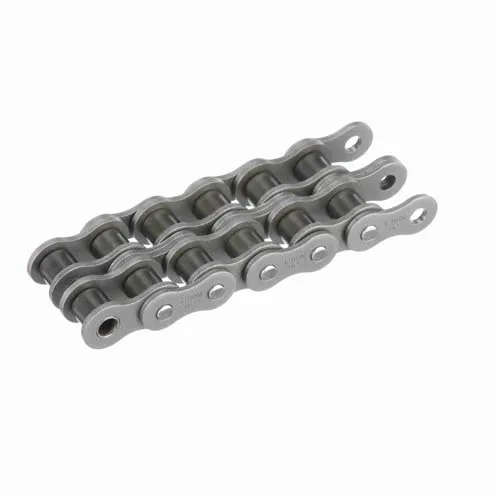
Catena di trasmissione a rulli di precisione duplex a passo corto per trasportatori (DIN764)
CATENE A RULLI DI PRECISIONE A PASSO CORTO (SERIE B)
Materiale: acciaio legato
Trattamento superficiale: pallinatura / annerimento / brunitura
Applicazione principale: Macchinari industriali
CATENA ANSI N.: 05B-2 06B-2 10B-2 12B-2 16B-2 20B-2 24B-2 28B-2 32B-2 40B-2 48B-2 56B-2 72B-2
Passo:8 9.525 12.7 15.875 19.05 25.4 31.75 38.1 44.45 50.8 63.5 76.2 88.9 101.6 114.3
| Nome del prodotto | Catena a rulli di precisione duplex a passo corto (serie B) (DIN764) |
| Materiali disponibili | 1. Acciaio inossidabile: SS201, SS303, SS304, SS316, SS416, SS420 |
| 2. Acciaio: C45 (K1045), C46 (K1046), C20 | |
| 3. Ottone: C36000 (C26800), C37700 (HPb59), C38500 (HPb58), C27200 (CuZn37), C28000 (CuZn40) | |
| 4. Bronzo: C51000, C52100, C54400, ecc. | |
| 5. Ferro: 1213, 12L14, 1215 | |
| 6. Alluminio: Al6061, Al6063 | |
| 7. Produzione OEM secondo la vostra richiesta | |
| Trattamento superficiale | Ricottura, anodizzazione naturale, trattamento termico, lucidatura, nichelatura, cromatura, zincatura, passivazione gialla, passivazione dorata, satinatura, verniciatura superficiale nera ecc. |
| Prodotti disponibili | catene a pignone, pulegge, alberi (assi, alberi scanalati, alberi a dardo), ingranaggi (pignoni, ruote dentate, cremagliere), cuscinetti, sedi dei cuscinetti, boccole, giunti, gruppi di bloccaggio ecc. |
| Metodo di elaborazione | Lavorazione CNC, punzonatura, tornitura, fresatura, foratura, rettifica, brocciatura, saldatura e assemblaggio. |
| Controllo qualità: | Autocontrollo da parte dei tecnici durante la produzione, controllo finale prima dell'imballaggio da parte di un ispettore di qualità professionista. |
| Misurare | Disegni |
| Pacchetto | Cassa/contenitore in legno e pallet, o secondo specifiche personalizzate |
| Certificato | ISO9001:2008, ISO14001:2001, ISO/TS 16949:2009 |
| Vantaggio | Qualità al primo posto, servizio superiore, attrezzature all'avanguardia, personale esperto, apparecchiature di collaudo perfette. |
| Tempi di consegna | Campioni: 15-25 giorni. Ordine ufficiale: 30-45 giorni. |
1. Siete un'azienda produttrice o commerciale?
Siamo una fabbrica fondata nel 1991 con un team commerciale dedicato al servizio internazionale.
2. Quali sono le modalità di pagamento che utilizzate di solito?
Deposito T/T 30% e 70% contro documento, Western Union, L/C a vista
3. Quali sono i tempi di consegna per i vostri prodotti?
Normalmente la consegna avviene 45 giorni dopo la conferma dell'ordine. In bassa stagione per alcuni articoli (da maggio a luglio) la consegna potrebbe richiedere 30 giorni, mentre durante il periodo di Capodanno e l'alta stagione (da gennaio a marzo) i tempi di consegna possono arrivare a 65 giorni.
4. Partecipi a qualche spettacolo?
Partecipiamo alla fiera di Hannover in Germania, alla NMW in Australia, alla Fiera di Canton, alla PTC in Cina e a molte altre fiere specializzate nel settore dell'arredamento.
| Utilizzo: | catena di trasmissione |
|---|---|
| Materiale: | Acciaio legato/al carbonio |
| Trattamento superficiale: | Lucidatura |
| Caratteristica: | Resistente al calore |
| Dimensioni della catena: | 1/2"*3/32" |
| Struttura: | Catena a rulli |
| Personalizzazione: | Disponibile | Richiesta personalizzata |
|---|
Can a conveyor chain be used in overhead conveyor systems?
Yes, a conveyor chain can be used in overhead conveyor systems. Overhead conveyor systems are designed to move materials, products, or components along an elevated path, typically in manufacturing or distribution facilities.
Conveyor chains used in overhead conveyor systems are specially designed to handle the weight and load requirements of the application. They are typically made from durable materials such as steel or stainless steel to ensure strength and longevity.
Here are some key considerations when using a conveyor chain in overhead conveyor systems:
1. Load Capacity:
– Ensure that the conveyor chain has sufficient load capacity to handle the weight of the conveyed items. The load capacity should be determined based on the maximum anticipated load and any potential dynamic forces.
2. Chain Type and Design:
– Select a conveyor chain that is suitable for overhead applications, such as an overhead conveyor chain or an inverted tooth chain. These chains are specifically designed to handle the unique requirements of overhead conveyance.
3. Lubrication:
– Proper lubrication is crucial for the smooth operation of the conveyor chain in an overhead system. Consider using lubricants that are suitable for overhead applications and ensure regular lubrication to minimize friction and wear.
4. Safety Measures:
– Implement appropriate safety measures to prevent accidents and ensure worker safety. This may include installing safety guards, emergency stop systems, and implementing regular maintenance and inspection routines.
It is important to consult with conveyor system manufacturers or experts who specialize in overhead conveyor systems to ensure the conveyor chain is selected and installed correctly for the specific application requirements.

What are the factors to consider when selecting the pitch of a conveyor chain?
When selecting the pitch of a conveyor chain, several factors need to be considered to ensure optimal performance and efficiency. Here are the key factors:
1. Load Capacity: The pitch of the conveyor chain should be selected based on the anticipated load capacity of the system. Consider the weight and size of the conveyed materials to ensure the chain can handle the required load without exceeding its capacity.
2. Speed and Application: The operating speed of the conveyor system and the specific application play a role in determining the pitch. Higher speeds may require smaller pitch chains to maintain smooth and reliable operation.
3. Conveyor Length: The length of the conveyor system affects the selection of the chain pitch. Longer conveyors may require larger pitch chains to distribute the load and reduce tension on individual chain links.
4. Space Constraints: Consider the available space for the conveyor system. Smaller pitch chains may be preferred in applications with limited space to minimize the overall footprint of the conveyor.
5. Wear and Maintenance: The pitch selection should also consider the anticipated wear and maintenance requirements. Smaller pitch chains often provide better wear resistance and may require less frequent lubrication and maintenance.
6. Speed Regulation: If the conveyor system requires speed regulation or precise positioning, the pitch selection should align with the control capabilities of the drive system. Smaller pitch chains can offer finer control and accuracy.
7. Compatibility: Ensure that the selected pitch is compatible with other components of the conveyor system, including sprockets, guides, and attachments. They should be designed to work together smoothly and efficiently.
8. Application Environment: Consider the environmental conditions in which the conveyor will operate. Factors such as temperature, humidity, corrosive substances, or abrasive materials may influence the choice of chain pitch and material to ensure durability and longevity.
By considering these factors, you can select the appropriate pitch for the conveyor chain, ensuring optimal performance, longevity, and reliable operation of the system.
What safety precautions should be followed when working with conveyor chains?
Working with conveyor chains involves potential hazards, and it is essential to follow proper safety precautions to ensure the well-being of workers and prevent accidents. Here are some important safety measures to consider:
- Proper Training: Ensure that workers operating or maintaining conveyor chains receive proper training on safe practices, including chain handling, maintenance procedures, and emergency protocols.
- Personal Protective Equipment (PPE): Workers should wear appropriate PPE, such as safety glasses, gloves, and steel-toed shoes, to protect themselves from potential hazards, including flying debris, pinch points, or entanglement.
- Lockout/Tagout: Before performing any maintenance or repair tasks on conveyor chains, follow lockout/tagout procedures to isolate and de-energize the equipment to prevent accidental startup or release of stored energy.
- Guarding: Ensure that conveyor chains are adequately guarded to prevent access to moving parts, such as pinch points and rotating sprockets. Guards should be securely in place and not interfere with the chain’s operation.
- Housekeeping: Keep the work area clean and free of debris, tools, or other objects that could cause tripping hazards or interfere with the operation of the conveyor chain.
- Regular Inspections: Regularly inspect the conveyor chains for any signs of wear, damage, or misalignment. Address any issues promptly to prevent potential safety hazards.
- Safe Loading and Unloading: When loading or unloading materials onto the conveyor, follow safe lifting techniques and ensure the load is evenly distributed to prevent overloading or imbalance.
- Emergency Stop Devices: Install and clearly mark emergency stop devices along the conveyor system to enable immediate shutdown in case of an emergency or hazardous situation.
- Clear Communication: Establish clear communication protocols, including signals or signs, to ensure effective communication between workers operating different sections of the conveyor system.
These safety precautions are general guidelines, and it’s important to consult and adhere to specific safety regulations and guidelines provided by the equipment manufacturer and relevant safety authorities. Regular safety training, awareness, and a proactive safety culture are crucial in maintaining a safe working environment when working with conveyor chains.


editor by CX 2023-08-10