คำอธิบายผลิตภัณฑ์
ข้อมูลบริษัท
-บริษัท Hangzhou CHOHO Industrial Co., Ltd. ก่อตั้งขึ้นในปี 1999 ได้กลายเป็นผู้นำด้านเทคโนโลยีระบบโซ่ เป็นหนึ่งในกลุ่มแรกของศูนย์เทคโนโลยีองค์กรที่ได้รับการยอมรับในระดับชาติ เป็นองค์กรสาธิตนวัตกรรมเทคโนโลยีระดับชาติ และเป็นบริษัทจดทะเบียนในตลาดหลักทรัพย์ A-share แห่งแรกในอุตสาหกรรมระบบขับเคลื่อนด้วยโซ่ของจีน รหัสหลักทรัพย์คือ 003033
- CHOHO มีบริษัทย่อย 4 แห่ง รวมถึงบริษัทด้านเทคโนโลยีการทดสอบและการค้าระหว่างประเทศ มีโรงงาน 4 แห่งในหางโจว ประเทศไทย ศูนย์วิจัยและพัฒนาเจ้อเจียง และศูนย์วิจัยและพัฒนาโตเกียว นอกจากนี้ เขตอุตสาหกรรม CHOHO หางโจว คาดว่าจะแล้วเสร็จและเริ่มดำเนินการในปีหน้า
-เราเชี่ยวชาญในการผลิตโซ่มาตรฐานและโซ่พิเศษทุกชนิด เช่น โซ่สำหรับงานเกษตรกรรม เฟือง โซ่คราด โซ่ไถ โซ่เก็บเกี่ยวข้าว โซ่ GS38 โซ่ลูกกลิ้ง โซ่รถยนต์ โซ่รถจักรยานยนต์ โซ่อุตสาหกรรม และอื่นๆ พันธมิตรของเราเป็นบริษัทชั้นนำระดับโลก เช่น LOVOL, JOHN DEERE, NEW HOLLAND, CLASS, AGCO, DEUTZFAHR, HONDA, KUBOTA เป็นต้น
อุปกรณ์เพิ่มกำลังการผลิต
ในปี 2571 CHOHO มีเครื่องจักรหลักสำหรับการผลิตมากกว่า 2,700 ชุด และเครื่องจักรความแม่นยำสูงมากกว่า 600 ชุด พร้อมด้วยห้องปฏิบัติการผลิตภัณฑ์ที่ทันสมัยและสายการประกอบโซ่ที่ทันสมัยที่สุดในประเทศ ทำให้ CHOHO มีศักยภาพที่แข็งแกร่งในการวิจัยและพัฒนา รวมถึงการทดสอบผลิตภัณฑ์โซ่ระดับไฮเอนด์
ข้อได้เปรียบของเรา
1. คำถามใดๆ ที่คุณสอบถามจะได้รับการตอบกลับอย่างมืออาชีพภายใน 6-8 ชั่วโมง
2. ให้ความสำคัญอย่างยิ่งต่อคุณภาพของผลิตภัณฑ์ และได้รับการรับรองระบบคุณภาพจากหลายประเทศทั่วโลก เช่น ฝรั่งเศส นอร์เวย์ และเยอรมนี
3. มุ่งเน้นด้านห่วงโซ่อุปทานมาตั้งแต่ปี 1999 และมีประสบการณ์มากมายในด้านการผลิต
4. พนักงานคุณภาพสูง อุปกรณ์ทันสมัยชั้นหนึ่ง การควบคุมคุณภาพที่ดี และเทคโนโลยีล้ำสมัย
5. มีความเชี่ยวชาญในการผลิตสินค้าตามสั่ง และให้บริการที่ปรับแต่งได้ตามความต้องการของลูกค้า
6. มีส่วนร่วมในการร่างมาตรฐานระดับชาติและมาตรฐานอุตสาหกรรม 24 ฉบับ เช่น มาตรฐานโซ่ ณ เดือนมีนาคม พ.ศ. 2571 CHOHO มีสิทธิบัตรที่ได้รับอนุญาตแล้ว 180 ฉบับ
7. ด้วยความรับผิดชอบในการ “จัดหาระบบโซ่คุณภาพสูงที่มีอายุการใช้งานเท่ากันสำหรับอุตสาหกรรมหัวรถจักรทั่วโลก” จึงได้จัดตั้งทีมวิจัยและพัฒนาที่แข็งแกร่งขึ้น
CHOHO เป็นแบรนด์ที่มีชื่อเสียงเป็นที่รู้จักดีอยู่แล้ว ณ เดือนมกราคม พ.ศ. 2514 CHOHO ได้จดทะเบียนเครื่องหมายการค้า “CHOHO” ในกว่า 60 ประเทศ รวมถึง สหรัฐอเมริกา ญี่ปุ่น สหราชอาณาจักร ฝรั่งเศส เยอรมนี รัสเซีย สเปน ออสเตรีย เบลเยียม บัลแกเรีย โครเอเชีย สาธารณรัฐเช็ก เดนมาร์ก ฟินแลนด์ กรีซ ฮังการี ไอร์แลนด์ อิตาลี เนเธอร์แลนด์ โปแลนด์ โปรตุเกส โรมาเนีย ยูเครน สวีเดน ออสเตรเลีย แอลจีเรีย อียิปต์ เคนยา โมร็อกโก เกาหลีใต้ คาซัคสถาน มองโกเลีย ซีเรีย ไทย ปากีสถาน อินเดีย บราซิล เม็กซิโก โคลอมเบีย เป็นต้น
ข้อดีของผลิตภัณฑ์
ใบรับรอง
CHOHO ให้ความสำคัญอย่างยิ่งต่อคุณภาพของผลิตภัณฑ์ และได้รับการรับรองระบบคุณภาพระดับโลกจากหลายประเทศ เช่น ฝรั่งเศส นอร์เวย์ และเยอรมนี ด้วยการสร้างกระบวนการบริหารจัดการการผลิตและระบบควบคุมคุณภาพที่ทันสมัย ทำให้สามารถควบคุมกระบวนการผลิตทั้งหมดได้อย่างครบถ้วน นอกจากนี้ การนำอุปกรณ์การผลิต การแปรรูป และการทดสอบที่ทันสมัยมาใช้ ทำให้ CHOHO มีศักยภาพในการควบคุมคุณภาพตลอดกระบวนการผลิตที่เป็นเลิศในระดับสากล เพื่อส่งมอบผลิตภัณฑ์คุณภาพสูงให้แก่ลูกค้า
Choho ให้บริการโซลูชันระบบห่วงโซ่อุปทานแก่บริษัทชั้นนำระดับโลก 500 อันดับแรก และบริษัทชั้นนำ 10 อันดับแรกในหลากหลายสาขา!
ตลาดช่องทางลูกค้าที่หลากหลายยังคงพัฒนาอย่างต่อเนื่อง!
CHOHO ได้รับเชิญให้เข้าร่วมงานแสดงสินค้าเครื่องจักรกลการเกษตรทั้งในประเทศและต่างประเทศ เช่น งาน Hannover Messe, งาน Bologna Fair, งาน Canton Fair, งาน VIV ASIA และอื่นๆ อีกมากมาย!
บรรจุภัณฑ์และการจัดส่ง
| รายละเอียดบรรจุภัณฑ์: | โซ่ + ถุงพลาสติก + กล่องกระดาษแข็ง + กล่องขนาดใหญ่ + พาเลทเหล็ก หรือ การปรับแต่งตามต้องการ |
คำถามที่พบบ่อย
1. คุณเป็นผู้ผลิตหรือบริษัทค้าส่ง?
เราเป็นโรงงานที่มุ่งเน้นการผลิตและส่งออกโซ่มานานกว่า 23 ปี และมีทีมงานการค้าระหว่างประเทศมืออาชีพ
2. โดยปกติคุณใช้เงื่อนไขการชำระเงินแบบใด?
การชำระเงินมัดจำด้วย T/T 30% และ 70% เมื่อได้รับเอกสาร หรือ L/C เมื่อเห็นเอกสาร
3. ระยะเวลานำส่งสินค้าของคุณคือเท่าไร?
โดยปกติใช้เวลา 30-45 วัน สินค้าที่มีในสต็อกสามารถจัดส่งได้ทันที
4. คุณไปชมงานแสดงสินค้าใดบ้างหรือไม่?
เราเข้าร่วมงานแสดงสินค้าฮันโนเวอร์ในเยอรมนี, EIMA ในอิตาลี, CHINAMFG ในฝรั่งเศส, CIAME ในประเทศจีน และงานแสดงเครื่องจักรกลการเกษตรอื่นๆ อีกมากมาย
5.คุณมีสินค้าตัวอย่างให้ฟรีหรือไม่?
ได้ค่ะ หรือคุณแค่รับผิดชอบค่าจัดส่งก็ได้ค่ะ
6. มีบริการ OEM หรือไม่?
ใช่ค่ะ เรามีบริการ OEM และเรามีนักออกแบบมืออาชีพที่จะช่วยคุณออกแบบค่ะ
/* 22 มกราคม 2571 19:08:37 */!function(){function s(e,r){var a,o={};try{e&&e.split(“,”).forEach(function(e,t){e&&(a=e.match(/(.*?):(.*)$/))&&1
| วิธีใช้งาน: | Transmission Chain, Conveyor Chain, Dedicated Special Chain, Roller Chain |
|---|---|
| วัสดุ: | เหล็กกล้าไร้สนิม |
| การเตรียมพื้นผิว: | การขัดเงา |
| ตัวอย่าง: | US$ 0/Meter 1 เมตร (สั่งขั้นต่ำ) | สั่งซื้อตัวอย่าง |
|---|
| การปรับแต่ง: | มีอยู่ | คำขอที่กำหนดเอง |
|---|
.shipping-cost-tm .tm-status-off{background: none;padding:0;color: #1470cc}
| ค่าจัดส่ง: ค่าขนส่งโดยประมาณต่อหน่วย | เกี่ยวกับค่าขนส่งและเวลาจัดส่งโดยประมาณ |
|---|
| วิธีการชำระเงิน: |
|
|---|---|
| การชำระเงินครั้งแรก ชำระเงินเต็มจำนวน |
| สกุลเงิน: | ยูเอส1ทีพี6ที |
|---|
| การคืนสินค้าและการขอคืนเงิน: | คุณสามารถขอรับเงินคืนได้ภายใน 30 วันหลังจากได้รับสินค้า |
|---|
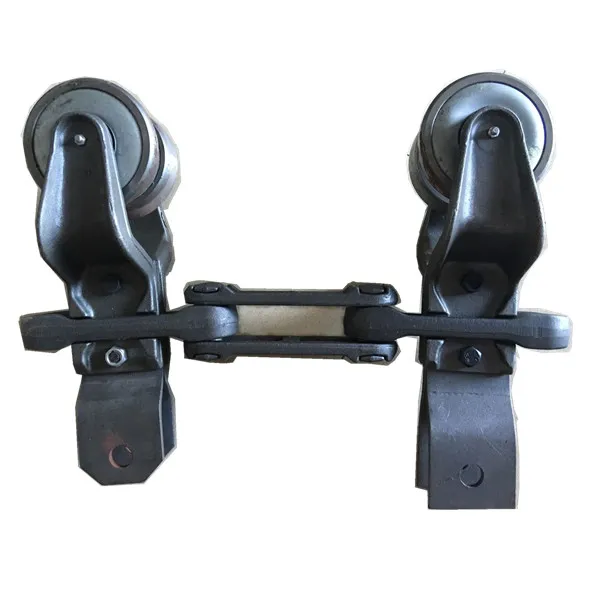
How do you calculate the required horsepower for a conveyor chain drive?
The calculation of required horsepower for a conveyor chain drive involves considering various factors related to the conveyor system and the specific application. Here is a step-by-step process:
1. Determine the Total Resistance:
– Calculate the total resistance that the conveyor chain needs to overcome during operation. This includes the resistance due to the load being conveyed, frictional losses, elevation changes, and any other resistances in the system.
2. Convert the Resistance to Equivalent Inertia:
– Convert the total resistance to an equivalent inertia by multiplying it by the square of the chain speed.
3. Calculate the Total Inertia:
– Determine the total inertia of the system by considering the inertia of all the rotating components, such as the conveyor chain, sprockets, and any other driven elements.
4. Determine the Required Torque:
– Calculate the required torque by multiplying the total inertia by the desired acceleration or deceleration rate.
5. Convert Torque to Horsepower:
– Convert the required torque to horsepower by dividing it by the motor speed (in RPM) and multiplying by a conversion factor.
6. Consider Safety Factors and Efficiency:
– Apply safety factors to the calculated horsepower to account for variations, contingencies, and future growth.
– Consider the efficiency of the drive system, including the motor, gearbox, and other transmission components, to ensure accurate power transmission.
It’s important to note that the above calculation method provides an estimate of the required horsepower. Consulting with conveyor system manufacturers, engineers, or industry-specific guidelines is recommended for precise calculations and to ensure the selected conveyor chain drive meets the application requirements.

What are the factors to consider when selecting the pitch of a conveyor chain?
When selecting the pitch of a conveyor chain, several factors need to be considered to ensure optimal performance and efficiency. Here are the key factors:
1. Load Capacity: The pitch of the conveyor chain should be selected based on the anticipated load capacity of the system. Consider the weight and size of the conveyed materials to ensure the chain can handle the required load without exceeding its capacity.
2. Speed and Application: The operating speed of the conveyor system and the specific application play a role in determining the pitch. Higher speeds may require smaller pitch chains to maintain smooth and reliable operation.
3. Conveyor Length: The length of the conveyor system affects the selection of the chain pitch. Longer conveyors may require larger pitch chains to distribute the load and reduce tension on individual chain links.
4. Space Constraints: Consider the available space for the conveyor system. Smaller pitch chains may be preferred in applications with limited space to minimize the overall footprint of the conveyor.
5. Wear and Maintenance: The pitch selection should also consider the anticipated wear and maintenance requirements. Smaller pitch chains often provide better wear resistance and may require less frequent lubrication and maintenance.
6. Speed Regulation: If the conveyor system requires speed regulation or precise positioning, the pitch selection should align with the control capabilities of the drive system. Smaller pitch chains can offer finer control and accuracy.
7. Compatibility: Ensure that the selected pitch is compatible with other components of the conveyor system, including sprockets, guides, and attachments. They should be designed to work together smoothly and efficiently.
8. Application Environment: Consider the environmental conditions in which the conveyor will operate. Factors such as temperature, humidity, corrosive substances, or abrasive materials may influence the choice of chain pitch and material to ensure durability and longevity.
By considering these factors, you can select the appropriate pitch for the conveyor chain, ensuring optimal performance, longevity, and reliable operation of the system.

What are the main components of a conveyor chain?
The main components of a conveyor chain include:
- Chain Links: Chain links are the individual components that make up the conveyor chain. They are typically made of metal and are connected to form a continuous loop. The design and configuration of the chain links can vary depending on the specific application and load requirements.
- Pins: Pins are the cylindrical components that hold the chain links together. They are inserted through the end of each chain link to create a solid connection. Pins are usually made of hardened steel to withstand the forces and friction within the conveyor system.
- Sprockets: Sprockets are toothed wheels that engage with the chain links and provide the driving force to move the conveyor chain. They are typically made of durable materials such as steel or plastic and are designed to match the pitch and profile of the conveyor chain. Sprockets come in various sizes and configurations depending on the desired speed and load capacity of the conveyor system.
- Guide Rails: Guide rails are stationary components installed along the conveyor path to guide and support the movement of the conveyor chain. They help maintain proper alignment and prevent the chain from derailing or deviating from its intended path.
- Tensioners: Tensioners are devices used to maintain the proper tension in the conveyor chain. They ensure that the chain remains taut and engaged with the sprockets, preventing slack or excessive sagging. Tensioners can be adjusted to accommodate variations in chain length and to compensate for wear over time.
- Attachments and Accessories: Depending on the specific application, conveyor chains may include various attachments and accessories. These can include cleats, flights, buckets, or other devices that aid in the movement and handling of specific types of materials. These attachments are typically secured to the chain links at specific intervals or locations.
The combination of these components creates a robust and reliable conveyor chain system capable of efficiently transporting materials in a wide range of industrial applications.


editor by CX 2024-04-16