Περιγραφή προϊόντος
Περιγραφή προϊόντος
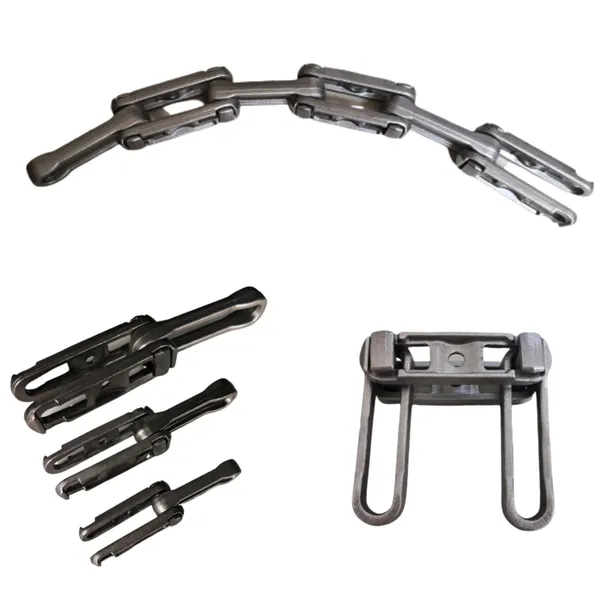
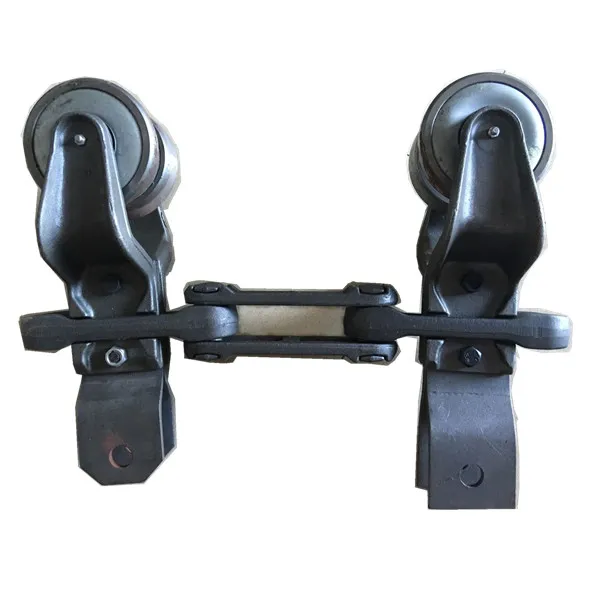
UH-5075-S series conveyor chains have excellent extensity and capable of making any turn on both horizontal planes and vertical planes. Based on the actual needs of various process flows, the conveyor has been deliberately designed to run across relatively long routes and abstruction objects to transmit the work pieces along the scheduled route all the way to their destinations. In this way, UH-5075 can integrae all separate production steps into an automatic production line, which has greatly improved efficiency and product quality level and strengthen the management as well.
Features:
Overhead trolley conveyors are used in wide range of applications, including: manufacturing and assembly, warehousing and distribution of the goods.
Overhead chain conveyors system can prove to be cost effective as they reduce the use of carriers and allows large volumes to move rapidly through a process.
Techncial Date
Kasin No. | UH-5075-S Standard chain | Heavy-duty chain
| UH-5075-HV Heavy-duty chain | UH-5075-HA Heavy-duty chain | |||||||||||||
Suspension Spacing (mm) | 150+(150× N) | 150+(150 × N) | 150+(150 × N) | 150+(150 × N) | |||||||||||||
Chain’s Weight (kg/m) | 4.2 | 4.58 | 4.83 | 5.3 | |||||||||||||
Single-span Weight (≤kg) | 35 | 40 | 45 | 50 | |||||||||||||
Chain’s Allowed Pull Force (≤kgf) | 3/8822 0571 -57152031 Fax: 86~/8822 0571 -57152030
Can a conveyor chain be used in cleanroom environments?Yes, conveyor chains can be used in cleanroom environments with proper selection and design considerations. Cleanroom environments require stringent control of airborne particles, such as dust, microbes, and contaminants, to maintain high levels of cleanliness. Here are some factors to consider when using a conveyor chain in a cleanroom: 1. Επιλογή Υλικού: – Choose a conveyor chain made from materials that are compatible with cleanroom requirements. Stainless steel, plastic, or special coatings are commonly used for their clean and non-contaminating properties. – Avoid materials that generate excessive particles or contaminants, such as certain types of lubricants or chain coatings. 2. Design Considerations: – Design the conveyor chain system to minimize particle generation. This includes smooth surfaces, rounded edges, and avoiding areas that can trap or accumulate particles. – Use sealed or enclosed chain designs to prevent the release of lubricants or contaminants. – Consider the integration of additional features, such as covers or guards, to further protect the chain and prevent particle ingress. 3. Cleaning and Maintenance: – Establish a cleaning and maintenance protocol specific to the cleanroom environment. This may include regular cleaning and sanitization procedures to maintain cleanliness standards. – Use cleaning agents and procedures that are approved for cleanroom use and do not introduce contaminants. – Regularly inspect the conveyor chain system for any signs of wear, damage, or contamination. Promptly address any issues to ensure the chain’s reliability and cleanliness. 4. Compliance with Cleanroom Standards: – Ensure that the conveyor chain system meets the cleanliness and particle generation requirements of the specific cleanroom standards or classifications in which it will be used. – Comply with relevant industry guidelines and regulations, such as ISO standards, when selecting and using conveyor chains in cleanroom environments. By considering these factors and implementing proper material selection, design considerations, cleaning protocols, and compliance with cleanroom standards, a conveyor chain can be effectively used in cleanroom environments while maintaining the required cleanliness levels.
What are the design considerations for a long-span conveyor chain conveyor?Designing a long-span conveyor chain conveyor requires careful consideration of various factors to ensure its efficiency, safety, and reliability. Here are some key design considerations: 1. Conveyor Chain Selection: Choose a conveyor chain that is suitable for long spans and can withstand the required load capacity. Consider factors such as chain material, pitch, strength, and durability to ensure it can handle the anticipated load and operating conditions. 2. Conveyor Structure: The conveyor structure should be designed to provide sufficient support and stability for the long span. Consider factors such as material strength, rigidity, and deflection to ensure the structure can handle the weight of the conveyor chain, the product being transported, and any additional loads. 3. Drive System: Select an appropriate drive system that can efficiently power the long-span conveyor chain. Consider factors such as motor power, speed, torque, and control mechanisms to ensure smooth and reliable operation. 4. Tensioning and Alignment: Proper tensioning and alignment of the conveyor chain are critical for its performance and longevity. Design the system with adequate provisions for tensioning devices and alignment mechanisms to maintain optimal chain tension and alignment throughout the conveyor’s length. 5. Supports and Bearings: Install adequate supports and bearings along the length of the conveyor to reduce chain sagging, minimize friction, and ensure smooth movement. Consider factors such as bearing type, lubrication, and maintenance requirements. 6. Conveyor Controls and Safety: Implement appropriate controls and safety features to monitor and control the operation of the long-span conveyor chain. This may include emergency stop systems, speed monitoring, overload protection, and safety interlocks. 7. Environmental Factors: Consider the environmental conditions in which the conveyor will operate, such as temperature, humidity, dust, and corrosive substances. Select materials and components that can withstand these conditions and implement proper ventilation, dust collection, and corrosion protection measures. 8. Maintenance and Accessibility: Design the conveyor system with ease of maintenance and accessibility in mind. Provide sufficient access points, walkways, and platforms for inspection, cleaning, and maintenance tasks. Consider factors such as lubrication points, conveyor cleaning systems, and easy replacement of worn components. 9. Future Expansion and Flexibility: Anticipate future needs for expansion or modifications and design the long-span conveyor chain conveyor with flexibility in mind. This may include allowing for additional conveyor sections, transfer points, or integration with other equipment. By considering these design considerations, a long-span conveyor chain conveyor can be efficiently designed and optimized for its intended application, ensuring reliable and cost-effective material handling operations.
Ποιες είναι οι παράμετροι κόστους κατά την αγορά μιας αλυσίδας μεταφοράς;Κατά την αγορά μιας αλυσίδας μεταφοράς, υπάρχουν αρκετές παράμετροι κόστους που πρέπει να ληφθούν υπόψη για να διασφαλιστεί η βέλτιστη επένδυση και η λειτουργική αποδοτικότητα. 1. Αρχικό Κόστος: Το αρχικό κόστος της αλυσίδας μεταφοράς περιλαμβάνει το κόστος της ίδιας της αλυσίδας, καθώς και τυχόν πρόσθετων εξαρτημάτων, όπως γρανάζια, εξαρτήματα και συνδετικούς κρίκους. Είναι σημαντικό να συγκρίνετε τις τιμές από διαφορετικούς προμηθευτές και να αξιολογήσετε τη συνολική σχέση ποιότητας-τιμής. 2. Κόστος Συντήρησης και Επισκευής: Λάβετε υπόψη το μακροπρόθεσμο κόστος συντήρησης και επισκευής που σχετίζεται με την αλυσίδα μεταφοράς. Ορισμένες αλυσίδες ενδέχεται να απαιτούν συχνότερη λίπανση ή αντικατάσταση εξαρτημάτων, γεγονός που μπορεί να αυξήσει τα συνολικά λειτουργικά έξοδα. 3. Διάρκεια ζωής: Η διάρκεια ζωής της αλυσίδας μεταφοράς είναι ένας ουσιαστικός παράγοντας για τον προσδιορισμό της οικονομικής της αποδοτικότητας. Οι αλυσίδες με μεγαλύτερη διάρκεια ζωής μπορεί να έχουν υψηλότερο αρχικό κόστος, αλλά μπορούν να οδηγήσουν σε χαμηλότερο κόστος αντικατάστασης και διακοπής λειτουργίας μακροπρόθεσμα. 4. Ενεργειακή Απόδοση: Η κατανάλωση ενέργειας είναι ένα διαρκές κόστος που πρέπει να λαμβάνεται υπόψη. Οι αλυσίδες μεταφοράς που προσφέρουν χαμηλότερη τριβή και αποτελεσματική μετάδοση ισχύος μπορούν να συμβάλουν στην εξοικονόμηση ενέργειας και στη μείωση των λειτουργικών εξόδων. 5. Ευκολία Συντήρησης: Λάβετε υπόψη την ευκολία συντήρησης κατά την επιλογή μιας αλυσίδας μεταφοράς. Οι αλυσίδες που καθαρίζονται, επιθεωρούνται και συντηρούνται πιο εύκολα μπορούν να μειώσουν το κόστος εργασίας και να αυξήσουν την λειτουργική αποδοτικότητα. 6. Συμβατότητα και Ενσωμάτωση: Βεβαιωθείτε ότι η επιλεγμένη αλυσίδα μεταφοράς είναι συμβατή με το υπάρχον σύστημα ή εξοπλισμό μεταφοράς. Η αναβάθμιση ή η τροποποίηση του συστήματος για να προσαρμόζεται σε μια συγκεκριμένη αλυσίδα ενδέχεται να συνεπάγεται πρόσθετο κόστος. 7. Υποστήριξη και Εγγύηση Προμηθευτή: Αξιολογήστε το επίπεδο τεχνικής υποστήριξης που παρέχεται από τον προμηθευτή και την κάλυψη εγγύησης που προσφέρεται για την αλυσίδα μεταφοράς. Αυτό μπορεί να επηρεάσει το συνολικό κόστος ιδιοκτησίας και να σας προσφέρει ηρεμία σε περίπτωση απρόβλεπτων προβλημάτων. Είναι σημαντικό να ληφθούν υπόψη αυτοί οι παράγοντες ολιστικά και να γίνει μια ανάλυση κόστους-οφέλους με βάση τις συγκεκριμένες απαιτήσεις της εφαρμογής. Η επιλογή μιας αλυσίδας μεταφοράς που ευθυγραμμίζεται με τον προϋπολογισμό, τις ανάγκες απόδοσης και τις μακροπρόθεσμες παραμέτρους κόστους θα βοηθήσει στη βελτιστοποίηση της επένδυσης και θα διασφαλίσει αποτελεσματικές λειτουργίες χειρισμού υλικών.
|