Produktbeskrivning
Produktbeskrivning
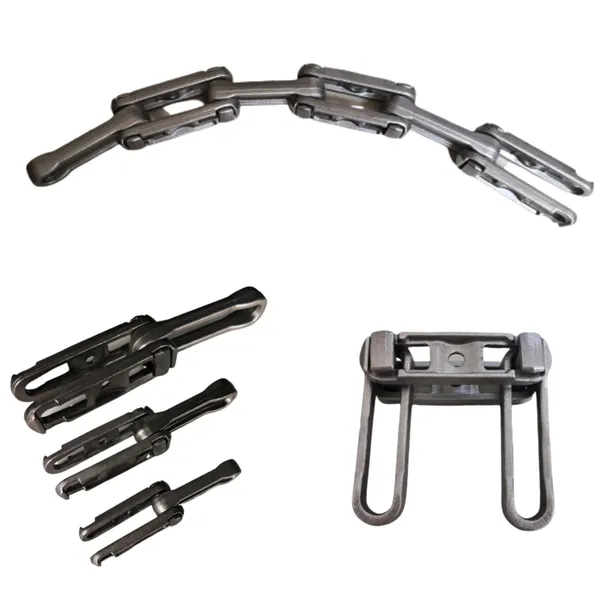
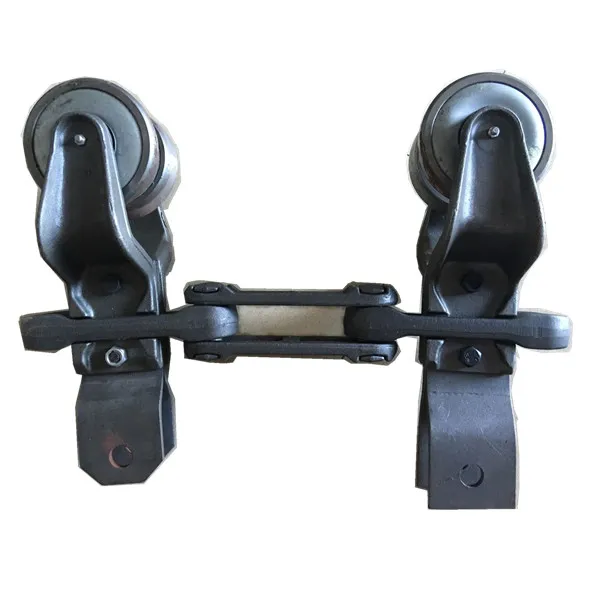
UH-5075-S series conveyor chains have excellent extensity and capable of making any turn on both horizontal planes and vertical planes. Based on the actual needs of various process flows, the conveyor has been deliberately designed to run across relatively long routes and abstruction objects to transmit the work pieces along the scheduled route all the way to their destinations. In this way, UH-5075 can integrae all separate production steps into an automatic production line, which has greatly improved efficiency and product quality level and strengthen the management as well.
Features:
Overhead trolley conveyors are used in wide range of applications, including: manufacturing and assembly, warehousing and distribution of the goods.
Overhead chain conveyors system can prove to be cost effective as they reduce the use of carriers and allows large volumes to move rapidly through a process.
Techncial Date
Kasin No. | UH-5075-S Standard chain | Heavy-duty chain
| UH-5075-HV Heavy-duty chain | UH-5075-HA Heavy-duty chain | |||||||||||||
Suspension Spacing (mm) | 150+(150× N) | 150+(150 × N) | 150+(150 × N) | 150+(150 × N) | |||||||||||||
Chain’s Weight (kg/m) | 4.2 | 4.58 | 4.83 | 5.3 | |||||||||||||
Single-span Weight (≤kg) | 35 | 40 | 45 | 50 | |||||||||||||
Chain’s Allowed Pull Force (≤kgf) | 3/8822 0571 -57152031 Fax: 86~/8822 0571 -57152030
Can a conveyor chain be used in cleanroom environments?Yes, conveyor chains can be used in cleanroom environments with proper selection and design considerations. Cleanroom environments require stringent control of airborne particles, such as dust, microbes, and contaminants, to maintain high levels of cleanliness. Here are some factors to consider when using a conveyor chain in a cleanroom: 1. Materialval: – Choose a conveyor chain made from materials that are compatible with cleanroom requirements. Stainless steel, plastic, or special coatings are commonly used for their clean and non-contaminating properties. – Avoid materials that generate excessive particles or contaminants, such as certain types of lubricants or chain coatings. 2. Design Considerations: – Design the conveyor chain system to minimize particle generation. This includes smooth surfaces, rounded edges, and avoiding areas that can trap or accumulate particles. – Use sealed or enclosed chain designs to prevent the release of lubricants or contaminants. – Consider the integration of additional features, such as covers or guards, to further protect the chain and prevent particle ingress. 3. Cleaning and Maintenance: – Establish a cleaning and maintenance protocol specific to the cleanroom environment. This may include regular cleaning and sanitization procedures to maintain cleanliness standards. – Use cleaning agents and procedures that are approved for cleanroom use and do not introduce contaminants. – Regularly inspect the conveyor chain system for any signs of wear, damage, or contamination. Promptly address any issues to ensure the chain’s reliability and cleanliness. 4. Compliance with Cleanroom Standards: – Ensure that the conveyor chain system meets the cleanliness and particle generation requirements of the specific cleanroom standards or classifications in which it will be used. – Comply with relevant industry guidelines and regulations, such as ISO standards, when selecting and using conveyor chains in cleanroom environments. By considering these factors and implementing proper material selection, design considerations, cleaning protocols, and compliance with cleanroom standards, a conveyor chain can be effectively used in cleanroom environments while maintaining the required cleanliness levels.
What are the design considerations for a long-span conveyor chain conveyor?Designing a long-span conveyor chain conveyor requires careful consideration of various factors to ensure its efficiency, safety, and reliability. Here are some key design considerations: 1. Conveyor Chain Selection: Choose a conveyor chain that is suitable for long spans and can withstand the required load capacity. Consider factors such as chain material, pitch, strength, and durability to ensure it can handle the anticipated load and operating conditions. 2. Conveyor Structure: The conveyor structure should be designed to provide sufficient support and stability for the long span. Consider factors such as material strength, rigidity, and deflection to ensure the structure can handle the weight of the conveyor chain, the product being transported, and any additional loads. 3. Drive System: Select an appropriate drive system that can efficiently power the long-span conveyor chain. Consider factors such as motor power, speed, torque, and control mechanisms to ensure smooth and reliable operation. 4. Tensioning and Alignment: Proper tensioning and alignment of the conveyor chain are critical for its performance and longevity. Design the system with adequate provisions for tensioning devices and alignment mechanisms to maintain optimal chain tension and alignment throughout the conveyor’s length. 5. Supports and Bearings: Install adequate supports and bearings along the length of the conveyor to reduce chain sagging, minimize friction, and ensure smooth movement. Consider factors such as bearing type, lubrication, and maintenance requirements. 6. Conveyor Controls and Safety: Implement appropriate controls and safety features to monitor and control the operation of the long-span conveyor chain. This may include emergency stop systems, speed monitoring, overload protection, and safety interlocks. 7. Environmental Factors: Consider the environmental conditions in which the conveyor will operate, such as temperature, humidity, dust, and corrosive substances. Select materials and components that can withstand these conditions and implement proper ventilation, dust collection, and corrosion protection measures. 8. Maintenance and Accessibility: Design the conveyor system with ease of maintenance and accessibility in mind. Provide sufficient access points, walkways, and platforms for inspection, cleaning, and maintenance tasks. Consider factors such as lubrication points, conveyor cleaning systems, and easy replacement of worn components. 9. Future Expansion and Flexibility: Anticipate future needs for expansion or modifications and design the long-span conveyor chain conveyor with flexibility in mind. This may include allowing for additional conveyor sections, transfer points, or integration with other equipment. By considering these design considerations, a long-span conveyor chain conveyor can be efficiently designed and optimized for its intended application, ensuring reliable and cost-effective material handling operations.
Vilka kostnadsöverväganden är att beakta när man köper en transportörkedja?När man köper en transportörkedja finns det flera kostnadsaspekter som måste beaktas för att säkerställa en optimal investering och driftseffektivitet. 1. Initialkostnad: Den initiala kostnaden för transportörkedjan inkluderar kostnaden för själva kedjan, samt eventuella ytterligare komponenter såsom kedjehjul, tillbehör och länkar. Det är viktigt att jämföra priser från olika leverantörer och utvärdera det totala värdet för pengarna. 2. Underhålls- och reparationskostnader: Tänk på de långsiktiga underhålls- och reparationskostnaderna som är förknippade med transportörkedjan. Vissa kedjor kan kräva mer frekvent smörjning eller utbyte av komponenter, vilket kan öka de totala driftskostnaderna. 3. Livslängd: Transportörkedjans livslängd är en viktig faktor för att fastställa dess kostnadseffektivitet. Kedjor med längre livslängd kan ha en högre initialkostnad men kan resultera i lägre kostnader för utbyte och stillestånd på lång sikt. 4. Energieffektivitet: Energiförbrukning är en löpande kostnad att beakta. Transportörkedjor som erbjuder lägre friktion och effektiv kraftöverföring kan bidra till energibesparingar och minska driftskostnaderna. 5. Enkelt underhåll: Tänk på hur enkelt underhållet är när du väljer en transportörkedja. Kedjor som är enklare att rengöra, inspektera och underhålla kan minska arbetskostnaderna och öka driftseffektiviteten. 6. Kompatibilitet och integration: Säkerställ att den valda transportkedjan är kompatibel med det befintliga transportörsystemet eller utrustningen. Att eftermontera eller modifiera systemet för att passa en specifik kedja kan medföra extra kostnader. 7. Leverantörssupport och garanti: Utvärdera nivån på den tekniska supporten som leverantören tillhandahåller och den garanti som erbjuds för transportörkedjan. Detta kan påverka den totala ägandekostnaden och ge trygghet vid oförutsedda problem. Det är viktigt att beakta dessa faktorer i ett helhetsperspektiv och göra en kostnads-nyttoanalys baserad på de specifika kraven för tillämpningen. Att välja en transportörkedja som överensstämmer med budget, prestandabehov och långsiktiga kostnadsöverväganden hjälper till att optimera investeringen och säkerställa effektiv materialhantering.
|