Өнім сипаттамасы
Өнім сипаттамасы
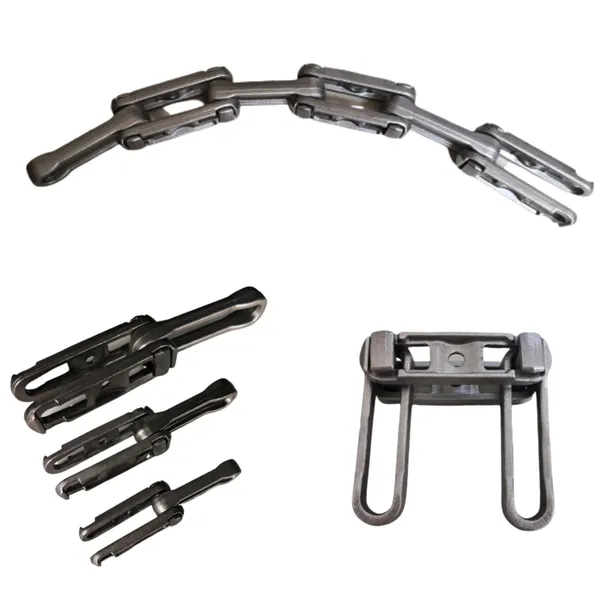
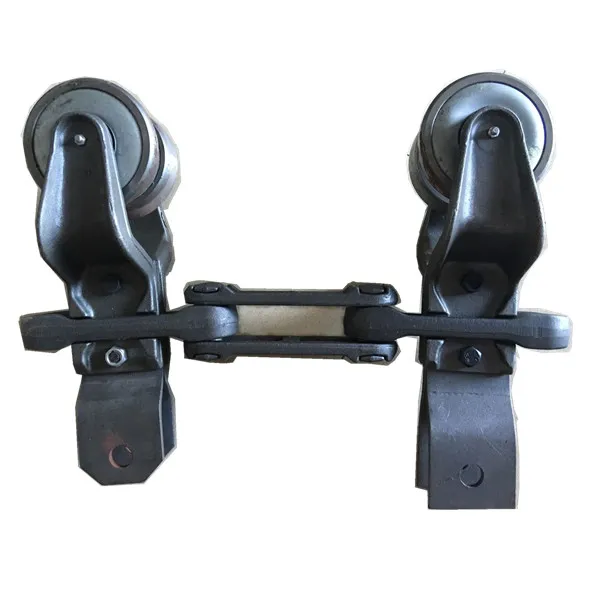
UH-5075-S series conveyor chains have excellent extensity and capable of making any turn on both horizontal planes and vertical planes. Based on the actual needs of various process flows, the conveyor has been deliberately designed to run across relatively long routes and abstruction objects to transmit the work pieces along the scheduled route all the way to their destinations. In this way, UH-5075 can integrae all separate production steps into an automatic production line, which has greatly improved efficiency and product quality level and strengthen the management as well.
Features:
Overhead trolley conveyors are used in wide range of applications, including: manufacturing and assembly, warehousing and distribution of the goods.
Overhead chain conveyors system can prove to be cost effective as they reduce the use of carriers and allows large volumes to move rapidly through a process.
Techncial Date
Kasin No. | UH-5075-S Standard chain | Heavy-duty chain
| UH-5075-HV Heavy-duty chain | UH-5075-HA Heavy-duty chain | |||||||||||||
Suspension Spacing (mm) | 150+(150× N) | 150+(150 × N) | 150+(150 × N) | 150+(150 × N) | |||||||||||||
Chain’s Weight (kg/m) | 4.2 | 4.58 | 4.83 | 5.3 | |||||||||||||
Single-span Weight (≤kg) | 35 | 40 | 45 | 50 | |||||||||||||
Chain’s Allowed Pull Force (≤kgf) | 3/8822 0571 -57152031 Fax: 86~/8822 0571 -57152030
Can a conveyor chain be used in cleanroom environments?Yes, conveyor chains can be used in cleanroom environments with proper selection and design considerations. Cleanroom environments require stringent control of airborne particles, such as dust, microbes, and contaminants, to maintain high levels of cleanliness. Here are some factors to consider when using a conveyor chain in a cleanroom: 1. Материалды таңдау: – Choose a conveyor chain made from materials that are compatible with cleanroom requirements. Stainless steel, plastic, or special coatings are commonly used for their clean and non-contaminating properties. – Avoid materials that generate excessive particles or contaminants, such as certain types of lubricants or chain coatings. 2. Design Considerations: – Design the conveyor chain system to minimize particle generation. This includes smooth surfaces, rounded edges, and avoiding areas that can trap or accumulate particles. – Use sealed or enclosed chain designs to prevent the release of lubricants or contaminants. – Consider the integration of additional features, such as covers or guards, to further protect the chain and prevent particle ingress. 3. Cleaning and Maintenance: – Establish a cleaning and maintenance protocol specific to the cleanroom environment. This may include regular cleaning and sanitization procedures to maintain cleanliness standards. – Use cleaning agents and procedures that are approved for cleanroom use and do not introduce contaminants. – Regularly inspect the conveyor chain system for any signs of wear, damage, or contamination. Promptly address any issues to ensure the chain’s reliability and cleanliness. 4. Compliance with Cleanroom Standards: – Ensure that the conveyor chain system meets the cleanliness and particle generation requirements of the specific cleanroom standards or classifications in which it will be used. – Comply with relevant industry guidelines and regulations, such as ISO standards, when selecting and using conveyor chains in cleanroom environments. By considering these factors and implementing proper material selection, design considerations, cleaning protocols, and compliance with cleanroom standards, a conveyor chain can be effectively used in cleanroom environments while maintaining the required cleanliness levels.
Ұзын аралықтағы конвейерлік тізбекті конвейердің конструкциясын қарастыру қандай?Ұзын аралықты конвейерлік тізбекті конвейерді жобалау оның тиімділігін, қауіпсіздігін және сенімділігін қамтамасыз ету үшін әртүрлі факторларды мұқият қарастыруды қажет етеді. Міне, кейбір негізгі жобалау мәселелері: 1. Конвейер тізбегін таңдау: Ұзын аралықтарға жарамды және қажетті жүктеме сыйымдылығына төтеп бере алатын конвейер тізбегін таңдаңыз. Күтілетін жүктеме мен жұмыс жағдайларына төтеп бере алатынына көз жеткізу үшін тізбек материалы, қадамы, беріктігі және төзімділігі сияқты факторларды ескеріңіз. 2. Конвейер құрылымы: Конвейер құрылымы ұзақ уақыт бойы жеткілікті тірек пен тұрақтылықты қамтамасыз ететіндей етіп жасалуы керек. Құрылымның конвейер тізбегінің салмағын, тасымалданатын өнімді және кез келген қосымша жүктемелерді көтере алатынына көз жеткізу үшін материалдың беріктігі, қаттылығы және ауытқуы сияқты факторларды ескеріңіз. 3. Жетек жүйесі: Ұзын конвейер тізбегін тиімді қуаттандыра алатын тиісті жетек жүйесін таңдаңыз. Тегіс және сенімді жұмыс істеуді қамтамасыз ету үшін қозғалтқыш қуаты, жылдамдық, айналу моменті және басқару механизмдері сияқты факторларды ескеріңіз. 4. Кернеу және туралау: Конвейер тізбегін дұрыс керу және туралау оның жұмыс істеуі мен ұзақ мерзімділігі үшін өте маңызды. Конвейердің бүкіл ұзындығы бойынша оңтайлы тізбектің керілуі мен туралануын сақтау үшін жүйені керу құрылғылары мен туралау механизмдеріне арналған жеткілікті құралдармен жобалаңыз. 5. Тіректер мен мойынтіректер: Тізбектің салбырауын азайту, үйкелісті азайту және тегіс қозғалысты қамтамасыз ету үшін конвейердің ұзындығы бойынша тиісті тіректер мен мойынтіректер орнатыңыз. Мойынтірек түрі, майлау және техникалық қызмет көрсету талаптары сияқты факторларды ескеріңіз. 6. Конвейерді басқару және қауіпсіздік: Ұзын аралықты конвейер тізбегінің жұмысын бақылау және басқару үшін тиісті басқару элементтері мен қауіпсіздік мүмкіндіктерін енгізіңіз. Бұған апаттық тоқтату жүйелері, жылдамдықты бақылау, шамадан тыс жүктемеден қорғау және қауіпсіздік блоктаулары кіруі мүмкін. 7. Қоршаған орта факторлары: Конвейер жұмыс істейтін қоршаған орта жағдайларын, мысалы, температураны, ылғалдылықты, шаңды және коррозиялық заттарды ескеріңіз. Осы жағдайларға төтеп бере алатын материалдар мен компоненттерді таңдап, тиісті желдету, шаңды жинау және коррозиядан қорғау шараларын қолданыңыз. 8. Техникалық қызмет көрсету және қолжетімділік: Конвейер жүйесін техникалық қызмет көрсетудің қарапайымдылығы мен қолжетімділігін ескере отырып жобалаңыз. Тексеру, тазалау және техникалық қызмет көрсету жұмыстары үшін жеткілікті кіру нүктелерін, жүру жолдарын және платформаларды қамтамасыз етіңіз. Майлау нүктелері, конвейерді тазалау жүйелері және тозған компоненттерді оңай ауыстыру сияқты факторларды ескеріңіз. 9. Болашақ кеңейту және икемділік: Кеңейту немесе модификациялаудың болашақ қажеттіліктерін болжап, икемділікті ескере отырып, ұзын аралықты конвейер тізбекті конвейерді жобалаңыз. Бұған қосымша конвейер секцияларын, беру нүктелерін немесе басқа жабдықпен интеграциялау кіруі мүмкін. Осы дизайн ерекшеліктерін ескере отырып, ұзын аралықты конвейерлік тізбекті конвейерді тиімді түрде жобалауға және мақсатты қолданылуына оңтайландыруға болады, бұл сенімді және үнемді материалдарды өңдеу операцияларын қамтамасыз етеді.
What are the cost considerations when purchasing a conveyor chain?When purchasing a conveyor chain, there are several cost considerations that need to be taken into account to ensure an optimal investment and operational efficiency. 1. Initial Cost: The initial cost of the conveyor chain includes the cost of the chain itself, as well as any additional components such as sprockets, attachments, and connecting links. It is important to compare prices from different suppliers and evaluate the overall value for the money. 2. Maintenance and Repair Costs: Consider the long-term maintenance and repair costs associated with the conveyor chain. Some chains may require more frequent lubrication or replacement of components, which can add to the overall operating expenses. 3. Service Life: The service life of the conveyor chain is an essential factor in determining its cost-effectiveness. Chains with longer service life may have a higher initial cost but can result in lower replacement and downtime costs in the long run. 4. Energy Efficiency: Energy consumption is an ongoing cost to consider. Conveyor chains that offer lower friction and efficient power transmission can contribute to energy savings and reduce operating expenses. 5. Maintenance Ease: Consider the ease of maintenance when selecting a conveyor chain. Chains that are easier to clean, inspect, and maintain can reduce labor costs and increase operational efficiency. 6. Compatibility and Integration: Ensure that the selected conveyor chain is compatible with the existing conveyor system or equipment. Retrofitting or modifying the system to accommodate a specific chain may incur additional costs. 7. Supplier Support and Warranty: Evaluate the level of technical support provided by the supplier and the warranty coverage offered for the conveyor chain. This can impact the overall cost of ownership and provide peace of mind in case of any unforeseen issues. It is important to consider these factors holistically and make a cost-benefit analysis based on the specific requirements of the application. Choosing a conveyor chain that aligns with the budget, performance needs, and long-term cost considerations will help optimize the investment and ensure efficient material handling operations.
|