Descrizione del prodotto
Descrizione del prodotto
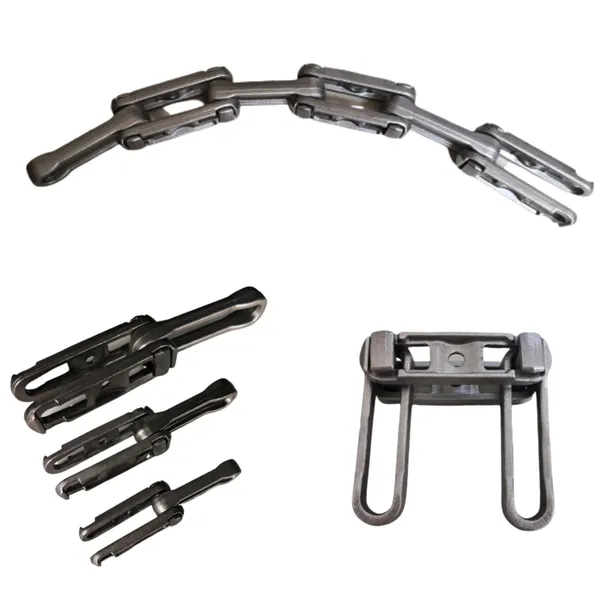
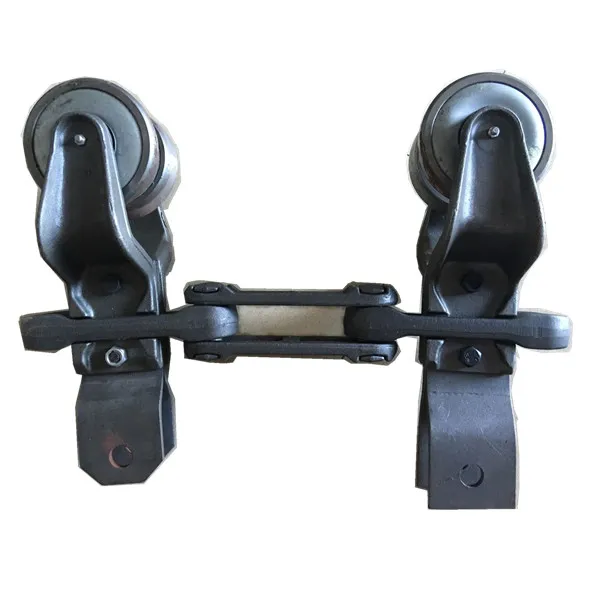
UH-5075-S series conveyor chains have excellent extensity and capable of making any turn on both horizontal planes and vertical planes. Based on the actual needs of various process flows, the conveyor has been deliberately designed to run across relatively long routes and abstruction objects to transmit the work pieces along the scheduled route all the way to their destinations. In this way, UH-5075 can integrae all separate production steps into an automatic production line, which has greatly improved efficiency and product quality level and strengthen the management as well.
Features:
Overhead trolley conveyors are used in wide range of applications, including: manufacturing and assembly, warehousing and distribution of the goods.
Overhead chain conveyors system can prove to be cost effective as they reduce the use of carriers and allows large volumes to move rapidly through a process.
Techncial Date
Kasin No. | UH-5075-S Standard chain | Heavy-duty chain
| UH-5075-HV Heavy-duty chain | UH-5075-HA Heavy-duty chain | |||||||||||||
Suspension Spacing (mm) | 150+(150× N) | 150+(150 × N) | 150+(150 × N) | 150+(150 × N) | |||||||||||||
Chain’s Weight (kg/m) | 4.2 | 4.58 | 4.83 | 5.3 | |||||||||||||
Single-span Weight (≤kg) | 35 | 40 | 45 | 50 | |||||||||||||
Chain’s Allowed Pull Force (≤kgf) | 3/8822 0571 -57152031 Fax: 86~/8822 0571 -57152030
Can a conveyor chain be used in cleanroom environments?Yes, conveyor chains can be used in cleanroom environments with proper selection and design considerations. Cleanroom environments require stringent control of airborne particles, such as dust, microbes, and contaminants, to maintain high levels of cleanliness. Here are some factors to consider when using a conveyor chain in a cleanroom: 1. Material Selection: – Choose a conveyor chain made from materials that are compatible with cleanroom requirements. Stainless steel, plastic, or special coatings are commonly used for their clean and non-contaminating properties. – Avoid materials that generate excessive particles or contaminants, such as certain types of lubricants or chain coatings. 2. Design Considerations: – Design the conveyor chain system to minimize particle generation. This includes smooth surfaces, rounded edges, and avoiding areas that can trap or accumulate particles. – Use sealed or enclosed chain designs to prevent the release of lubricants or contaminants. – Consider the integration of additional features, such as covers or guards, to further protect the chain and prevent particle ingress. 3. Cleaning and Maintenance: – Establish a cleaning and maintenance protocol specific to the cleanroom environment. This may include regular cleaning and sanitization procedures to maintain cleanliness standards. – Use cleaning agents and procedures that are approved for cleanroom use and do not introduce contaminants. – Regularly inspect the conveyor chain system for any signs of wear, damage, or contamination. Promptly address any issues to ensure the chain’s reliability and cleanliness. 4. Compliance with Cleanroom Standards: – Ensure that the conveyor chain system meets the cleanliness and particle generation requirements of the specific cleanroom standards or classifications in which it will be used. – Comply with relevant industry guidelines and regulations, such as ISO standards, when selecting and using conveyor chains in cleanroom environments. By considering these factors and implementing proper material selection, design considerations, cleaning protocols, and compliance with cleanroom standards, a conveyor chain can be effectively used in cleanroom environments while maintaining the required cleanliness levels.
Quali sono le considerazioni di progettazione per un trasportatore a catena di grande campata?La progettazione di un trasportatore a catena di grande campata richiede un'attenta valutazione di diversi fattori per garantirne efficienza, sicurezza e affidabilità. Ecco alcuni aspetti chiave da considerare in fase di progettazione: 1. Selezione della catena del trasportatore: Scegliere una catena del trasportatore adatta a lunghe campate e in grado di sopportare il carico richiesto. Considerare fattori quali il materiale della catena, il passo, la resistenza e la durata per assicurarsi che possa gestire il carico previsto e le condizioni operative. 2. Struttura del trasportatore: La struttura del trasportatore deve essere progettata per fornire un supporto e una stabilità sufficienti per la sua lunga campata. È necessario considerare fattori quali la resistenza del materiale, la rigidità e la flessione per garantire che la struttura possa sopportare il peso della catena del trasportatore, del prodotto trasportato e di eventuali carichi aggiuntivi. 3. Sistema di azionamento: Selezionare un sistema di azionamento adeguato in grado di alimentare in modo efficiente la catena trasportatrice di grande campata. Considerare fattori quali potenza del motore, velocità, coppia e meccanismi di controllo per garantire un funzionamento fluido e affidabile. 4. Tensionamento e allineamento: Un corretto tensionamento e allineamento della catena del trasportatore sono fondamentali per le sue prestazioni e la sua durata. Progettare il sistema con dispositivi di tensionamento e meccanismi di allineamento adeguati per mantenere una tensione e un allineamento ottimali della catena lungo tutta la lunghezza del trasportatore. 5. Supporti e cuscinetti: Installare supporti e cuscinetti adeguati lungo tutta la lunghezza del trasportatore per ridurre l'abbassamento della catena, minimizzare l'attrito e garantire un movimento fluido. Considerare fattori quali il tipo di cuscinetto, la lubrificazione e i requisiti di manutenzione. 6. Controlli e sicurezza del trasportatore: Implementare controlli e dispositivi di sicurezza appropriati per monitorare e controllare il funzionamento della catena del trasportatore a lunga campata. Ciò può includere sistemi di arresto di emergenza, monitoraggio della velocità, protezione da sovraccarico e interblocchi di sicurezza. 7. Fattori ambientali: Considerare le condizioni ambientali in cui opererà il trasportatore, come temperatura, umidità, polvere e sostanze corrosive. Selezionare materiali e componenti in grado di resistere a tali condizioni e implementare adeguate misure di ventilazione, aspirazione delle polveri e protezione dalla corrosione. 8. Manutenzione e accessibilità: Progettare il sistema di trasporto tenendo conto della facilità di manutenzione e accessibilità. Prevedere un numero sufficiente di punti di accesso, passerelle e piattaforme per le attività di ispezione, pulizia e manutenzione. Considerare fattori quali punti di lubrificazione, sistemi di pulizia del nastro trasportatore e facilità di sostituzione dei componenti usurati. 9. Espansione futura e flessibilità: Prevedere le future esigenze di espansione o modifica e progettare il trasportatore a catena a lunga campata tenendo conto della flessibilità. Ciò può includere la possibilità di aggiungere sezioni di trasporto, punti di trasferimento o l'integrazione con altre apparecchiature. Tenendo conto di questi aspetti progettuali, un trasportatore a catena di grande campata può essere progettato e ottimizzato in modo efficiente per l'applicazione prevista, garantendo operazioni di movimentazione dei materiali affidabili ed economicamente vantaggiose.
Quali sono i costi da considerare quando si acquista una catena di trasporto?Quando si acquista una catena di trasporto, è necessario tenere conto di diversi fattori relativi ai costi per garantire un investimento ottimale e un'efficienza operativa elevata. 1. Costo iniziale: Il costo iniziale della catena di trasporto comprende il costo della catena stessa, nonché di eventuali componenti aggiuntivi come pignoni, accessori e maglie di collegamento. È importante confrontare i prezzi di diversi fornitori e valutare il rapporto qualità-prezzo complessivo. 2. Costi di manutenzione e riparazione: Considerate i costi di manutenzione e riparazione a lungo termine associati alla catena di trasporto. Alcune catene potrebbero richiedere una lubrificazione più frequente o la sostituzione di componenti, il che può aumentare le spese operative complessive. 3. Durata di servizio: La durata di servizio della catena di trasporto è un fattore essenziale per determinarne la convenienza economica. Le catene con una durata di servizio più lunga possono avere un costo iniziale più elevato, ma possono comportare minori costi di sostituzione e di fermo macchina nel lungo periodo. 4. Efficienza energetica: il consumo di energia è un costo continuo da considerare. Le catene di trasporto che offrono un attrito inferiore e una trasmissione di potenza efficiente possono contribuire al risparmio energetico e alla riduzione delle spese operative. 5. Facilità di manutenzione: Quando si sceglie una catena di trasporto, è importante considerare la facilità di manutenzione. Le catene più facili da pulire, ispezionare e manutenere possono ridurre i costi di manodopera e aumentare l'efficienza operativa. 6. Compatibilità e integrazione: Assicurarsi che la catena di trasporto selezionata sia compatibile con il sistema o l'attrezzatura di trasporto esistente. L'adattamento o la modifica del sistema per ospitare una catena specifica potrebbe comportare costi aggiuntivi. 7. Assistenza e garanzia del fornitore: Valutate il livello di supporto tecnico fornito dal fornitore e la copertura di garanzia offerta per la catena di trasporto. Questo può influire sul costo totale di proprietà e offrire tranquillità in caso di problemi imprevisti. È importante valutare questi fattori in modo olistico ed effettuare un'analisi costi-benefici basata sui requisiti specifici dell'applicazione. La scelta di una catena di trasporto in linea con il budget, le esigenze di prestazioni e le considerazioni sui costi a lungo termine contribuirà a ottimizzare l'investimento e a garantire operazioni di movimentazione dei materiali efficienti.
|