คำอธิบายผลิตภัณฑ์
คำอธิบายผลิตภัณฑ์
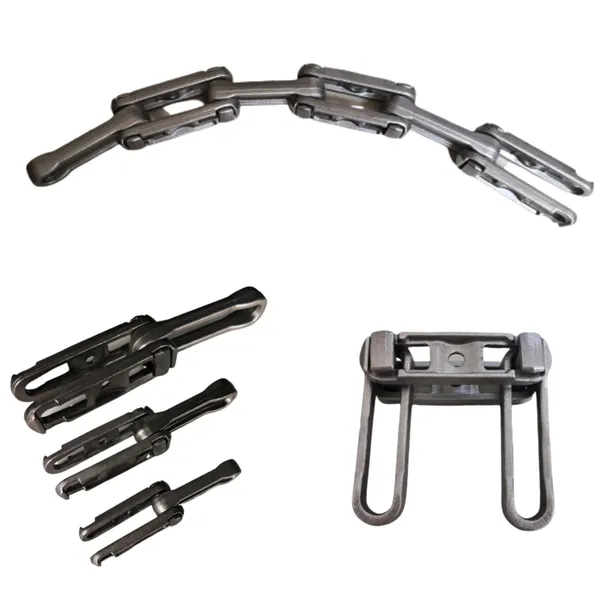
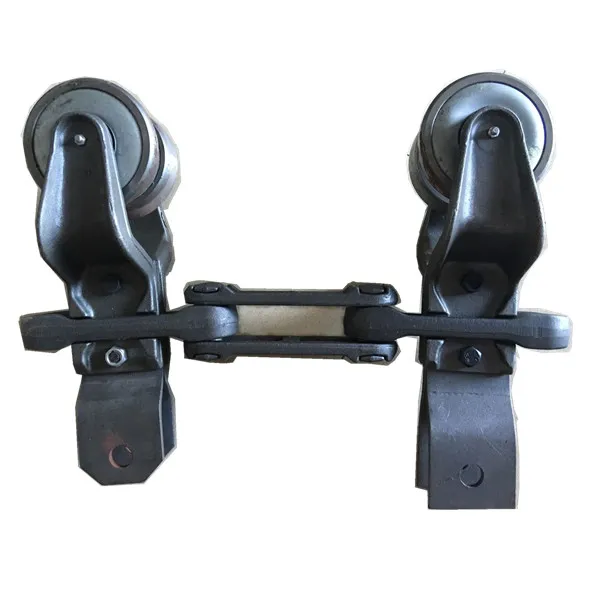
UH-5075-S series conveyor chains have excellent extensity and capable of making any turn on both horizontal planes and vertical planes. Based on the actual needs of various process flows, the conveyor has been deliberately designed to run across relatively long routes and abstruction objects to transmit the work pieces along the scheduled route all the way to their destinations. In this way, UH-5075 can integrae all separate production steps into an automatic production line, which has greatly improved efficiency and product quality level and strengthen the management as well.
Features:
Overhead trolley conveyors are used in wide range of applications, including: manufacturing and assembly, warehousing and distribution of the goods.
Overhead chain conveyors system can prove to be cost effective as they reduce the use of carriers and allows large volumes to move rapidly through a process.
Techncial Date
Kasin No. | UH-5075-S Standard chain | Heavy-duty chain
| UH-5075-HV Heavy-duty chain | UH-5075-HA Heavy-duty chain | |||||||||||||
Suspension Spacing (mm) | 150+(150× N) | 150+(150 × N) | 150+(150 × N) | 150+(150 × N) | |||||||||||||
Chain’s Weight (kg/m) | 4.2 | 4.58 | 4.83 | 5.3 | |||||||||||||
Single-span Weight (≤kg) | 35 | 40 | 45 | 50 | |||||||||||||
Chain’s Allowed Pull Force (≤kgf) | 3/8822 0571 -57152031 Fax: 86~/8822 0571 -57152030
Can a conveyor chain be used in cleanroom environments?Yes, conveyor chains can be used in cleanroom environments with proper selection and design considerations. Cleanroom environments require stringent control of airborne particles, such as dust, microbes, and contaminants, to maintain high levels of cleanliness. Here are some factors to consider when using a conveyor chain in a cleanroom: 1. การเลือกวัสดุ: – Choose a conveyor chain made from materials that are compatible with cleanroom requirements. Stainless steel, plastic, or special coatings are commonly used for their clean and non-contaminating properties. – Avoid materials that generate excessive particles or contaminants, such as certain types of lubricants or chain coatings. 2. Design Considerations: – Design the conveyor chain system to minimize particle generation. This includes smooth surfaces, rounded edges, and avoiding areas that can trap or accumulate particles. – Use sealed or enclosed chain designs to prevent the release of lubricants or contaminants. – Consider the integration of additional features, such as covers or guards, to further protect the chain and prevent particle ingress. 3. Cleaning and Maintenance: – Establish a cleaning and maintenance protocol specific to the cleanroom environment. This may include regular cleaning and sanitization procedures to maintain cleanliness standards. – Use cleaning agents and procedures that are approved for cleanroom use and do not introduce contaminants. – Regularly inspect the conveyor chain system for any signs of wear, damage, or contamination. Promptly address any issues to ensure the chain’s reliability and cleanliness. 4. Compliance with Cleanroom Standards: – Ensure that the conveyor chain system meets the cleanliness and particle generation requirements of the specific cleanroom standards or classifications in which it will be used. – Comply with relevant industry guidelines and regulations, such as ISO standards, when selecting and using conveyor chains in cleanroom environments. By considering these factors and implementing proper material selection, design considerations, cleaning protocols, and compliance with cleanroom standards, a conveyor chain can be effectively used in cleanroom environments while maintaining the required cleanliness levels.
ปัจจัยในการออกแบบสายพานลำเลียงแบบโซ่ช่วงยาวมีอะไรบ้าง?การออกแบบสายพานลำเลียงแบบช่วงยาวจำเป็นต้องพิจารณาปัจจัยต่างๆ อย่างรอบคอบเพื่อให้มั่นใจถึงประสิทธิภาพ ความปลอดภัย และความน่าเชื่อถือ ต่อไปนี้คือข้อควรพิจารณาที่สำคัญบางประการในการออกแบบ: 1. การเลือกโซ่ลำเลียง: เลือกโซ่ลำเลียงที่เหมาะสมสำหรับช่วงความยาวมากและสามารถรับน้ำหนักได้ตามต้องการ พิจารณาปัจจัยต่างๆ เช่น วัสดุของโซ่ ระยะห่างของฟันโซ่ ความแข็งแรง และความทนทาน เพื่อให้แน่ใจว่าสามารถรับน้ำหนักและสภาพการใช้งานที่คาดการณ์ไว้ได้ 2. โครงสร้างสายพานลำเลียง: โครงสร้างสายพานลำเลียงควรได้รับการออกแบบให้มีการรองรับและความมั่นคงที่เพียงพอสำหรับช่วงความยาวที่ยาว พิจารณาปัจจัยต่างๆ เช่น ความแข็งแรงของวัสดุ ความแข็งแกร่ง และการโก่งตัว เพื่อให้แน่ใจว่าโครงสร้างสามารถรับน้ำหนักของโซ่สายพานลำเลียง ผลิตภัณฑ์ที่ขนส่ง และน้ำหนักบรรทุกเพิ่มเติมใดๆ ได้ 3. ระบบขับเคลื่อน: เลือกใช้ระบบขับเคลื่อนที่เหมาะสมซึ่งสามารถส่งกำลังไปยังสายพานลำเลียงแบบยาวได้อย่างมีประสิทธิภาพ พิจารณาปัจจัยต่างๆ เช่น กำลังมอเตอร์ ความเร็ว แรงบิด และกลไกควบคุม เพื่อให้มั่นใจได้ถึงการทำงานที่ราบรื่นและเชื่อถือได้ 4. การปรับความตึงและการจัดแนว: การปรับความตึงและการจัดแนวโซ่สายพานลำเลียงอย่างเหมาะสมนั้นมีความสำคัญอย่างยิ่งต่อประสิทธิภาพและอายุการใช้งานของระบบ ควรออกแบบระบบโดยคำนึงถึงอุปกรณ์ปรับความตึงและกลไกการจัดแนวที่เพียงพอ เพื่อรักษาระดับความตึงและการจัดแนวของโซ่ให้เหมาะสมตลอดความยาวของสายพานลำเลียง 5. ตัวรองรับและตลับลูกปืน: ติดตั้งตัวรองรับและตลับลูกปืนที่เหมาะสมตลอดความยาวของสายพานลำเลียง เพื่อลดการหย่อนของโซ่ ลดแรงเสียดทาน และรับประกันการเคลื่อนที่ที่ราบรื่น พิจารณาปัจจัยต่างๆ เช่น ประเภทของตลับลูกปืน การหล่อลื่น และข้อกำหนดในการบำรุงรักษา 6. การควบคุมและความปลอดภัยของสายพานลำเลียง: ติดตั้งระบบควบคุมและคุณสมบัติความปลอดภัยที่เหมาะสมเพื่อตรวจสอบและควบคุมการทำงานของสายพานลำเลียงแบบยาว ซึ่งอาจรวมถึงระบบหยุดฉุกเฉิน การตรวจสอบความเร็ว การป้องกันการโอเวอร์โหลด และระบบล็อกเพื่อความปลอดภัย 7. ปัจจัยด้านสิ่งแวดล้อม: พิจารณาสภาพแวดล้อมที่สายพานลำเลียงจะทำงาน เช่น อุณหภูมิ ความชื้น ฝุ่น และสารกัดกร่อน เลือกวัสดุและส่วนประกอบที่สามารถทนต่อสภาวะเหล่านี้ได้ และติดตั้งระบบระบายอากาศ ระบบดักจับฝุ่น และมาตรการป้องกันการกัดกร่อนที่เหมาะสม 8. การบำรุงรักษาและการเข้าถึง: ออกแบบระบบสายพานลำเลียงโดยคำนึงถึงความสะดวกในการบำรุงรักษาและการเข้าถึง จัดให้มีจุดเข้าถึง ทางเดิน และแท่นวางที่เพียงพอสำหรับการตรวจสอบ การทำความสะอาด และงานบำรุงรักษา พิจารณาปัจจัยต่างๆ เช่น จุดหล่อลื่น ระบบทำความสะอาดสายพานลำเลียง และการเปลี่ยนชิ้นส่วนที่สึกหรอได้ง่าย 9. การขยายและความยืดหยุ่นในอนาคต: คาดการณ์ความต้องการในการขยายหรือดัดแปลงในอนาคต และออกแบบสายพานลำเลียงแบบยาวโดยคำนึงถึงความยืดหยุ่นเป็นสำคัญ ซึ่งอาจรวมถึงการเพิ่มส่วนสายพานลำเลียง จุดถ่ายโอน หรือการบูรณาการกับอุปกรณ์อื่นๆ ด้วยการพิจารณาปัจจัยการออกแบบเหล่านี้ สายพานลำเลียงแบบโซ่ช่วงยาวจึงสามารถออกแบบและปรับให้เหมาะสมกับการใช้งานที่ต้องการได้อย่างมีประสิทธิภาพ ทำให้มั่นใจได้ว่าการลำเลียงวัสดุจะมีความน่าเชื่อถือและคุ้มค่า
What are the cost considerations when purchasing a conveyor chain?When purchasing a conveyor chain, there are several cost considerations that need to be taken into account to ensure an optimal investment and operational efficiency. 1. Initial Cost: The initial cost of the conveyor chain includes the cost of the chain itself, as well as any additional components such as sprockets, attachments, and connecting links. It is important to compare prices from different suppliers and evaluate the overall value for the money. 2. Maintenance and Repair Costs: Consider the long-term maintenance and repair costs associated with the conveyor chain. Some chains may require more frequent lubrication or replacement of components, which can add to the overall operating expenses. 3. Service Life: The service life of the conveyor chain is an essential factor in determining its cost-effectiveness. Chains with longer service life may have a higher initial cost but can result in lower replacement and downtime costs in the long run. 4. Energy Efficiency: Energy consumption is an ongoing cost to consider. Conveyor chains that offer lower friction and efficient power transmission can contribute to energy savings and reduce operating expenses. 5. Maintenance Ease: Consider the ease of maintenance when selecting a conveyor chain. Chains that are easier to clean, inspect, and maintain can reduce labor costs and increase operational efficiency. 6. Compatibility and Integration: Ensure that the selected conveyor chain is compatible with the existing conveyor system or equipment. Retrofitting or modifying the system to accommodate a specific chain may incur additional costs. 7. Supplier Support and Warranty: Evaluate the level of technical support provided by the supplier and the warranty coverage offered for the conveyor chain. This can impact the overall cost of ownership and provide peace of mind in case of any unforeseen issues. It is important to consider these factors holistically and make a cost-benefit analysis based on the specific requirements of the application. Choosing a conveyor chain that aligns with the budget, performance needs, and long-term cost considerations will help optimize the investment and ensure efficient material handling operations.
|