Deskripsi Produk
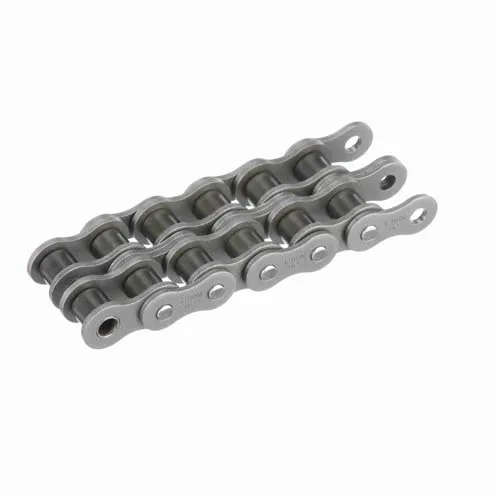
We are Double Pitch Conveyor Chain Manufacturer and always supplying Conveyor chains with competitive price,high quality and regular basis.
These Conveyor chains are used in conveyor applications when loads are low and speeds are moderate. They are similar to the Double-Pitch Power Transmission chains, but with link plates that have an oval contour, and can be produced with either standard or over-sized rollers. They are most often found working on conveyors of all shapes and sizes and can be supplied with 1 or more of our many attachments to carry or convey products.
| ISO Chain No. | ANSI Chain No. | Melempar | Roller diameter | Width between innerplates | Diameter pin | Panjang pin | Inner plate depth | Ketebalan pelat | Ultimate tensile strength | Kekuatan tarik rata-rata | |
| p | d1 max | b1 menit | d2 maks | L max | Lc max | h2 max | T maks | Q menit | Qo | ||
| m m | m m | m m | m m | m m | m m | m m | m m | kN/bf | kN | ||
| C208A C208AL | C2040 C2042 | 25.40 | 7.95 15.88 | 7.85 | 3.96 | 16.6 | 17.8 | 12.0 | 1.50 | 14.1/3205 | 16.7 |
| C208AH | C2040H | 25.40 | 7.95 | 7.85 | 3.96 | 18.8 | 19.9 | 12.0 | 2.03 | 14.1/3205 | 17.2 |
| C208B C208BL | 25.40 | 8.51 15.88 | 7.75 | 4.45 | 16.7 | 18.2 | 11.8 | 1.60 | 18.0/4091 | 19.4 | |
| C210A C210AL | C2050 C2052 | 31.75 | 10.16 19.05 | 9.40 | 5.08 | 20.7 | 22.2 | 15.0 | 2.03 | 22.2/5045 | 28.1 |
| C212A C212AL | C2060 C2062 | 38.10 | 11.91 22.23 | 12.57 | 5.94 | 25.9 | 27.7 | 18.0 | 2.42 | 31.8/7227 | 36.8 |
| C212AH C212AHL | C2060H C2062H | 38.10 | 11.91 22.23 | 12.57 | 5.94 | 29.2 | 31.6 | 18.0 | 3.25 | 31.8/7227 | 41.6 |
| C216A C216AL | C2080 C2082 | 50.80 | 15.88 28.58 | 15.75 | 7.92 | 32.7 | 36.5 | 24.0| | 3.25 | 56.7/12886 | 65.7 |
| C216AH C216AHL | C2080H C2082H | 50.80 | 15.88 28.58 | 15.75 | 7.92 | 36.2 | 39.4 | 24.0 | 4.00 | 56.7/12886 | 70.0 |
| C220A C220AL | C2100 C2102 | 63.50 | 19.05 39.67 | 18.90 | 9.53 | 40.4 | 44.7 | 30.0 | 4.00 | 88.5/20114 | 102.6 |
| C220AH C220AHL | C2100H C2102H | 63.50 | 19.05 39.67 | 18.90 | 9.53 | 43.6 | 46.9 | 30.0 | 4.80 | 88.5/20114 | 112.4 |
| C224A C224AL | C2120 C2122 | 76.20 | 22.23 44.45 | 25.22 | 11.10 | 50.3 | 54.3 | 35.7 | 4.80 | 127.0/28864 | 147.3 |
| C224AH C224AHL | C2120H C2122H | 76.20 | 22.23 44.45 | 25.22 | 11.10 | 53.5 | 57.5 | 35.7 | 5.60 | 127.0/28864 | 160.9 |
| C232A C232AL | C2160 C2162 | 101.60 | 28.58 57.15 | 31.75 | 14.27 | 64.8 | 69.6 | 47.8 | 6.40 | 226.8/51545 | 278.9 |
| C232AH C232AHL | C2160H C2162H | 101.60 | 28.58 57.15 | 31.75 | 14.27 | 68.2 | 73.0 | 47.8 | 7.20 | 226.8/51545 | 285.8 |
| Bahan: | Alloy Steel/Carbon Steel/ Stainless Steel |
|---|---|
| Struktur: | Rantai Rol |
| Perlakuan Permukaan: | Baking Paint , Oxygenation, Electroplating, Polish |
| Ukuran Rantai: | Customized |
| Fitur: | Fire Resistant, Oil Resistant, Heat Resistant |
| Width Between Inner Plates: | 7.85 – 31.75mm |
| Kustomisasi: | Tersedia | Permintaan Khusus |
|---|

What are the considerations for selecting a corrosion-resistant conveyor chain?
When selecting a corrosion-resistant conveyor chain, several considerations should be taken into account to ensure optimal performance and longevity in corrosive environments. Here are the key factors to consider:
– Material Selection:
Choose a conveyor chain material that is resistant to the specific corrosive agents present in the environment. Stainless steel, plastic, and special coatings such as zinc or nickel plating are commonly used for their corrosion resistance properties.
– Corrosion Resistance Ratings:
Review the corrosion resistance ratings of different chain materials and coatings. Look for industry standards such as ASTM or ISO ratings that indicate the material’s resistance to specific corrosive substances or environmental conditions.
– Environmental Factors:
Consider the specific environmental factors that contribute to corrosion, such as humidity, temperature, presence of chemicals or solvents, and exposure to saltwater or acids. Evaluate how these factors may impact the chain’s corrosion resistance requirements.
– Coating or Surface Treatment:
If using a metal chain, consider applying additional coatings or surface treatments to enhance its corrosion resistance. Options may include electroplating, powder coating, or using specialized anti-corrosion coatings.
– Compatibility with Cleaning Methods:
Ensure that the selected chain material is compatible with the cleaning methods and chemicals used in the application. Some corrosive-resistant materials may require specific cleaning procedures to maintain their performance and longevity.
– Operational Considerations:
Take into account the load capacity, speed, and operational requirements of the conveyor system. Ensure that the corrosion-resistant chain can withstand the mechanical stresses and operational demands without compromising its corrosion resistance properties.
– Cost-Effectiveness:
Weigh the initial cost and long-term benefits of using a corrosion-resistant conveyor chain. While corrosion-resistant materials may have a higher upfront cost, they can significantly reduce maintenance, replacement, and downtime costs associated with corrosion-related failures.
By considering these factors, you can select a corrosion-resistant conveyor chain that is well-suited for the specific corrosive environment, ensuring reliable and durable performance in applications such as chemical processing, food production, wastewater treatment, or outdoor environments.
Apa saja manfaat menggunakan sistem rantai konveyor modular?
Sistem rantai konveyor modular menawarkan beberapa keuntungan dalam hal fleksibilitas, efisiensi, dan kemudahan perawatan. Berikut beberapa keunggulan utamanya:
1. Fleksibilitas: Rantai konveyor modular dirancang dengan modul yang saling terkait sehingga mudah dihubungkan dan dilepas. Hal ini memungkinkan fleksibilitas dalam mengkonfigurasi sistem konveyor sesuai dengan persyaratan tata letak tertentu, kebutuhan produksi, atau keterbatasan ruang. Modul dapat ditambahkan, dihapus, atau diposisikan ulang untuk mengakomodasi perubahan proses produksi atau variasi produk.
2. Kemampuan Kustomisasi: Desain modular sistem rantai konveyor memungkinkan kustomisasi untuk memenuhi persyaratan aplikasi spesifik. Tersedia berbagai jenis modul, termasuk bagian lurus, lengkung, tanjakan, penurunan, penggabungan, dan pengalih. Aksesori seperti pemandu samping, klem, atau penahan produk dapat dengan mudah diintegrasikan ke dalam sistem.
3. Pemasangan dan Modifikasi Cepat: Rantai konveyor modular dirancang untuk pemasangan dan modifikasi yang mudah. Dengan koneksi snap-in atau snap-on, modul dapat dirakit atau dibongkar dengan cepat, mengurangi waktu henti selama pengaturan atau konfigurasi ulang sistem. Fitur ini juga mempermudah perawatan, perbaikan, atau perluasan di masa mendatang.
4. Peningkatan Efisiensi: Modularitas sistem rantai konveyor memungkinkan penanganan material yang efisien dan alur kerja yang optimal. Perpindahan yang lancar antar modul meminimalkan kemacetan atau ketidaksejajaran produk, memastikan aliran material yang berkelanjutan dan konsisten. Kemampuan untuk menggabungkan kurva atau kemiringan dalam sistem memungkinkan penggunaan ruang lantai yang efisien dan memfasilitasi pergerakan produk melalui ketinggian yang berbeda.
5. Perawatan Mudah: Sistem rantai konveyor modular dirancang agar mudah dirawat. Modul individual dapat diakses dan diganti dengan mudah tanpa membongkar seluruh sistem. Hal ini mengurangi waktu dan biaya perawatan. Selain itu, struktur terbuka modul memungkinkan pembersihan, pembuangan kotoran, dan inspeksi yang mudah.
6. Daya Tahan dan Keandalan: Rantai konveyor modular biasanya terbuat dari bahan berkualitas tinggi seperti plastik atau baja tahan karat, sehingga menjamin daya tahan dan kinerja jangka panjang. Rantai ini tahan terhadap keausan, korosi, dan kerusakan kimia, sehingga cocok untuk berbagai lingkungan industri. Desain yang saling mengunci memberikan stabilitas dan mencegah selip rantai selama pengoperasian.
7. Fitur Keselamatan: Sistem rantai konveyor modular dapat menggabungkan fitur keselamatan seperti tombol berhenti darurat, pelindung keselamatan, atau sensor untuk mendeteksi penyumbatan atau beban berlebih. Fitur-fitur ini membantu menjaga lingkungan kerja yang aman bagi operator dan melindungi integritas produk yang diangkut.
Secara keseluruhan, sistem rantai konveyor modular menawarkan fleksibilitas, kemampuan kustomisasi, efisiensi, dan kemudahan perawatan. Ini adalah solusi yang andal untuk penanganan material di berbagai industri seperti manufaktur, pengemasan, distribusi, dan logistik.
What are the main components of a conveyor chain?
The main components of a conveyor chain include:
- Chain Links: Chain links are the individual components that make up the conveyor chain. They are typically made of metal and are connected to form a continuous loop. The design and configuration of the chain links can vary depending on the specific application and load requirements.
- Pins: Pins are the cylindrical components that hold the chain links together. They are inserted through the end of each chain link to create a solid connection. Pins are usually made of hardened steel to withstand the forces and friction within the conveyor system.
- Sprockets: Sprockets are toothed wheels that engage with the chain links and provide the driving force to move the conveyor chain. They are typically made of durable materials such as steel or plastic and are designed to match the pitch and profile of the conveyor chain. Sprockets come in various sizes and configurations depending on the desired speed and load capacity of the conveyor system.
- Guide Rails: Guide rails are stationary components installed along the conveyor path to guide and support the movement of the conveyor chain. They help maintain proper alignment and prevent the chain from derailing or deviating from its intended path.
- Tensioners: Tensioners are devices used to maintain the proper tension in the conveyor chain. They ensure that the chain remains taut and engaged with the sprockets, preventing slack or excessive sagging. Tensioners can be adjusted to accommodate variations in chain length and to compensate for wear over time.
- Attachments and Accessories: Depending on the specific application, conveyor chains may include various attachments and accessories. These can include cleats, flights, buckets, or other devices that aid in the movement and handling of specific types of materials. These attachments are typically secured to the chain links at specific intervals or locations.
The combination of these components creates a robust and reliable conveyor chain system capable of efficiently transporting materials in a wide range of industrial applications.


editor by CX 2023-10-07