Описание продукта
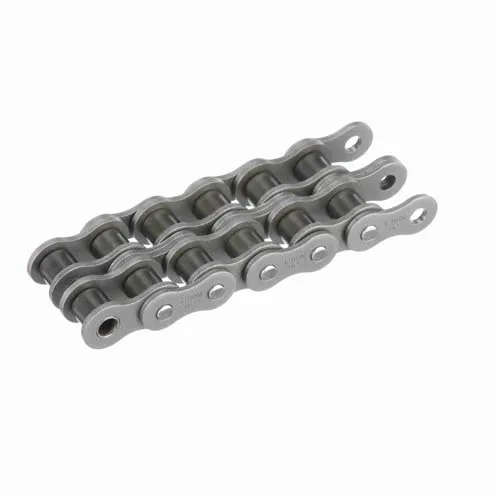
Мы являемся производителем конвейерных цепей с двойным шагом и постоянно осуществляем поставки. Конвейерные цепи конкурентоспособные цены, высокое качество и регулярная доставка.
Эти конвейерные цепи используются в конвейерных системах при небольших нагрузках и умеренных скоростях. Они похожи на двухшаговые цепи для передачи мощности, но имеют звенья овальной формы и могут быть изготовлены как со стандартными, так и с увеличенными роликами. Чаще всего они используются на конвейерах всех форм и размеров и могут поставляться с одним или несколькими из наших многочисленных приспособлений для перемещения или транспортировки продукции.
| Номер цепи ISO. | Номер цепи ANSI. | Подача | Диаметр ролика | Ширина между внутренними пластинами | диаметр штифта | Длина штифта | Глубина внутренней пластины | Толщина пластины | Предел прочности на растяжение | Средняя прочность на растяжение | |
| п | d1 макс | б1 мин | d2 макс | Л макс | LC макс | h2 макс | T макс | Q мин | Qo | ||
| мм | мм | мм | мм | мм | мм | мм | мм | кН/бф | кН | ||
| C208A C208AL | C2040 C2042 | 25.40 | 7.95 15.88 | 7.85 | 3.96 | 16.6 | 17.8 | 12.0 | 1.50 | 14.1/3205 | 16.7 |
| C208AH | C2040H | 25.40 | 7.95 | 7.85 | 3.96 | 18.8 | 19.9 | 12.0 | 2.03 | 14.1/3205 | 17.2 |
| C208B C208BL | 25.40 | 8.51 15.88 | 7.75 | 4.45 | 16.7 | 18.2 | 11.8 | 1.60 | 18.0/4091 | 19.4 | |
| C210A C210AL | C2050 C2052 | 31.75 | 10.16 19.05 | 9.40 | 5.08 | 20.7 | 22.2 | 15.0 | 2.03 | 22.2/5045 | 28.1 |
| C212A C212AL | C2060 C2062 | 38.10 | 11.91 22.23 | 12.57 | 5.94 | 25.9 | 27.7 | 18.0 | 2.42 | 31.8/7227 | 36.8 |
| C212AH C212AHL | C2060H C2062H | 38.10 | 11.91 22.23 | 12.57 | 5.94 | 29.2 | 31.6 | 18.0 | 3.25 | 31.8/7227 | 41.6 |
| C216A C216AL | C2080 C2082 | 50.80 | 15.88 28.58 | 15.75 | 7.92 | 32.7 | 36.5 | 24.0| | 3.25 | 56.7/12886 | 65.7 |
| C216AH C216AHL | C2080H C2082H | 50.80 | 15.88 28.58 | 15.75 | 7.92 | 36.2 | 39.4 | 24.0 | 4.00 | 56.7/12886 | 70.0 |
| C220A C220AL | C2100 C2102 | 63.50 | 19.05 39.67 | 18.90 | 9.53 | 40.4 | 44.7 | 30.0 | 4.00 | 88.5/20114 | 102.6 |
| C220AH C220AHL | C2100H C2102H | 63.50 | 19.05 39.67 | 18.90 | 9.53 | 43.6 | 46.9 | 30.0 | 4.80 | 88.5/20114 | 112.4 |
| C224A C224AL | C2120 C2122 | 76.20 | 22.23 44.45 | 25.22 | 11.10 | 50.3 | 54.3 | 35.7 | 4.80 | 127.0/28864 | 147.3 |
| C224AH C224AHL | C2120H C2122H | 76.20 | 22.23 44.45 | 25.22 | 11.10 | 53.5 | 57.5 | 35.7 | 5.60 | 127.0/28864 | 160.9 |
| C232A C232AL | C2160 C2162 | 101.60 | 28.58 57.15 | 31.75 | 14.27 | 64.8 | 69.6 | 47.8 | 6.40 | 226.8/51545 | 278.9 |
| C232AH C232AHL | C2160H C2162H | 101.60 | 28.58 57.15 | 31.75 | 14.27 | 68.2 | 73.0 | 47.8 | 7.20 | 226.8/51545 | 285.8 |
| Материал: | Alloy Steel/Carbon Steel/ Stainless Steel |
|---|---|
| Структура: | Роликовая цепь |
| Обработка поверхности: | Baking Paint , Oxygenation, Electroplating, Polish |
| Размер цепочки: | Customized |
| Особенность: | Огнестойкий, маслостойкий, термостойкий |
| Width Between Inner Plates: | 7.85 – 31.75mm |
| Настройка: | Доступный | Индивидуальный запрос |
|---|

What are the considerations for selecting a corrosion-resistant conveyor chain?
When selecting a corrosion-resistant conveyor chain, several considerations should be taken into account to ensure optimal performance and longevity in corrosive environments. Here are the key factors to consider:
– Material Selection:
Choose a conveyor chain material that is resistant to the specific corrosive agents present in the environment. Stainless steel, plastic, and special coatings such as zinc or nickel plating are commonly used for their corrosion resistance properties.
– Corrosion Resistance Ratings:
Review the corrosion resistance ratings of different chain materials and coatings. Look for industry standards such as ASTM or ISO ratings that indicate the material’s resistance to specific corrosive substances or environmental conditions.
– Environmental Factors:
Consider the specific environmental factors that contribute to corrosion, such as humidity, temperature, presence of chemicals or solvents, and exposure to saltwater or acids. Evaluate how these factors may impact the chain’s corrosion resistance requirements.
– Coating or Surface Treatment:
If using a metal chain, consider applying additional coatings or surface treatments to enhance its corrosion resistance. Options may include electroplating, powder coating, or using specialized anti-corrosion coatings.
– Compatibility with Cleaning Methods:
Ensure that the selected chain material is compatible with the cleaning methods and chemicals used in the application. Some corrosive-resistant materials may require specific cleaning procedures to maintain their performance and longevity.
– Operational Considerations:
Take into account the load capacity, speed, and operational requirements of the conveyor system. Ensure that the corrosion-resistant chain can withstand the mechanical stresses and operational demands without compromising its corrosion resistance properties.
– Cost-Effectiveness:
Weigh the initial cost and long-term benefits of using a corrosion-resistant conveyor chain. While corrosion-resistant materials may have a higher upfront cost, they can significantly reduce maintenance, replacement, and downtime costs associated with corrosion-related failures.
By considering these factors, you can select a corrosion-resistant conveyor chain that is well-suited for the specific corrosive environment, ensuring reliable and durable performance in applications such as chemical processing, food production, wastewater treatment, or outdoor environments.
В чём преимущества использования модульной конвейерной цепной системы?
Модульная конвейерная цепная система предлагает ряд преимуществ с точки зрения гибкости, эффективности и простоты обслуживания. Вот некоторые из ключевых преимуществ:
1. Универсальность: Модульные конвейерные цепи имеют конструкцию с взаимозацепляющимися модулями, которые легко соединяются и разъединяются. Это обеспечивает гибкость в настройке конвейерной системы в соответствии с конкретными требованиями к компоновке, производственными потребностями или ограничениями по пространству. Модули можно добавлять, удалять или перемещать для адаптации к изменяющимся производственным процессам или вариациям продукции.
2. Возможность индивидуальной настройки: Модульная конструкция конвейерной цепной системы позволяет настраивать ее в соответствии с конкретными требованиями применения. Доступны различные типы модулей, включая прямые участки, кривые, наклонные участки, участки с уклоном вниз, соединительные участки и разделители. В систему легко интегрируются такие аксессуары, как боковые направляющие, зажимы или фиксаторы продукции.
3. Быстрая установка и модификация: Модульные конвейерные цепи разработаны для простой установки и модификации. Благодаря быстросъемным соединениям модули можно быстро собирать или разбирать, сокращая время простоя во время настройки или переконфигурации системы. Эта функция также упрощает техническое обслуживание, ремонт или будущее расширение.
4. Повышенная эффективность: Модульная конструкция конвейерной цепной системы обеспечивает эффективную обработку материалов и оптимизированный рабочий процесс. Плавная передача между модулями минимизирует заторы или смещения продукции, обеспечивая непрерывный и стабильный поток материалов. Возможность включения в систему изгибов или наклонных участков позволяет эффективно использовать площадь и облегчает перемещение продукции на разных уровнях.
5. Простота обслуживания: Модульные конвейерные цепные системы разработаны для простоты обслуживания. Доступ к отдельным модулям и их замена возможны без разборки всей системы. Это сокращает время и затраты на техническое обслуживание. Кроме того, открытая конструкция модулей облегчает очистку, удаление мусора и осмотр.
6. Долговечность и надежность: Модульные конвейерные цепи обычно изготавливаются из высококачественных материалов, таких как пластик или нержавеющая сталь, что обеспечивает их прочность и длительный срок службы. Они устойчивы к износу, коррозии и химическим воздействиям, что делает их подходящими для различных промышленных условий. Конструкция с блокировкой обеспечивает стабильность и предотвращает проскальзывание цепи во время работы.
7. Функции безопасности: Модульные конвейерные цепные системы могут включать в себя такие функции безопасности, как кнопки аварийной остановки, защитные ограждения или датчики для обнаружения засоров или чрезмерной нагрузки. Эти функции помогают поддерживать безопасные условия труда для операторов и защищать целостность транспортируемой продукции.
В целом, модульная конвейерная цепная система обеспечивает универсальность, возможность индивидуальной настройки, эффективность и простоту обслуживания. Это надежное решение для перемещения материалов в таких отраслях, как производство, упаковка, дистрибуция и логистика.
Из каких основных компонентов состоит конвейерная цепь?
К основным компонентам конвейерной цепи относятся:
- Звенья цепи: Звенья цепи — это отдельные компоненты, из которых состоит конвейерная цепь. Обычно они изготавливаются из металла и соединяются, образуя непрерывную петлю. Конструкция и конфигурация звеньев цепи могут варьироваться в зависимости от конкретного применения и требований к нагрузке.
- Значки: Штифты — это цилиндрические элементы, которые скрепляют звенья цепи. Они вставляются через конец каждого звена цепи, создавая прочное соединение. Штифты обычно изготавливаются из закаленной стали, чтобы выдерживать нагрузки и трение в конвейерной системе.
- Звездочки: Зубчатые колеса — это колеса, которые входят в зацепление со звеньями цепи и обеспечивают привод для перемещения конвейерной цепи. Обычно они изготавливаются из прочных материалов, таких как сталь или пластик, и проектируются в соответствии с шагом и профилем конвейерной цепи. Зубчатые колеса выпускаются различных размеров и конфигураций в зависимости от требуемой скорости и грузоподъемности конвейерной системы.
- Направляющие рельсы: Направляющие рельсы — это неподвижные элементы, устанавливаемые вдоль конвейерной линии для направления и поддержки движения конвейерной цепи. Они помогают поддерживать правильное выравнивание и предотвращают сход цепи с рельсов или отклонение от заданной траектории.
- Натяжители: Натяжители — это устройства, используемые для поддержания надлежащего натяжения конвейерной цепи. Они обеспечивают натяжение цепи и её зацепление со звёздочками, предотвращая провисание или чрезмерное ослабление. Натяжители можно регулировать в зависимости от изменения длины цепи и для компенсации износа с течением времени.
- Навесное оборудование и принадлежности: В зависимости от конкретного применения конвейерные цепи могут включать в себя различные приспособления и аксессуары. К ним относятся защелки, лопатки, ковши или другие устройства, облегчающие перемещение и обработку определенных типов материалов. Эти приспособления обычно крепятся к звеньям цепи через определенные интервалы или в определенных местах.
Сочетание этих компонентов создает надежную и долговечную конвейерную цепную систему, способную эффективно транспортировать материалы в широком спектре промышленных применений.


editor by CX 2023-10-07