製品説明
当社はダブルピッチコンベヤチェーンの製造業者であり、常に供給しています。 コンベアチェーン 競争力のある価格、高品質、そして定期的な供給。
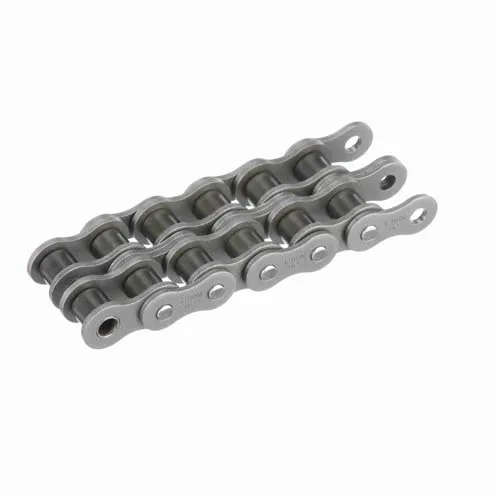
これらのコンベヤチェーンは、負荷が少なく速度が中程度のコンベヤ用途で使用されます。ダブルピッチ動力伝達チェーンに似ていますが、リンクプレートの形状が楕円形になっており、標準サイズまたは特大サイズのローラーで製造可能です。あらゆる形状とサイズのコンベヤで広く使用されており、製品の搬送や運搬のために、当社が提供する多数のアタッチメントを1つ以上取り付けることができます。
| ISOチェーン番号 | ANSIチェーン番号 | ピッチ | ローラー直径 | 内板間の幅 | ピン径 | ピンの長さ | 内側プレートの深さ | 板厚 | 極限引張強度 | 平均引張強度 | |
| p | d1 最大 | b1分 | d2 最大 | L最大 | Lc 最大 | h2 最大 | 最高温度 | Q分 | クォ | ||
| mm | mm | mm | mm | mm | mm | mm | mm | kN/bf | kN | ||
| C208A C208AL | C2040 C2042 | 25.40 | 7.95 15.88 | 7.85 | 3.96 | 16.6 | 17.8 | 12.0 | 1.50 | 14.1/3205 | 16.7 |
| C208AH | C2040H | 25.40 | 7.95 | 7.85 | 3.96 | 18.8 | 19.9 | 12.0 | 2.03 | 14.1/3205 | 17.2 |
| C208B C208BL | 25.40 | 8.51 15.88 | 7.75 | 4.45 | 16.7 | 18.2 | 11.8 | 1.60 | 18.0/4091 | 19.4 | |
| C210A C210AL | C2050 C2052 | 31.75 | 10.16 19.05 | 9.40 | 5.08 | 20.7 | 22.2 | 15.0 | 2.03 | 22.2/5045 | 28.1 |
| C212A C212AL | C2060 C2062 | 38.10 | 11.91 22.23 | 12.57 | 5.94 | 25.9 | 27.7 | 18.0 | 2.42 | 31.8/7227 | 36.8 |
| C212AH C212AHL | C2060H C2062H | 38.10 | 11.91 22.23 | 12.57 | 5.94 | 29.2 | 31.6 | 18.0 | 3.25 | 31.8/7227 | 41.6 |
| C216A C216AL | C2080 C2082 | 50.80 | 15.88 28.58 | 15.75 | 7.92 | 32.7 | 36.5 | 24.0| | 3.25 | 56.7/12886 | 65.7 |
| C216AH C216AHL | C2080H C2082H | 50.80 | 15.88 28.58 | 15.75 | 7.92 | 36.2 | 39.4 | 24.0 | 4.00 | 56.7/12886 | 70.0 |
| C220A C220AL | C2100 C2102 | 63.50 | 19.05 39.67 | 18.90 | 9.53 | 40.4 | 44.7 | 30.0 | 4.00 | 88.5/20114 | 102.6 |
| C220AH C220AHL | C2100H C2102H | 63.50 | 19.05 39.67 | 18.90 | 9.53 | 43.6 | 46.9 | 30.0 | 4.80 | 88.5/20114 | 112.4 |
| C224A C224AL | C2120 C2122 | 76.20 | 22.23 44.45 | 25.22 | 11.10 | 50.3 | 54.3 | 35.7 | 4.80 | 127.0/28864 | 147.3 |
| C224AH C224AHL | C2120H C2122H | 76.20 | 22.23 44.45 | 25.22 | 11.10 | 53.5 | 57.5 | 35.7 | 5.60 | 127.0/28864 | 160.9 |
| C232A C232AL | C2160 C2162 | 101.60 | 28.58 57.15 | 31.75 | 14.27 | 64.8 | 69.6 | 47.8 | 6.40 | 226.8/51545 | 278.9 |
| C232AH C232AHL | C2160H C2162H | 101.60 | 28.58 57.15 | 31.75 | 14.27 | 68.2 | 73.0 | 47.8 | 7.20 | 226.8/51545 | 285.8 |
| 材料: | Alloy Steel/Carbon Steel/ Stainless Steel |
|---|---|
| 構造: | ローラーチェーン |
| 表面処理: | Baking Paint , Oxygenation, Electroplating, Polish |
| チェーンサイズ: | Customized |
| 特徴: | 耐火性、耐油性、耐熱性 |
| Width Between Inner Plates: | 7.85 – 31.75mm |
| カスタマイズ: | 利用可能 | カスタマイズされたリクエスト |
|---|

What are the considerations for selecting a corrosion-resistant conveyor chain?
When selecting a corrosion-resistant conveyor chain, several considerations should be taken into account to ensure optimal performance and longevity in corrosive environments. Here are the key factors to consider:
– Material Selection:
Choose a conveyor chain material that is resistant to the specific corrosive agents present in the environment. Stainless steel, plastic, and special coatings such as zinc or nickel plating are commonly used for their corrosion resistance properties.
– Corrosion Resistance Ratings:
Review the corrosion resistance ratings of different chain materials and coatings. Look for industry standards such as ASTM or ISO ratings that indicate the material’s resistance to specific corrosive substances or environmental conditions.
– Environmental Factors:
Consider the specific environmental factors that contribute to corrosion, such as humidity, temperature, presence of chemicals or solvents, and exposure to saltwater or acids. Evaluate how these factors may impact the chain’s corrosion resistance requirements.
– Coating or Surface Treatment:
If using a metal chain, consider applying additional coatings or surface treatments to enhance its corrosion resistance. Options may include electroplating, powder coating, or using specialized anti-corrosion coatings.
– Compatibility with Cleaning Methods:
Ensure that the selected chain material is compatible with the cleaning methods and chemicals used in the application. Some corrosive-resistant materials may require specific cleaning procedures to maintain their performance and longevity.
– Operational Considerations:
Take into account the load capacity, speed, and operational requirements of the conveyor system. Ensure that the corrosion-resistant chain can withstand the mechanical stresses and operational demands without compromising its corrosion resistance properties.
– Cost-Effectiveness:
Weigh the initial cost and long-term benefits of using a corrosion-resistant conveyor chain. While corrosion-resistant materials may have a higher upfront cost, they can significantly reduce maintenance, replacement, and downtime costs associated with corrosion-related failures.
By considering these factors, you can select a corrosion-resistant conveyor chain that is well-suited for the specific corrosive environment, ensuring reliable and durable performance in applications such as chemical processing, food production, wastewater treatment, or outdoor environments.
モジュール式コンベアチェーンシステムを使用するメリットは何ですか?
モジュール式コンベアチェーンシステムは、柔軟性、効率性、メンテナンスの容易さにおいて、いくつかの利点を提供します。主な利点は以下のとおりです。
1. 汎用性:モジュール式コンベヤチェーンは、簡単に接続・切断できる連結モジュールで構成されています。これにより、特定のレイアウト要件、生産ニーズ、またはスペースの制約に応じて、コンベヤシステムを柔軟に構成できます。モジュールは、生産プロセスや製品のバリエーションの変化に合わせて、追加、削除、または再配置できます。
2. カスタマイズ性:コンベヤチェーンシステムのモジュール設計により、特定の用途要件に合わせてカスタマイズが可能です。直線部、曲線部、傾斜部、下降部、合流部、分岐部など、さまざまな種類のモジュールが用意されています。サイドガイド、クリート、製品固定具などのアクセサリもシステムに簡単に組み込むことができます。
3. 迅速な設置と変更:モジュール式コンベアチェーンは、設置と変更が容易になるように設計されています。スナップインまたはスナップオン接続により、モジュールを迅速に組み立てたり分解したりできるため、システムのセットアップや再構成時のダウンタイムを削減できます。この機能は、メンテナンス、修理、および将来の拡張も容易にします。
4. 効率性の向上:コンベアチェーンシステムのモジュール構造により、効率的なマテリアルハンドリングと最適化されたワークフローを実現します。モジュール間のスムーズな搬送により、製品の詰まりや位置ずれを最小限に抑え、材料の連続的かつ安定した流れを確保します。システムに曲線や傾斜を組み込むことができるため、床面積を効率的に活用でき、様々な高さでの製品搬送も容易になります。
5. メンテナンスの容易さ:モジュール式コンベアチェーンシステムは、メンテナンスの容易さを考慮して設計されています。システム全体を分解することなく、個々のモジュールに簡単にアクセスして交換できます。これにより、メンテナンス時間とコストを削減できます。さらに、モジュールの開放的な構造により、清掃、異物除去、点検が容易になります。
6.耐久性と信頼性:モジュラーコンベヤチェーンは通常、プラスチックやステンレス鋼などの高品質素材で作られており、耐久性と長寿命を保証します。摩耗、腐食、化学薬品による損傷に強く、様々な産業環境に適しています。インターロック設計により安定性が確保され、運転中のチェーンの滑りを防ぎます。
7.安全機能:モジュール式コンベアチェーンシステムには、緊急停止ボタン、安全ガード、詰まりや過負荷を検知するセンサーなどの安全機能を組み込むことができます。これらの機能は、作業者の安全な作業環境を維持し、搬送される製品の完全性を保護するのに役立ちます。
総合的に見て、モジュール式コンベアチェーンシステムは、汎用性、カスタマイズ性、効率性、そしてメンテナンスの容易さを兼ね備えています。製造、包装、流通、物流といった業界におけるマテリアルハンドリングのための信頼性の高いソリューションです。
コンベアチェーンの主な構成要素は何ですか?
コンベアチェーンの主な構成要素は以下のとおりです。
- チェーンリンク: チェーンリンクとは、コンベヤチェーンを構成する個々の部品のことです。これらは通常金属製で、連結されて連続したループを形成します。チェーンリンクの設計と構成は、用途や負荷要件に応じて異なります。
- ピン: ピンは、チェーンリンク同士を繋ぎ合わせる円筒形の部品です。各チェーンリンクの端に挿入することで、しっかりと接続されます。ピンは通常、コンベアシステム内の力や摩擦に耐えられるよう、焼き入れ鋼で作られています。
- スプロケット: スプロケットは、チェーンリンクと噛み合い、コンベヤチェーンを動かす駆動力を提供する歯車です。通常、鋼鉄やプラスチックなどの耐久性のある素材で作られ、コンベヤチェーンのピッチと形状に合わせて設計されています。スプロケットは、コンベヤシステムの希望する速度と耐荷重に応じて、さまざまなサイズと形状があります。
- ガイドレール: ガイドレールは、コンベア経路に沿って設置される固定部品で、コンベアチェーンの動きを誘導・支持する役割を果たします。ガイドレールは、適切な位置合わせを維持し、チェーンの脱線や経路からの逸脱を防ぐのに役立ちます。
- テンショナー: テンショナーは、コンベヤチェーンの適切な張力を維持するために使用される装置です。チェーンが常にピンと張った状態を保ち、スプロケットにしっかりと噛み合うようにすることで、たるみや過度の垂れ下がりを防ぎます。テンショナーは、チェーンの長さの変化や経年劣化による摩耗に対応するために調整可能です。
- 付属品およびアクセサリー: 用途に応じて、コンベヤチェーンには様々なアタッチメントや付属品が取り付けられる場合があります。これらには、クリート、フライト、バケット、その他特定の種類の材料の移動や取り扱いを補助する装置が含まれます。これらのアタッチメントは通常、チェーンリンクに一定の間隔または位置で固定されます。
これらの構成要素を組み合わせることで、幅広い産業用途において効率的に資材を搬送できる、堅牢で信頼性の高いコンベアチェーンシステムが実現します。


editor by CX 2023-10-07