제품 설명


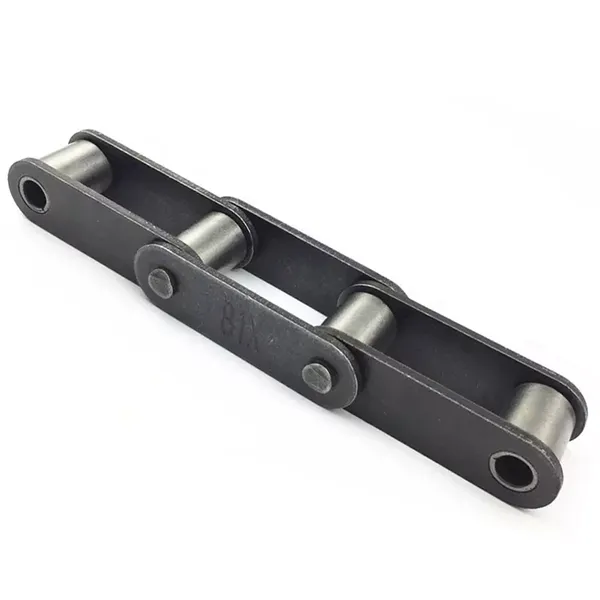
DIN 체인 번호ISO/ANSI 체인 번호피/mmd1/mmL/mmb1/mm    T/mm 
08A-14012.707.9216.707.851.50
10A-15015.87510.1620.709.402.
약칭: CHOHO 산업.
 

   √ 항저우 초호 산업 유한회사는 1999년에 설립되었습니다. 체인 시스템 기술 분야의 선두 기업으로 성장했으며, 국가 공인 기업 기술 센터 1기, 국가 기술 혁신 시범 기업, 그리고 중국 체인 구동 산업 최초의 A주 상장 기업입니다. 증권 코드는 003033입니다.
   √ CHOHO는 시험 기술 및 국제 무역 회사를 포함한 4개의 자회사를 보유하고 있습니다. 항저우에 4개의 공장, 태국 공장, 저장성 R&D 센터 및 도쿄 R&D 센터를 운영하고 있습니다. 또한, CHOHO 항저우 산업 단지는 내년에 완공 및 가동될 예정입니다.
   √ 당사는 농업용 체인, 스프로킷, 체인 써레, 경운기 부품, 벼 수확기 체인, GS38 체인, 롤러 체인, 자동차 체인, 오토바이 체인, 산업용 체인 등 모든 종류의 표준 체인 및 특수 체인 생산을 전문으로 합니다. 당사의 파트너는 LOVOL, JOHN DEERE, NEWHOLLAND, CLASS, AGCO, DEUTZFAHR, HONDA, KUBOTA 등 세계 유수의 기업들입니다.

포장 세부 정보:고급 포장 / 편의 포장 / 대량 포장 / 방수 백 / PE 백 / 고급 골판지 상자 / 일반 골판지 상자 / 중립 상자 / 나무 상자 / 철제 팔레트 또는 맞춤형 포장

저희 회사는 항저우 항구와 매우 가까워 물류 비용과 운송 시간을 크게 절감할 수 있습니다!
 

저희는 자체 물류 회사와 운송 부서를 보유하고 있습니다. 귀사의 창고 또는 중국 내 다른 항구(예: 저장항)로 물품 배송이 필요하시면 저희가 처리해 드릴 수 있습니다!

*******************************************************
수년간의 품질 실천을 통해 CHOHO는 독자적인 품질 문화와 품질 경영 모델을 구축했으며, 이를 전략적으로 활용하여 글로벌 공급망 시스템 기술 분야에서 품질 경영을 선도하고 있습니다.
*******************************************************

 
∞ 품질 문화와 전략에 의해 추진됨
∞ 연구 개발, 조달, 생산 및 마케팅 실행
    전체 가치 사슬 주기의 디지털 품질 관리
전체 산업 사슬의 ∞ 품질 시너지
∞ 성과 사슬 시스템 기술 선도 기업

    √ CHOHO는 자연스러운 브랜드 인지도를 가지고 있습니다. 2020년 1월 현재, CHOHO는 미국, 일본, 영국, 프랑스, ​​독일, 러시아, 스페인, 오스트리아, 벨기에, 불가리아, 크로아티아, 체코, 덴마크, 핀란드, 그리스, 헝가리, 아일랜드, 이탈리아, 네덜란드, 폴란드, 포르투갈, 루마니아, 우크라이나, 스웨덴, 호주, 알제리, 이집트, 케냐, 모로코, 한국, 카자흐스탄, 몽골, 시리아, 태국, 파키스탄, 인도, 브라질, 멕시코, 콜롬비아 등 60개국 이상에 "CHOHO" 상표를 등록했습니다. 

CHOHO는 산업 박람회, 농업 박람회, 오토바이 박람회, 엔진 박람회 등 전 세계 여러 국제 박람회에 참가 초청을 받아 왔습니다. 하노버 메세, 볼로냐 박람회, 캔톤 페어, VIV ASIA와 같은 전시회 그리고 그 외 세계적으로 유명한 전시회들!

협력적인 고객

다양한 고객 채널 시장이 지속적으로 성장하고 있습니다!

초호는 세계 500대 기업과 각 분야 상위 10대 기업에 체인 시스템 솔루션을 제공합니다!

자주 묻는 질문


1. 귀사는 제조업체입니까, 아니면 무역 회사입니까?
    -저희는 36년 이상 체인 생산 및 수출에 주력해 온 공장이며, 전문적인 국제 무역팀을 보유하고 있습니다.
2. 일반적으로 어떤 결제 조건을 사용하시나요?
    -T/T 결제 조건: 선금 30%, 잔금 70%는 선적 전 지급. 선적 전 제품 및 포장 사진을 보내주십시오.
3. 귀사 제품의 리드 타임은 얼마나 됩니까?
    -주문 수량 및 사양에 따라 일반적으로 1~45일 소요되며, 재고가 있는 경우 즉시 배송 가능합니다.
4. 혹시 공연을 보러 가신 적 있으세요?
    -저희는 하노버 메세, 볼로냐 박람회, 캔톤 페어, AMTS, VIV ASIA, CIAME, 모터 차이나, PTC 아시아, 프랑크푸르트 자동차 부품 박람회 등 세계적으로 유명한 전시회에 참가합니다!
5. 무료 샘플을 제공하시나요?
   -네, 가능합니다. 아니면 배송비만 부담하셔도 됩니다.
6. OEM 주문이 가능한가요?
   -네, OEM 주문 가능합니다. 
7. 주요 제품은 무엇입니까?
   -당사의 주요 제품은 자동차 체인 시스템, 오토바이 체인 시스템, 산업용 체인 시스템, 농업용 체인 시스템, 자전거 체인 시스템, 톱 체인 및 선박용 체인 등 모든 종류의 체인입니다.
 

기타 인기 상품


읽어주셔서 감사합니다!
CHOHO에 대해 더 자세히 알아보시려면 다음 링크를 방문하세요.


재료:합금
구조:롤러 체인
표면 처리:세련
샘플:
US$ 미터당 1.99달러
1미터(최소 주문량)

|

주문 샘플

A 시리즈 단피치 정밀 롤러 체인 샘플
맞춤 설정:
사용 가능

|

맞춤형 요청

.shipping-cost-tm .tm-status-off{background: none;padding:0;color: #1470cc}

배송비:

단위당 예상 운송비.


배송비 및 예상 배송 시간에 관한 정보입니다.
결제 방법:


초기 납부금


전액 지불
통화: 미국$
반품 및 환불: 제품 수령 후 최대 30일 이내에 환불을 신청할 수 있습니다.

컨베이어

How does a conveyor chain handle accumulation and indexing applications?

In conveyor systems, accumulation and indexing refer to specific methods of controlling the movement and positioning of items along the conveyor line. A conveyor chain can effectively handle these applications through the use of specialized components and control mechanisms. Here’s a detailed explanation:

Accumulation:

– Accumulation refers to the process of temporarily storing or buffering items on the conveyor to control the flow of materials. Conveyor chains designed for accumulation applications typically incorporate features such as low-friction chain guides, accumulating zones, and sensors.

– In an accumulation conveyor chain system, the chain is divided into discrete zones where items can accumulate. As products enter a zone, the chain slows down or stops, allowing items to accumulate without colliding with each other. Sensors or photoelectric cells detect the presence of items in each zone and provide signals to control the chain movement.

– The accumulation zones in the conveyor chain system can be controlled in different ways, such as through the use of motorized rollers, pneumatic devices, or electronic sensors. This ensures a controlled and synchronized flow of items along the conveyor line.

Indexing:

– Indexing refers to the precise positioning of items at specific intervals along the conveyor line. This is commonly used in applications where accurate positioning or sequencing is required, such as assembly or packaging processes.

– Conveyor chains designed for indexing applications incorporate specialized index pins, stops, or precision indexing drives. These components work together to accurately position items at predetermined locations along the conveyor.

– The indexing mechanism of a conveyor chain system can be driven by mechanical cams, servo motors, or programmable logic controllers (PLCs). The indexing motion can be synchronized with other processes or machines downstream to ensure precise assembly or packaging operations.

– By combining accumulation and indexing capabilities, a conveyor chain system can handle a wide range of applications, including sorting, buffering, sequencing, and automated assembly. It provides control over the flow and positioning of items, allowing for efficient material handling and optimized production processes.

컨베이어

How do you calculate the power requirements for a conveyor chain?

Calculating the power requirements for a conveyor chain involves considering various factors. Here’s a step-by-step process:

1. Determine the total weight to be transported: Measure or estimate the total weight of the material or product that will be carried by the conveyor chain. This includes the weight of the product itself, any packaging, and additional loads.

2. Determine the speed of the conveyor: Determine the desired speed at which the conveyor chain will operate. This is typically measured in feet per minute (FPM) or meters per second (m/s).

3. Calculate the required capacity: Multiply the total weight by the desired speed to determine the required capacity of the conveyor system. This will give you the weight per unit of time (e.g., pounds per minute or kilograms per hour).

4. Consider the conveyor’s design factors: Take into account various design factors such as the type and pitch of the conveyor chain, the coefficient of friction between the chain and the conveyor components, and any incline or decline angles of the conveyor system. These factors affect the power requirements.

5. Determine the required power: Use the following formula to calculate the power requirements:

Power (in horsepower) = (Capacity × Friction Factor) ÷ (33,000 × Efficiency)

Where:

– Capacity is the weight per unit of time (from step 3)

– Friction Factor is the ratio of chain tension to chain weight, taking into account the design factors

– 33,000 is a conversion factor to convert the units to horsepower

– Efficiency is the overall efficiency of the conveyor system, typically expressed as a decimal value (e.g., 0.95 for 95% efficiency)

6. Select a suitable motor: Based on the calculated power requirements, select a motor that can provide the necessary power to drive the conveyor chain. Consider factors such as motor type, motor efficiency, and overload capacity.

It’s important to note that the power requirements may vary depending on specific conveyor system designs and operating conditions. Consulting with a qualified engineer or conveyor manufacturer is recommended to ensure accurate calculations and proper motor selection.

컨베이어

What are the main components of a conveyor chain?

The main components of a conveyor chain include:

  • Chain Links: Chain links are the individual components that make up the conveyor chain. They are typically made of metal and are connected to form a continuous loop. The design and configuration of the chain links can vary depending on the specific application and load requirements.
  • Pins: Pins are the cylindrical components that hold the chain links together. They are inserted through the end of each chain link to create a solid connection. Pins are usually made of hardened steel to withstand the forces and friction within the conveyor system.
  • Sprockets: Sprockets are toothed wheels that engage with the chain links and provide the driving force to move the conveyor chain. They are typically made of durable materials such as steel or plastic and are designed to match the pitch and profile of the conveyor chain. Sprockets come in various sizes and configurations depending on the desired speed and load capacity of the conveyor system.
  • Guide Rails: Guide rails are stationary components installed along the conveyor path to guide and support the movement of the conveyor chain. They help maintain proper alignment and prevent the chain from derailing or deviating from its intended path.
  • Tensioners: Tensioners are devices used to maintain the proper tension in the conveyor chain. They ensure that the chain remains taut and engaged with the sprockets, preventing slack or excessive sagging. Tensioners can be adjusted to accommodate variations in chain length and to compensate for wear over time.
  • Attachments and Accessories: Depending on the specific application, conveyor chains may include various attachments and accessories. These can include cleats, flights, buckets, or other devices that aid in the movement and handling of specific types of materials. These attachments are typically secured to the chain links at specific intervals or locations.

The combination of these components creates a robust and reliable conveyor chain system capable of efficiently transporting materials in a wide range of industrial applications.

중국 제조업체 농업용 자동차 엔진 오토바이 산업용 톱 구동 장치 변속기 구동 컨베이어 스프로킷 링크 리프팅 롤러 체인  중국 제조업체 농업용 자동차 엔진 오토바이 산업용 톱 구동 장치 변속기 구동 컨베이어 스프로킷 링크 리프팅 롤러 체인
editor by CX 2023-10-10