Penerangan Produk
ISO16949: Rantaian Perindustrian yang Diluluskan 2009
Mengapa Pilih Kami?
1. HangZhou Xihu (West Lake) Dis.hua Chain Group Co., Ltd ditubuhkan pada tahun 1991, kami mempunyai 5 anak syarikat di China dan mempunyai 6 anak syarikat di luar negara;
2. kami meliputi kawasan pengeluaran seluas 200,100 meter persegi, mempunyai lebih daripada 1,800 set peralatan canggih dan lebih 3,100 pekerja berkemahiran tinggi, kapasiti pengeluaran tahunan telah melebihi 20,000,000 meter;
3. kami pakar dalam menghasilkan semua jenis rantai standard dan rantai khas, seperti rantai siri A atau B, rantai pemacu, rantai penghantar, rantai pengangkat, rantai pertanian, sprocket, rantaian perindustrian, gegancu, gear, roda dan sebagainya;
4. kami telah memperoleh sijil ISO9001, ISO14001, ISO16969, AAA dan API.
5. Rakan kongsi kami antara perusahaan terkemuka dunia, seperti JOHNDEERE, NEW HOLLAND, CLAAS, HONDA, KUBOTA, YANMAR, dll.
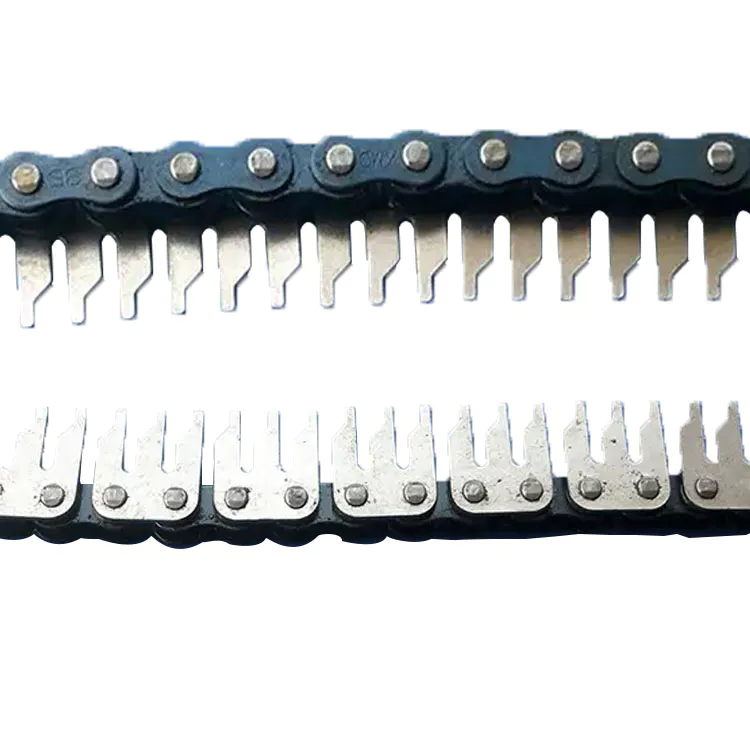
1. Bahagian Rantai Industri
2. Carta alir pengeluaran
1. Bahan masuk
2. Pemeriksaan
3. Pengeluaran papan rantai (keluli gulung sejuk/tebuk/rawatan haba/letupan tembakan/pembersihan)
4. Pengeluaran penggelek (pengelap burr & smear/rawatan haba/pengisaran/pembersihan)
5. Pengeluaran bulu ayam (pengelapan & sapuan burr/pengisaran silinder tanpa pusat/rawatan haba/pengilat)
6. Pengeluaran aci (pemotongan/penyerongan/rawatan haba/pengisaran/pembersihan silinder tanpa pusat)
7. Pemasangan
8. Pemeriksaan akhir
9. Pembungkusan
3. Sijil
4. Maklumat Syarikat
HangZhou Xihu (West Lake) Dis.hua Chain Group Co., Ltd ditubuhkan pada tahun 1991, dan kini ia mempunyai lima anak syarikat milik penuh, satu di wilayah ZheJiang, empat lagi di HangZhou, wilayah ZHangZhou, ia merupakan pengeluar profesional rantai, sprocket, gear gigi dan pelbagai produk penghantaran kuasa.
Kumpulan ini mempunyai jenama XIHU (WEST LAKE) DIS.HUA, ZIQIANG, yang menumpukan pada menghasilkan pelbagai jenis rantai penggelek standard dan rantai khas, seperti rantai penghantar, rantai keluli tahan karat, rantai pertanian. Dengan jenama Xihu (West Lake) Dis.hua yang berdaftar di lebih 70 buah negara seperti Amerika, Eropah, Jepun, ia sedang membina kerjasama jangka panjang dengan perusahaan terkemuka dunia ini, seperti JOHNDEERE, NEW HOLLAND, CLAAS, HONDA, KUBOTA, YANMAR.
Terdapat pusat teknikal peringkat wilayah, stesen kerja ahli akademik Xihu (West Lake) Dis.hua, stesen eksperimen untuk doktor pos Xihu (West Lake) Dis.hua, dan ratusan program kebangsaan yang ditubuhkan dalam kumpulan Xihu (West Lake) Dis.hua. Dengan platform ini dan keupayaan teknikal yang kukuh, lebih daripada ratusan Jurutera dan juruteknik telah membangunkan pelbagai jenis produk berketepatan tinggi dan berkekuatan tinggi khas, menjalankan program acuan untuk komponen utama dalam kereta dan program pemulihan industri kebangsaan.
Perhatian yang besar telah diberikan kepada perlindungan alam sekitar dan penjimatan tenaga. Produk ini mempamerkan perlindungan alam sekitar dan penjimatan tenaga dengan baik. Pada tahun 2000, Xihu (West Lake) Dis.hua menerajui dalam memperoleh sijil pengurusan alam sekitar I S O 1 4 0 0 1 dan selepas itu lulus pemeriksaan pengeluaran bersih dan ekonomi kitar semula, memenangi gelaran "ZHangZhoug Green Enterprise".
"Kami sentiasa melayani pelanggan kami dengan produk terbaik kami."
| Penggunaan: | Rantai Penghantar |
|---|---|
| Bahan: | Aloi/Keluli Karbon |
| Rawatan Permukaan: | Penyaduran Elektro |
| Ciri: | Tahan Haba |
| Saiz Rantai: | 1/2"*11/128" |
| Struktur: | Rantai Penggelek |
| Penyesuaian: | Tersedia | Permintaan Tersuai |
|---|
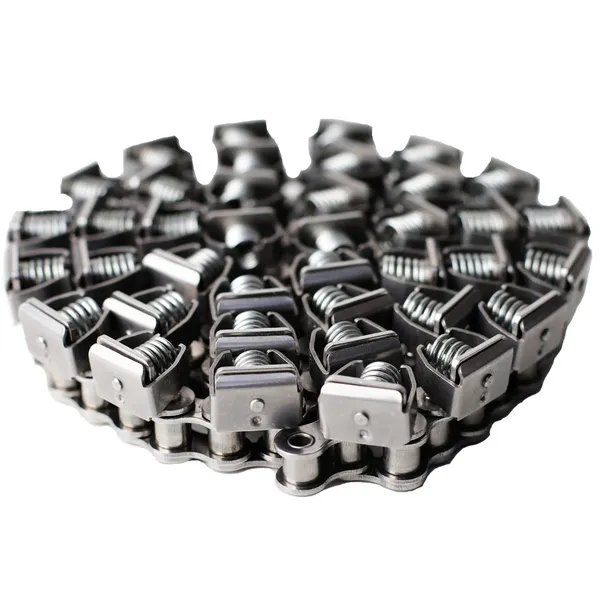
How do you calculate the maximum allowable tension in a conveyor chain?
The maximum allowable tension in a conveyor chain can be calculated using the following steps:
1. Determine the Chain Pitch:
– Measure the distance between the centers of two consecutive chain pins. This measurement is known as the chain pitch and is typically expressed in inches or millimeters.
2. Determine the Chain Speed:
– Determine the speed at which the conveyor chain will be operating. The chain speed is typically expressed in feet per minute or meters per second.
3. Calculate the Chain Pull:
– Determine the total weight or force that needs to be moved by the conveyor chain. This includes the weight of the conveyed material and any additional loads or forces acting on the chain.
4. Calculate the Required Tension:
– Use the following formula to calculate the required tension:
Tension = (Chain Pull × Chain Speed) / (Chain Pitch × Efficiency)
– The efficiency factor accounts for losses due to friction and other factors and is typically expressed as a decimal between 0 and 1.
5. Determine the Maximum Allowable Tension:
– The maximum allowable tension is determined by the manufacturer’s specifications for the conveyor chain. It is important to consult the manufacturer’s documentation or contact them directly to obtain the maximum allowable tension value.
6. Compare the Required Tension and Maximum Allowable Tension:
– Compare the calculated required tension with the maximum allowable tension. The required tension should be less than or equal to the maximum allowable tension to ensure safe and reliable operation of the conveyor chain.
By following these steps and considering the manufacturer’s specifications, you can accurately calculate the maximum allowable tension in a conveyor chain and ensure that it is within the safe operating limits.
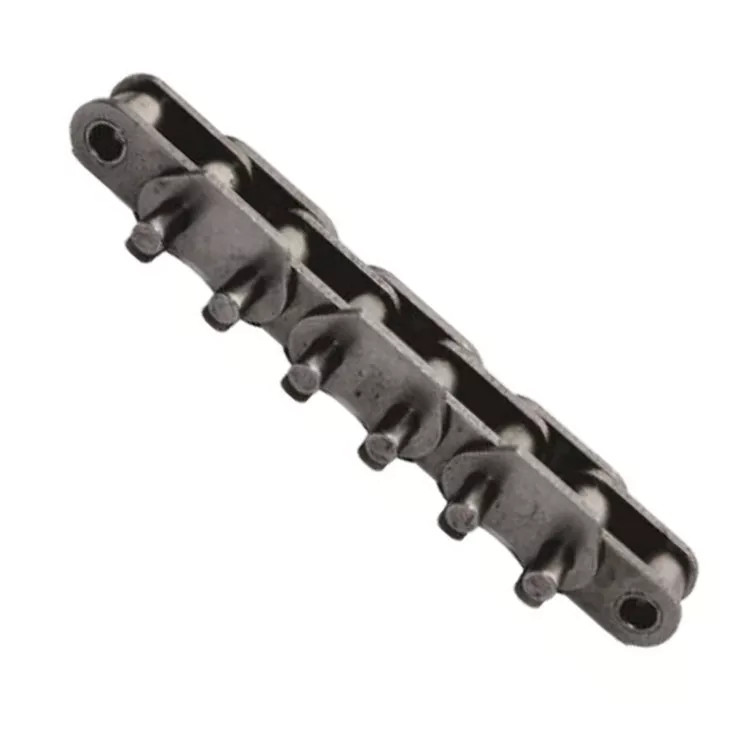
How do you prevent corrosion in conveyor chains?
Preventing corrosion in conveyor chains is essential for maintaining their performance and prolonging their lifespan. Here are some effective measures to prevent corrosion:
1. Material Selection: Choose conveyor chains made from corrosion-resistant materials such as stainless steel, plastic, or coatings specifically designed to resist corrosion. These materials offer better protection against rust and corrosion compared to standard steel chains.
2. Proper Lubrication: Apply a suitable lubricant to the conveyor chain regularly. Lubrication creates a protective barrier that helps prevent moisture and contaminants from reaching the metal surface, reducing the risk of corrosion. Select a lubricant that provides corrosion protection properties and is compatible with the chain material.
3. Environmental Controls: Control the operating environment to minimize exposure to corrosive elements. Implement measures such as humidity control, proper ventilation, and protection from direct contact with water or chemicals. Consider using covers or enclosures to shield the conveyor chain from environmental factors that can accelerate corrosion.
4. Surface Treatments: Apply corrosion-resistant coatings or treatments to the conveyor chain. These coatings can provide an additional protective layer that acts as a barrier against moisture and corrosive substances. Examples of surface treatments include zinc plating, galvanizing, or epoxy coatings.
5. Regular Inspections and Cleaning: Regularly inspect the conveyor chain for signs of corrosion or damage. Remove any accumulated dirt, debris, or corrosive substances promptly. Cleaning the chain helps prevent the buildup of contaminants that can accelerate corrosion.
6. Preventive Maintenance: Implement a preventive maintenance program that includes regular cleaning, lubrication, and inspection of the conveyor chain. This proactive approach helps identify and address any potential corrosion issues early on, preventing further damage.
7. Proper Storage: When not in use, store the conveyor chains in a dry and controlled environment. Protect them from exposure to moisture, humidity, and corrosive substances. Use appropriate storage methods, such as hanging the chains or storing them in sealed containers.
By following these preventive measures, you can significantly reduce the risk of corrosion in conveyor chains, ensuring their optimal performance and longevity.
How do you troubleshoot common issues with conveyor chains?
Troubleshooting common issues with conveyor chains involves identifying the problem and taking appropriate steps to resolve it. Here are some common issues and troubleshooting approaches:
- Chain Slippage: If the chain is slipping or not engaging properly with the sprockets, check for proper tensioning, alignment, and lubrication. Adjust the tension if necessary and ensure the chain is properly aligned with the sprockets.
- Chain Jamming: If the chain is frequently jamming or getting stuck, inspect the conveyor for any obstructions or foreign objects that may be causing the issue. Clear any debris or blockages and ensure the chain’s path is clear.
- Excessive Noise: If the chain is making loud or unusual noises, check for proper lubrication. Insufficient lubrication can cause increased friction and noise. Apply the appropriate lubricant according to the manufacturer’s recommendations.
- Chain Breakage: If the chain is breaking frequently, inspect for any damaged or worn-out components. Replace any broken or worn links, pins, or attachments. Also, check for proper tensioning and alignment, as excessive tension or misalignment can lead to chain breakage.
- Chain Wear: If the chain shows signs of wear, such as elongation or corrosion, consider replacing it. Excessive wear can affect the performance and lifespan of the chain. Regularly inspect and measure the chain for wear and replace it when necessary.
It’s important to follow proper maintenance practices, including regular inspection, lubrication, and tensioning, to prevent and address common issues with conveyor chains. Consult the manufacturer’s guidelines and seek professional assistance if needed.


editor by CX 2023-08-04