Description du produit
Chaîne industrielle approuvée ISO 16949:2009
Pourquoi nous choisir ?
1. HangZhou Xihu (West Lake) Dis.hua Chain Group Co., Ltd, créée en 1991, possède 5 filiales en Chine et 6 filiales à l'étranger ;
2. Nous couvrons une zone de production de 200 100 mètres carrés, disposons de plus de 1 800 ensembles d'équipements de pointe et de plus de 3 100 employés hautement qualifiés, notre capacité de production annuelle a dépassé les 20 000 000 mètres ;
3. Nous sommes spécialisés dans la production de tous types de chaînes standard et de chaînes spéciales, telles que les chaînes des séries A ou B, les chaînes d'entraînement, les chaînes de convoyeur, les chaînes de levage, les chaînes agricoles, les pignons, chaînes industrielles, pignons, engrenages, roues, etc. ;
4. Nous avons obtenu les certificats ISO9001, ISO14001, ISO16969, AAA et API.
5. Nos partenaires parmi les plus grandes entreprises mondiales, telles que JOHNDEERE, NEW HOLLAND, CLAAS, HONDA, KUBOTA, YANMAR, etc.
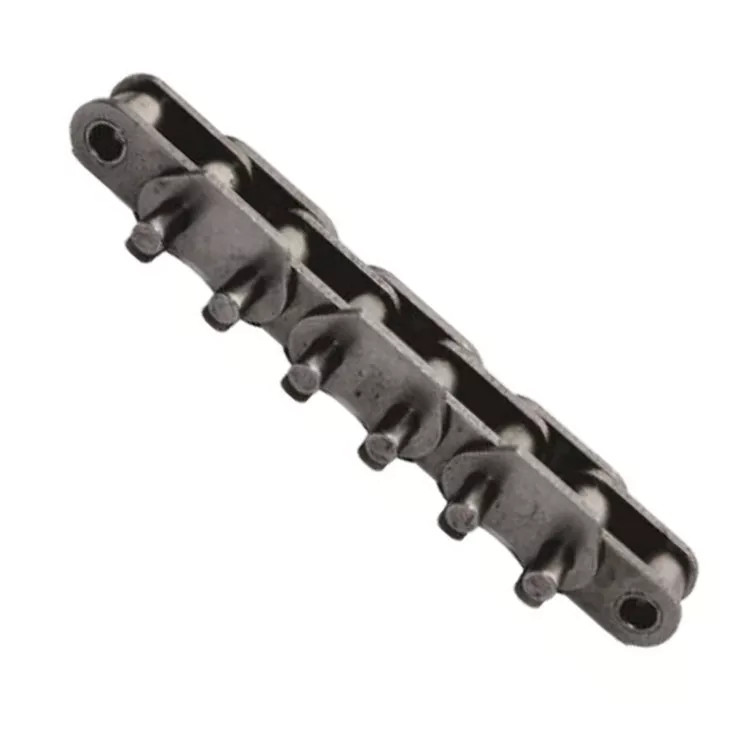
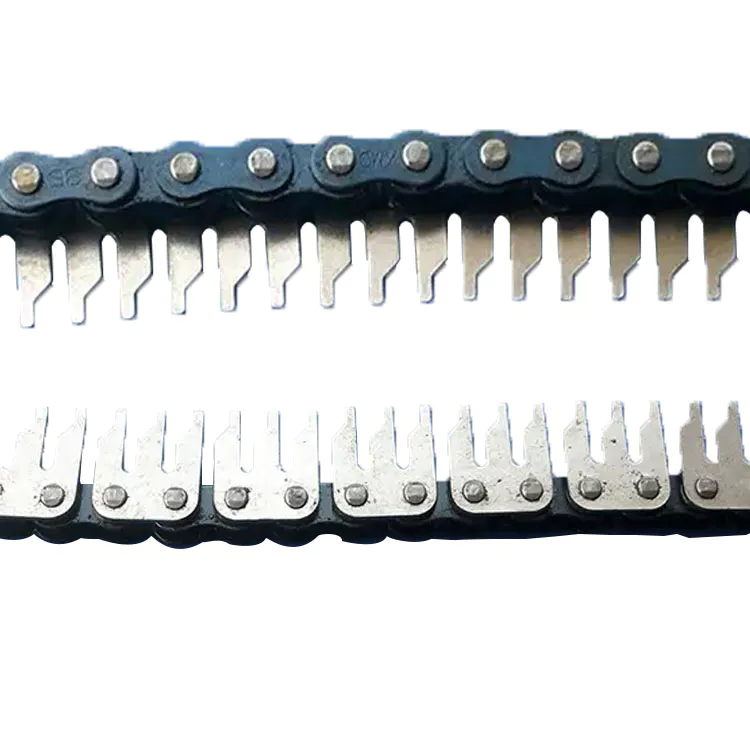
1. Pièces de chaînes industrielles
2. Diagramme de flux de production
1. Matières premières entrantes
2. Inspection
3. Production de panneaux à chaînes (acier laminé à froid/poinçonnage/traitement thermique/grenaillage/nettoyage)
4. Production du rouleau (ébavurage et polissage/traitement thermique/rectification par essuyage/nettoyage)
5. Production de la plume (ébavurage et polissage/rectification cylindrique sans centre/traitement thermique/polissage)
6. Production de l'arbre (découpe/chanfreinage/traitement thermique/rectification cylindrique sans centre/nettoyage)
7. Assemblage
8. Inspection finale
9. Emballage
3. Certificat
4. Informations sur l'entreprise
HangZhou Xihu (West Lake) Dis.hua Chain Group Co., Ltd a été fondée en 1991 et compte aujourd'hui cinq filiales à 100 %, dont une dans la province du Zhejiang et quatre autres à Hangzhou, dans la province de Zhangzhou. C'est un fabricant professionnel de chaînes, de pignons, d'engrenages et de divers produits de transmission de puissance.
Le groupe, qui possède les marques XIHU (WEST LAKE) DIS.HUA et ZIQIANG, se spécialise dans la production de chaînes à rouleaux standard et spéciales, notamment pour convoyeurs, en acier inoxydable et pour l'agriculture. La marque Xihu (West Lake) Dis.hua est enregistrée dans plus de 70 pays, dont les États-Unis, l'Europe et le Japon. Le groupe a établi des partenariats à long terme avec des entreprises de renommée mondiale telles que JOHNDEERE, NEW HOLLAND, CLAAS, HONDA, KUBOTA et YANMAR.
Le groupe Xihu (Lac de l'Ouest) Dis.hua dispose d'un centre technique provincial, d'une station de travail pour académiciens, d'une station expérimentale pour doctorants et de centaines de programmes nationaux. Grâce à ces plateformes et à ses solides compétences techniques, plusieurs centaines d'ingénieurs et de techniciens ont développé une large gamme de produits spéciaux de haute précision et de haute résistance, et mené des programmes de fabrication de moules pour des composants clés de l'industrie automobile et du programme national de relance industrielle.
Une grande importance a été accordée à la protection de l'environnement et aux économies d'énergie. Le produit illustre parfaitement ces principes. En 2000, Xihu (Lac de l'Ouest) Dis.hua a été la première entreprise à obtenir la certification ISO 14001 pour son système de management environnemental, puis a passé avec succès l'inspection relative à la production propre et à l'économie circulaire, remportant ainsi le titre d'« Entreprise verte de Zhangzhou ».
« Nous nous efforçons toujours de proposer à nos clients nos meilleurs produits. »
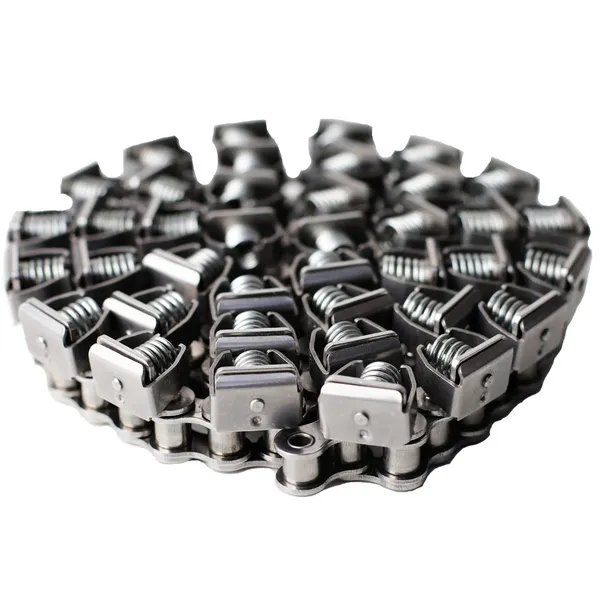
| Usage: | Chaîne de convoyeur |
|---|---|
| Matériel: | Acier allié/carbone |
| Traitement de surface : | galvanoplastie |
| Fonctionnalité: | Résistant à la chaleur |
| Taille de la chaîne : | 1/2"*11/128" |
| Structure: | Chaîne à rouleaux |
| Personnalisation : | Disponible | Demande personnalisée |
|---|
How do you calculate the maximum allowable tension in a conveyor chain?
The maximum allowable tension in a conveyor chain can be calculated using the following steps:
1. Determine the Chain Pitch:
– Measure the distance between the centers of two consecutive chain pins. This measurement is known as the chain pitch and is typically expressed in inches or millimeters.
2. Determine the Chain Speed:
– Determine the speed at which the conveyor chain will be operating. The chain speed is typically expressed in feet per minute or meters per second.
3. Calculate the Chain Pull:
– Determine the total weight or force that needs to be moved by the conveyor chain. This includes the weight of the conveyed material and any additional loads or forces acting on the chain.
4. Calculate the Required Tension:
– Use the following formula to calculate the required tension:
Tension = (Chain Pull × Chain Speed) / (Chain Pitch × Efficiency)
– The efficiency factor accounts for losses due to friction and other factors and is typically expressed as a decimal between 0 and 1.
5. Determine the Maximum Allowable Tension:
– The maximum allowable tension is determined by the manufacturer’s specifications for the conveyor chain. It is important to consult the manufacturer’s documentation or contact them directly to obtain the maximum allowable tension value.
6. Compare the Required Tension and Maximum Allowable Tension:
– Compare the calculated required tension with the maximum allowable tension. The required tension should be less than or equal to the maximum allowable tension to ensure safe and reliable operation of the conveyor chain.
By following these steps and considering the manufacturer’s specifications, you can accurately calculate the maximum allowable tension in a conveyor chain and ensure that it is within the safe operating limits.
How do you prevent corrosion in conveyor chains?
Preventing corrosion in conveyor chains is essential for maintaining their performance and prolonging their lifespan. Here are some effective measures to prevent corrosion:
1. Material Selection: Choose conveyor chains made from corrosion-resistant materials such as stainless steel, plastic, or coatings specifically designed to resist corrosion. These materials offer better protection against rust and corrosion compared to standard steel chains.
2. Proper Lubrication: Apply a suitable lubricant to the conveyor chain regularly. Lubrication creates a protective barrier that helps prevent moisture and contaminants from reaching the metal surface, reducing the risk of corrosion. Select a lubricant that provides corrosion protection properties and is compatible with the chain material.
3. Environmental Controls: Control the operating environment to minimize exposure to corrosive elements. Implement measures such as humidity control, proper ventilation, and protection from direct contact with water or chemicals. Consider using covers or enclosures to shield the conveyor chain from environmental factors that can accelerate corrosion.
4. Surface Treatments: Apply corrosion-resistant coatings or treatments to the conveyor chain. These coatings can provide an additional protective layer that acts as a barrier against moisture and corrosive substances. Examples of surface treatments include zinc plating, galvanizing, or epoxy coatings.
5. Regular Inspections and Cleaning: Regularly inspect the conveyor chain for signs of corrosion or damage. Remove any accumulated dirt, debris, or corrosive substances promptly. Cleaning the chain helps prevent the buildup of contaminants that can accelerate corrosion.
6. Preventive Maintenance: Implement a preventive maintenance program that includes regular cleaning, lubrication, and inspection of the conveyor chain. This proactive approach helps identify and address any potential corrosion issues early on, preventing further damage.
7. Proper Storage: When not in use, store the conveyor chains in a dry and controlled environment. Protect them from exposure to moisture, humidity, and corrosive substances. Use appropriate storage methods, such as hanging the chains or storing them in sealed containers.
By following these preventive measures, you can significantly reduce the risk of corrosion in conveyor chains, ensuring their optimal performance and longevity.
How do you troubleshoot common issues with conveyor chains?
Troubleshooting common issues with conveyor chains involves identifying the problem and taking appropriate steps to resolve it. Here are some common issues and troubleshooting approaches:
- Chain Slippage: If the chain is slipping or not engaging properly with the sprockets, check for proper tensioning, alignment, and lubrication. Adjust the tension if necessary and ensure the chain is properly aligned with the sprockets.
- Chain Jamming: If the chain is frequently jamming or getting stuck, inspect the conveyor for any obstructions or foreign objects that may be causing the issue. Clear any debris or blockages and ensure the chain’s path is clear.
- Excessive Noise: If the chain is making loud or unusual noises, check for proper lubrication. Insufficient lubrication can cause increased friction and noise. Apply the appropriate lubricant according to the manufacturer’s recommendations.
- Chain Breakage: If the chain is breaking frequently, inspect for any damaged or worn-out components. Replace any broken or worn links, pins, or attachments. Also, check for proper tensioning and alignment, as excessive tension or misalignment can lead to chain breakage.
- Chain Wear: If the chain shows signs of wear, such as elongation or corrosion, consider replacing it. Excessive wear can affect the performance and lifespan of the chain. Regularly inspect and measure the chain for wear and replace it when necessary.
It’s important to follow proper maintenance practices, including regular inspection, lubrication, and tensioning, to prevent and address common issues with conveyor chains. Consult the manufacturer’s guidelines and seek professional assistance if needed.


editor by CX 2023-08-04