Mô tả sản phẩm
ISO16949: 2009 Approved Industrial Chain
Tại sao nên chọn chúng tôi?
1. HangZhou Xihu (West Lake) Dis.hua Chain Group Co., Ltd established in 1991, we have 5 subsidiaries in china and have 6 subsidiaries abroad;
2. we covering a production area of 200,100 square meters, have more than 1,800 sets of advanced equipment and over 3,100 highly skilled employees, the annual production capacity has exceeded 20,000,000meters;
3. we specialized in producing all kinds of standard chains and special chains, such as A or B series chains, driving chains, conveyor chains, hoisting chains, agricultural chains, sprockets, industrial chains, sprockets, gears, wheels and so on;
4. we have obtained ISO9001, ISO14001, ISO16969, AAA and API certificates.
5. Our partners among world top enterprises, such as JOHNDEERE, NEW HOLLAND, CLAAS, HONDA, KUBOTA, YANMAR, etc.
1. Industrial Chain Parts
2. Production flow chart
1. Incoming material
2. Inspection
3. Production of chain board (cold roll steel/punch/heat treatment/shot blasting/cleaning)
4. Production of roller(burr wiping & smear/heat treatment/wiping grinding/cleaning)
5. Production of quill(burr wiping & smear/centerless cylindrical grinding/heat treatment/shining)
6. Production of shaft(cutting/chamfering/heat treatment/ centerless cylindrical grinding/cleaning)
7. Assembling
8. Final inspection
9. Packing
3. Certificate
4. Company Information
Công ty TNHH Tập đoàn Xích Hoa, Quận Tây Hồ, Hàng Châu được thành lập năm 1991, hiện nay có năm công ty con thuộc sở hữu hoàn toàn, một công ty ở tỉnh Chiết Giang, bốn công ty còn lại ở thành phố Hàng Châu và tỉnh Chiết Giang. Công ty là nhà sản xuất chuyên nghiệp các loại xích, nhông, bánh răng và các sản phẩm truyền động khác nhau.
Tập đoàn sở hữu các thương hiệu XIHU (Hồ Tây) DIS.HUA, ZIQIANG, tập trung sản xuất tất cả các loại xích con lăn tiêu chuẩn và xích đặc biệt, như xích băng tải, xích thép không gỉ, xích nông nghiệp. Với thương hiệu Xihu (Hồ Tây) DIS.hua được đăng ký tại hơn 70 quốc gia như Mỹ, Châu Âu, Nhật Bản, tập đoàn đang xây dựng mối quan hệ hợp tác lâu dài với các doanh nghiệp hàng đầu thế giới như JOHNDEERE, NEW HOLLAND, CLAAS, HONDA, KUBOTA, YANMAR.
Tập đoàn Xihu (Tây Hồ) Dis.hua có một trung tâm kỹ thuật cấp tỉnh, trạm làm việc của viện sĩ Tây Hồ, trạm thí nghiệm dành cho các tiến sĩ sau đại học của Tây Hồ, và hàng trăm chương trình quốc gia được thiết lập tại đây. Với những nền tảng này và năng lực kỹ thuật mạnh mẽ, hơn hàng trăm kỹ sư và kỹ thuật viên đã phát triển nhiều loại sản phẩm đặc biệt có độ chính xác cao và độ bền cao, thực hiện các chương trình chế tạo khuôn mẫu cho các bộ phận quan trọng trong ngành ô tô và chương trình phục hưng công nghiệp quốc gia.
Công tác bảo vệ môi trường và tiết kiệm năng lượng được chú trọng rất cao. Sản phẩm thể hiện rõ các tiêu chí bảo vệ môi trường và tiết kiệm năng lượng. Năm 2000, Tây Hồ, huyện Hoa đã tiên phong trong việc đạt chứng nhận quản lý môi trường ISO 14001 và sau đó vượt qua kiểm tra về sản xuất sạch và kinh tế tái chế, giành được danh hiệu “Doanh nghiệp Xanh Hàng Châu”.
“Chúng tôi luôn phục vụ khách hàng bằng những sản phẩm tốt nhất.”
| Cách sử dụng: | Xích băng tải |
|---|---|
| Vật liệu: | Thép hợp kim/thép cacbon |
| Xử lý bề mặt: | Electroplating |
| Tính năng: | Chịu nhiệt |
| Kích thước dây chuyền: | 1/2"*11/128" |
| Kết cấu: | Xích con lăn |
| Tùy chỉnh: | Có sẵn | Yêu cầu tùy chỉnh |
|---|
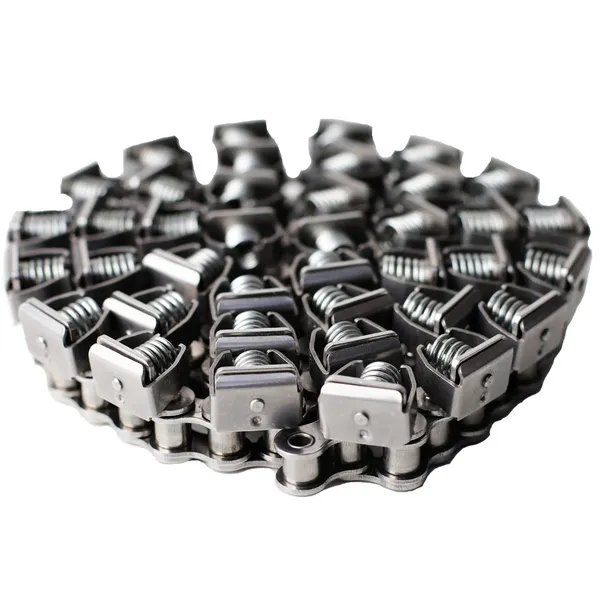
How do you calculate the maximum allowable tension in a conveyor chain?
The maximum allowable tension in a conveyor chain can be calculated using the following steps:
1. Determine the Chain Pitch:
– Measure the distance between the centers of two consecutive chain pins. This measurement is known as the chain pitch and is typically expressed in inches or millimeters.
2. Determine the Chain Speed:
– Determine the speed at which the conveyor chain will be operating. The chain speed is typically expressed in feet per minute or meters per second.
3. Calculate the Chain Pull:
– Determine the total weight or force that needs to be moved by the conveyor chain. This includes the weight of the conveyed material and any additional loads or forces acting on the chain.
4. Calculate the Required Tension:
– Use the following formula to calculate the required tension:
Tension = (Chain Pull × Chain Speed) / (Chain Pitch × Efficiency)
– The efficiency factor accounts for losses due to friction and other factors and is typically expressed as a decimal between 0 and 1.
5. Determine the Maximum Allowable Tension:
– The maximum allowable tension is determined by the manufacturer’s specifications for the conveyor chain. It is important to consult the manufacturer’s documentation or contact them directly to obtain the maximum allowable tension value.
6. Compare the Required Tension and Maximum Allowable Tension:
– Compare the calculated required tension with the maximum allowable tension. The required tension should be less than or equal to the maximum allowable tension to ensure safe and reliable operation of the conveyor chain.
By following these steps and considering the manufacturer’s specifications, you can accurately calculate the maximum allowable tension in a conveyor chain and ensure that it is within the safe operating limits.
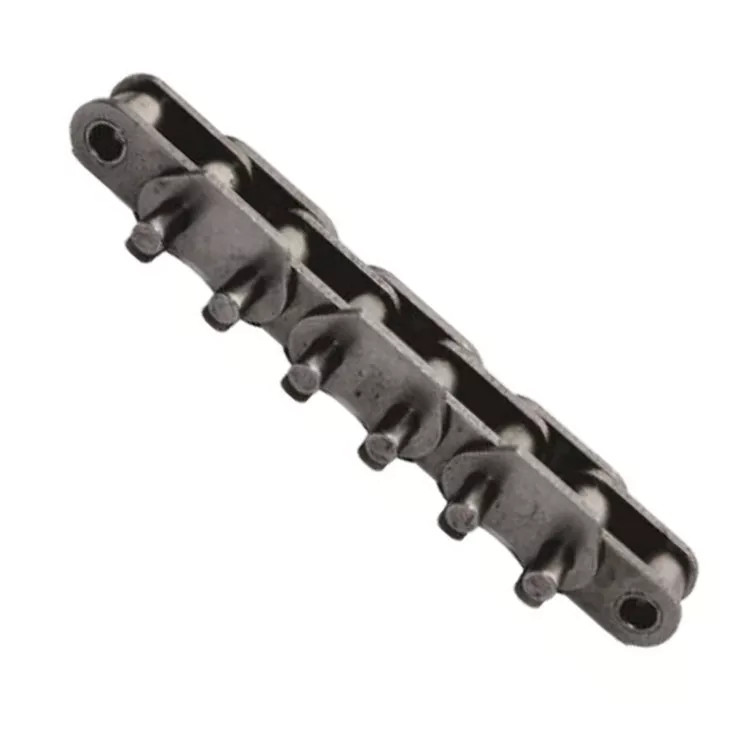
How do you prevent corrosion in conveyor chains?
Preventing corrosion in conveyor chains is essential for maintaining their performance and prolonging their lifespan. Here are some effective measures to prevent corrosion:
1. Material Selection: Choose conveyor chains made from corrosion-resistant materials such as stainless steel, plastic, or coatings specifically designed to resist corrosion. These materials offer better protection against rust and corrosion compared to standard steel chains.
2. Proper Lubrication: Apply a suitable lubricant to the conveyor chain regularly. Lubrication creates a protective barrier that helps prevent moisture and contaminants from reaching the metal surface, reducing the risk of corrosion. Select a lubricant that provides corrosion protection properties and is compatible with the chain material.
3. Environmental Controls: Control the operating environment to minimize exposure to corrosive elements. Implement measures such as humidity control, proper ventilation, and protection from direct contact with water or chemicals. Consider using covers or enclosures to shield the conveyor chain from environmental factors that can accelerate corrosion.
4. Surface Treatments: Apply corrosion-resistant coatings or treatments to the conveyor chain. These coatings can provide an additional protective layer that acts as a barrier against moisture and corrosive substances. Examples of surface treatments include zinc plating, galvanizing, or epoxy coatings.
5. Regular Inspections and Cleaning: Regularly inspect the conveyor chain for signs of corrosion or damage. Remove any accumulated dirt, debris, or corrosive substances promptly. Cleaning the chain helps prevent the buildup of contaminants that can accelerate corrosion.
6. Preventive Maintenance: Implement a preventive maintenance program that includes regular cleaning, lubrication, and inspection of the conveyor chain. This proactive approach helps identify and address any potential corrosion issues early on, preventing further damage.
7. Proper Storage: When not in use, store the conveyor chains in a dry and controlled environment. Protect them from exposure to moisture, humidity, and corrosive substances. Use appropriate storage methods, such as hanging the chains or storing them in sealed containers.
By following these preventive measures, you can significantly reduce the risk of corrosion in conveyor chains, ensuring their optimal performance and longevity.
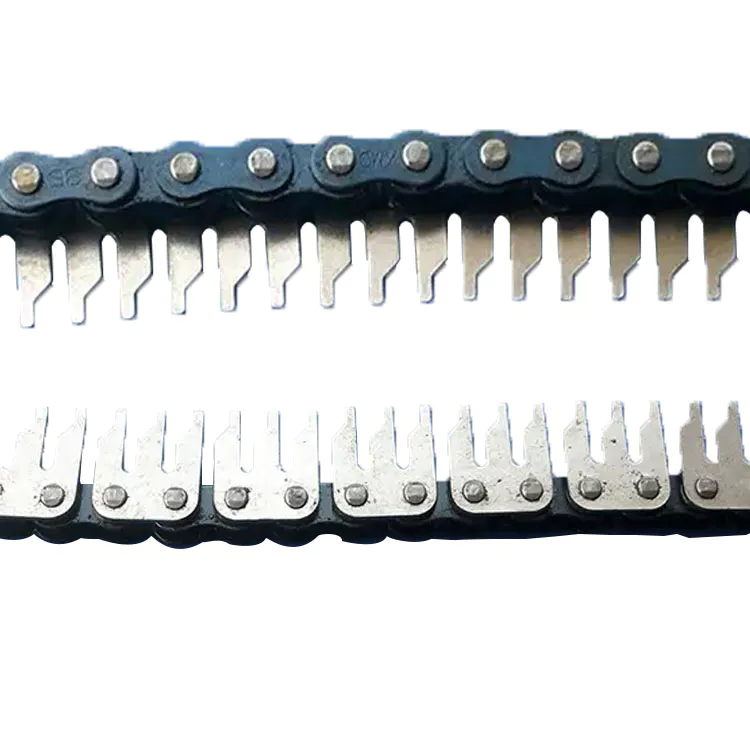
Làm thế nào để khắc phục các sự cố thường gặp với xích tải?
Khắc phục sự cố thường gặp với xích tải bao gồm việc xác định vấn đề và thực hiện các bước thích hợp để giải quyết. Dưới đây là một số sự cố thường gặp và cách tiếp cận khắc phục:
- Trượt xích: Nếu xích bị trượt hoặc không ăn khớp đúng cách với đĩa xích, hãy kiểm tra độ căng, độ thẳng hàng và độ bôi trơn. Điều chỉnh độ căng nếu cần thiết và đảm bảo xích được thẳng hàng đúng cách với đĩa xích.
- Gây tắc nghẽn chuỗi: Nếu dây chuyền thường xuyên bị kẹt hoặc tắc nghẽn, hãy kiểm tra băng tải xem có vật cản hoặc vật lạ nào gây ra sự cố hay không. Loại bỏ mọi mảnh vụn hoặc vật cản và đảm bảo đường đi của dây chuyền thông thoáng.
- Tiếng ồn quá mức: Nếu xích phát ra tiếng ồn lớn hoặc bất thường, hãy kiểm tra xem đã được bôi trơn đầy đủ chưa. Bôi trơn không đủ có thể gây ra ma sát và tiếng ồn lớn hơn. Hãy sử dụng chất bôi trơn phù hợp theo khuyến cáo của nhà sản xuất.
- Đứt xích: Nếu xích thường xuyên bị đứt, hãy kiểm tra xem có bộ phận nào bị hư hỏng hoặc mòn không. Thay thế bất kỳ mắt xích, chốt hoặc phụ kiện nào bị đứt hoặc mòn. Ngoài ra, hãy kiểm tra độ căng và độ thẳng hàng, vì độ căng quá mức hoặc độ lệch có thể dẫn đến đứt xích.
- Độ mòn của xích: Nếu xích có dấu hiệu bị mòn, chẳng hạn như giãn dài hoặc bị ăn mòn, hãy cân nhắc thay thế nó. Sự mòn quá mức có thể ảnh hưởng đến hiệu suất và tuổi thọ của xích. Thường xuyên kiểm tra và đo độ mòn của xích và thay thế khi cần thiết.
Việc tuân thủ các quy trình bảo dưỡng đúng cách, bao gồm kiểm tra định kỳ, bôi trơn và căng xích, rất quan trọng để phòng ngừa và khắc phục các sự cố thường gặp với xích băng tải. Tham khảo hướng dẫn của nhà sản xuất và tìm kiếm sự hỗ trợ chuyên nghiệp nếu cần.


editor by CX 2023-08-04