คำอธิบายผลิตภัณฑ์
ข้อมูลบริษัท
ZheJiang Yupan Machinery Equipment Co., Ltd. is a production of suspension conveyor bearings and conveyor accessories enterprises.
The company is located in Xihu (West Lake) Dis. Town, HangZhou City, ZheJiang Province, our company produces more than 40 sets of CNC lathe equipment, more than 20 sets of CNC grinding machines, and 10 sets of other bearing production equipment.
Main chain bearings, conveyor bearings, logistics bearings, products mainly include: stop bearing, drive chain bearings, suspension chain bearings, traction chain bearings, walking bearings, guide bearings, bearings, rotary roller bearings 7 categories of chain bearings have become the chain bearing accessories industry in the product standard makers
คำอธิบายผลิตภัณฑ์
| outer diameter | specification
| load capacity | |
Φ37travelling wheel | FX150 | 8kg | |
| Φ45guide wheel |
| 8kg | |
| Φ48travelling wheel |
| 20kg | |
| Φ49guide wheel | FX200 | 20kg | |
| Φ57travelling wheel | WF4.11.206 | 30kg | |
| Φ60guide wheel | WF4.11.206 | 30kg | |
| Φ66travelling wheel | FX204 | 50kg | |
| Φ68guide wheel | FX204 | 50kg |
Suspension coVarious styles of suspension chain roller bearings all meet the high temperature and high load environment support customizationnveyor bearing full ball design, high temperature and high load bearing outer ring and inner ring are made of bearing steel hardening hardness HRC58-62 channel precision grinding. The inner ring is 2 pieces together, with Q235 or 20 steel car processing shaft sleeve with the press for riveting to ensure that the whole bearing will not loose. Bearing clearance 0.35-0.55mm. Ensure flexible rotation without jamming during load operation.
Rotary roller bearing outer ring inner ring steel ball made of Gcr15 material outer ring inner ring heat treatment hardening HRC58-62 bearing double row ball design resistant to high temperature and high load suitable for various scenarios
Various styles of suspension chain roller bearings all meet the high temperature and high load environment support customization
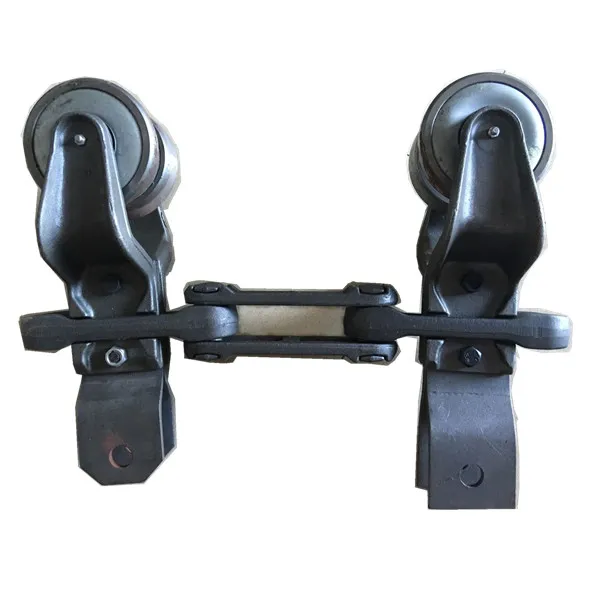
The slide frame is used to support the chain, bear the object, and is drawn by the chain along the I-steel dolly, the slide frame without a lifting plate only plays the supporting role is called the no-load slide frame, the slide frame with a lifting plate and can be hung on the pin of the lifting plate is called the load slide frame;
A heavy load slide frame consisting of 2 load slides connected by a heavy load beam;
Considering the spray paint on all sides, it is also designed with a rotating hanger.
Trolley frame manufacturing is divided into precision casting and forging 2 kinds, castings are divided into cast iron and cast steel parts.
The slide frame is equipped with rolling bearings, and the end of the slide frame is also equipped with a pressure injection type oil cup to ensure good lubrication, low running resistance, and its maximum use temperature is 200ºC, such as the use of temperature exceeds, the 2 parties can design and manufacture a special structure of the slide frame, or the use of graphite powder lubrication.
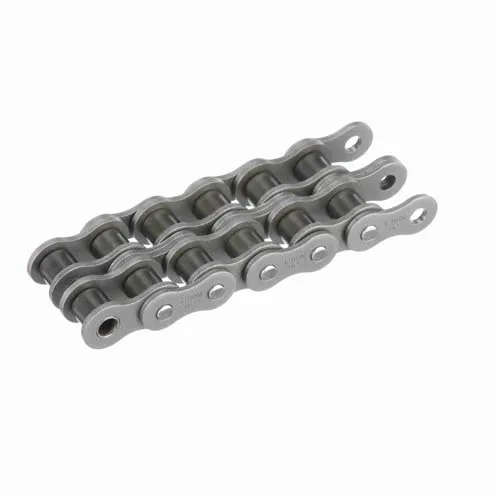
Chain is the traction parts of the conveyor,XT80, XT100, XT160 ordinary hanging conveyor has 2 types of chain, that is, die forging detachable chain pressure detachable chain, the above 2 types of chain in addition to linear movement, can be rotated in the horizontal direction, vertical direction.
/* 22 มกราคม 2571 19:08:37 */!function(){function s(e,r){var a,o={};try{e&&e.split(“,”).forEach(function(e,t){e&&(a=e.match(/(.*?):(.*)$/))&&1
| 40cr: | 40cr Material |
|---|---|
| Chain: | Die Forging Chain |
| Overhead Chain: | Overhead Chain |
| Die Forging Slide Frame: | Die Forging Slide Frame |
| Transport Package: | Carton and Wooden Case |
| Specification: | carton |
| ตัวอย่าง: | US$ 30/Meter 1 เมตร (สั่งขั้นต่ำ) | |
|---|

What are the considerations for selecting a corrosion-resistant conveyor chain?
When selecting a corrosion-resistant conveyor chain, several factors need to be considered to ensure the chain’s longevity and performance in corrosive environments. Here are some key considerations:
1. Material Selection: Choose a chain material that is inherently resistant to corrosion. Stainless steel, such as AISI 304 or AISI 316, is a common choice due to its excellent corrosion resistance properties. Other materials like plastic chains or special alloys can also be considered based on the specific application requirements.
2. Coatings and Surface Treatments: In some cases, additional protective coatings or surface treatments can be applied to enhance the chain’s corrosion resistance. These coatings, such as zinc plating, galvanizing, or epoxy coatings, create a barrier between the chain material and corrosive substances, preventing direct contact and reducing the risk of corrosion.
3. Environmental Compatibility: Consider the specific corrosive agents present in the environment where the conveyor chain will be used. Different corrosive substances, such as acids, alkalis, or saltwater, require specific resistance properties. Ensure that the selected chain material and coatings are compatible with the corrosive agents present in the operating environment.
4. Maintenance and Lubrication: Proper maintenance and lubrication play a crucial role in preventing corrosion and extending the life of a conveyor chain. Regular cleaning, inspection, and application of appropriate lubricants can help remove corrosive contaminants and protect the chain surface from degradation.
5. Testing and Certification: Consider chains that have undergone testing and certification for corrosion resistance in relevant industry standards. Look for certifications such as ISO 9227 (salt spray test) or ASTM B117 (corrosion resistance test) to ensure the chain’s performance in corrosive environments.
By carefully considering these factors and consulting with conveyor chain manufacturers or corrosion-resistant experts, you can select a chain that is well-suited for your specific corrosive environment, minimizing the risk of corrosion-related issues and ensuring optimal performance and longevity.
ปัจจัยในการออกแบบสายพานลำเลียงแบบโซ่ช่วงยาวมีอะไรบ้าง?
การออกแบบสายพานลำเลียงแบบช่วงยาวจำเป็นต้องพิจารณาปัจจัยต่างๆ อย่างรอบคอบเพื่อให้มั่นใจถึงประสิทธิภาพ ความปลอดภัย และความน่าเชื่อถือ ต่อไปนี้คือข้อควรพิจารณาที่สำคัญบางประการในการออกแบบ:
1. การเลือกโซ่ลำเลียง: เลือกโซ่ลำเลียงที่เหมาะสมสำหรับช่วงความยาวมากและสามารถรับน้ำหนักได้ตามต้องการ พิจารณาปัจจัยต่างๆ เช่น วัสดุของโซ่ ระยะห่างของฟันโซ่ ความแข็งแรง และความทนทาน เพื่อให้แน่ใจว่าสามารถรับน้ำหนักและสภาพการใช้งานที่คาดการณ์ไว้ได้
2. โครงสร้างสายพานลำเลียง: โครงสร้างสายพานลำเลียงควรได้รับการออกแบบให้มีการรองรับและความมั่นคงที่เพียงพอสำหรับช่วงความยาวที่ยาว พิจารณาปัจจัยต่างๆ เช่น ความแข็งแรงของวัสดุ ความแข็งแกร่ง และการโก่งตัว เพื่อให้แน่ใจว่าโครงสร้างสามารถรับน้ำหนักของโซ่สายพานลำเลียง ผลิตภัณฑ์ที่ขนส่ง และน้ำหนักบรรทุกเพิ่มเติมใดๆ ได้
3. ระบบขับเคลื่อน: เลือกใช้ระบบขับเคลื่อนที่เหมาะสมซึ่งสามารถส่งกำลังไปยังสายพานลำเลียงแบบยาวได้อย่างมีประสิทธิภาพ พิจารณาปัจจัยต่างๆ เช่น กำลังมอเตอร์ ความเร็ว แรงบิด และกลไกควบคุม เพื่อให้มั่นใจได้ถึงการทำงานที่ราบรื่นและเชื่อถือได้
4. การปรับความตึงและการจัดแนว: การปรับความตึงและการจัดแนวโซ่สายพานลำเลียงอย่างเหมาะสมนั้นมีความสำคัญอย่างยิ่งต่อประสิทธิภาพและอายุการใช้งานของระบบ ควรออกแบบระบบโดยคำนึงถึงอุปกรณ์ปรับความตึงและกลไกการจัดแนวที่เพียงพอ เพื่อรักษาระดับความตึงและการจัดแนวของโซ่ให้เหมาะสมตลอดความยาวของสายพานลำเลียง
5. ตัวรองรับและตลับลูกปืน: ติดตั้งตัวรองรับและตลับลูกปืนที่เหมาะสมตลอดความยาวของสายพานลำเลียง เพื่อลดการหย่อนของโซ่ ลดแรงเสียดทาน และรับประกันการเคลื่อนที่ที่ราบรื่น พิจารณาปัจจัยต่างๆ เช่น ประเภทของตลับลูกปืน การหล่อลื่น และข้อกำหนดในการบำรุงรักษา
6. การควบคุมและความปลอดภัยของสายพานลำเลียง: ติดตั้งระบบควบคุมและคุณสมบัติความปลอดภัยที่เหมาะสมเพื่อตรวจสอบและควบคุมการทำงานของสายพานลำเลียงแบบยาว ซึ่งอาจรวมถึงระบบหยุดฉุกเฉิน การตรวจสอบความเร็ว การป้องกันการโอเวอร์โหลด และระบบล็อกเพื่อความปลอดภัย
7. ปัจจัยด้านสิ่งแวดล้อม: พิจารณาสภาพแวดล้อมที่สายพานลำเลียงจะทำงาน เช่น อุณหภูมิ ความชื้น ฝุ่น และสารกัดกร่อน เลือกวัสดุและส่วนประกอบที่สามารถทนต่อสภาวะเหล่านี้ได้ และติดตั้งระบบระบายอากาศ ระบบดักจับฝุ่น และมาตรการป้องกันการกัดกร่อนที่เหมาะสม
8. การบำรุงรักษาและการเข้าถึง: ออกแบบระบบสายพานลำเลียงโดยคำนึงถึงความสะดวกในการบำรุงรักษาและการเข้าถึง จัดให้มีจุดเข้าถึง ทางเดิน และแท่นวางที่เพียงพอสำหรับการตรวจสอบ การทำความสะอาด และงานบำรุงรักษา พิจารณาปัจจัยต่างๆ เช่น จุดหล่อลื่น ระบบทำความสะอาดสายพานลำเลียง และการเปลี่ยนชิ้นส่วนที่สึกหรอได้ง่าย
9. การขยายและความยืดหยุ่นในอนาคต: คาดการณ์ความต้องการในการขยายหรือดัดแปลงในอนาคต และออกแบบสายพานลำเลียงแบบยาวโดยคำนึงถึงความยืดหยุ่นเป็นสำคัญ ซึ่งอาจรวมถึงการเพิ่มส่วนสายพานลำเลียง จุดถ่ายโอน หรือการบูรณาการกับอุปกรณ์อื่นๆ
ด้วยการพิจารณาปัจจัยการออกแบบเหล่านี้ สายพานลำเลียงแบบโซ่ช่วงยาวจึงสามารถออกแบบและปรับให้เหมาะสมกับการใช้งานที่ต้องการได้อย่างมีประสิทธิภาพ ทำให้มั่นใจได้ว่าการลำเลียงวัสดุจะมีความน่าเชื่อถือและคุ้มค่า
ควรปฏิบัติตามข้อควรระวังด้านความปลอดภัยอะไรบ้างเมื่อทำงานกับโซ่ลำเลียง?
การทำงานกับสายพานลำเลียงมีความเสี่ยงอันตราย และจำเป็นอย่างยิ่งที่จะต้องปฏิบัติตามมาตรการความปลอดภัยอย่างถูกต้องเพื่อความปลอดภัยของผู้ปฏิบัติงานและป้องกันอุบัติเหตุ ต่อไปนี้เป็นมาตรการความปลอดภัยที่สำคัญบางประการที่ควรพิจารณา:
- การฝึกอบรมที่เหมาะสม: ตรวจสอบให้แน่ใจว่าพนักงานที่ใช้งานหรือบำรุงรักษาสายพานลำเลียงได้รับการฝึกอบรมอย่างเหมาะสมเกี่ยวกับหลักปฏิบัติด้านความปลอดภัย รวมถึงการจัดการสายพานลำเลียง ขั้นตอนการบำรุงรักษา และระเบียบปฏิบัติในกรณีฉุกเฉิน
- อุปกรณ์ป้องกันส่วนบุคคล (PPE): คนงานควรสวมใส่อุปกรณ์ป้องกันส่วนบุคคลที่เหมาะสม เช่น แว่นตานิรภัย ถุงมือ และรองเท้าหัวเหล็ก เพื่อป้องกันตนเองจากอันตรายที่อาจเกิดขึ้น รวมถึงเศษวัสดุที่กระเด็นออกมา จุดที่อาจหนีบ หรือการติดขัด
- ระบบล็อค/ติดป้ายเตือน: ก่อนดำเนินการบำรุงรักษาหรือซ่อมแซมใดๆ กับโซ่ลำเลียง ให้ปฏิบัติตามขั้นตอนการล็อกเอาต์/แท็กเอาต์ เพื่อแยกและตัดกระแสไฟฟ้าออกจากอุปกรณ์ เพื่อป้องกันการสตาร์ทโดยไม่ตั้งใจหรือการปลดปล่อยพลังงานที่สะสมไว้
- การรักษาความปลอดภัย: ตรวจสอบให้แน่ใจว่าโซ่ลำเลียงได้รับการป้องกันอย่างเหมาะสมเพื่อป้องกันการเข้าถึงชิ้นส่วนที่เคลื่อนไหว เช่น จุดหนีบและเฟืองหมุน อุปกรณ์ป้องกันควรติดตั้งอย่างแน่นหนาและไม่ขัดขวางการทำงานของโซ่
- งานดูแลรักษาความสะอาด: รักษาพื้นที่ทำงานให้สะอาดและปราศจากเศษวัสดุ เครื่องมือ หรือวัตถุอื่นใดที่อาจก่อให้เกิดอันตรายจากการสะดุดล้ม หรือขัดขวางการทำงานของสายพานลำเลียง
- การตรวจสอบเป็นประจำ: ตรวจสอบโซ่ลำเลียงอย่างสม่ำเสมอเพื่อหาสัญญาณของการสึกหรอ ความเสียหาย หรือการเบี่ยงเบน หากพบปัญหาใด ๆ ให้รีบแก้ไขเพื่อป้องกันอันตรายที่อาจเกิดขึ้น
- การขนถ่ายสินค้าอย่างปลอดภัย: เมื่อทำการขนถ่ายวัสดุขึ้นหรือลงจากสายพานลำเลียง ให้ปฏิบัติตามเทคนิคการยกที่ปลอดภัย และตรวจสอบให้แน่ใจว่าน้ำหนักบรรทุกกระจายอย่างสม่ำเสมอเพื่อป้องกันการบรรทุกเกินพิกัดหรือการเสียสมดุล
- อุปกรณ์หยุดฉุกเฉิน: ติดตั้งและทำเครื่องหมายอุปกรณ์หยุดฉุกเฉินให้ชัดเจนตลอดระบบสายพานลำเลียง เพื่อให้สามารถหยุดการทำงานได้ทันทีในกรณีฉุกเฉินหรือสถานการณ์อันตราย
- การสื่อสารที่ชัดเจน: กำหนดระเบียบวิธีการสื่อสารที่ชัดเจน รวมถึงสัญญาณหรือสัญลักษณ์ เพื่อให้มั่นใจได้ว่ามีการสื่อสารที่มีประสิทธิภาพระหว่างพนักงานที่ปฏิบัติงานในส่วนต่างๆ ของระบบสายพานลำเลียง
ข้อควรระวังด้านความปลอดภัยเหล่านี้เป็นเพียงแนวทางทั่วไป และสิ่งสำคัญคือต้องปรึกษาและปฏิบัติตามกฎระเบียบและแนวทางด้านความปลอดภัยเฉพาะที่ผู้ผลิตอุปกรณ์และหน่วยงานด้านความปลอดภัยที่เกี่ยวข้องกำหนดไว้ การฝึกอบรมด้านความปลอดภัยอย่างสม่ำเสมอ การสร้างความตระหนักรู้ และวัฒนธรรมด้านความปลอดภัยเชิงรุกมีความสำคัญอย่างยิ่งในการรักษาสภาพแวดล้อมการทำงานที่ปลอดภัยเมื่อทำงานกับสายพานลำเลียง


editor by CX 2024-04-19