Περιγραφή προϊόντος
ISO16949: 2009 Approved Industrial Chain
Γιατί να μας επιλέξετε;
1. HangZhou Xihu (West Lake) Dis.hua Chain Group Co., Ltd established in 1991, we have 5 subsidiaries in china and have 6 subsidiaries abroad;
2. we covering a production area of 200,100 square meters, have more than 1,800 sets of advanced equipment and over 3,100 highly skilled employees, the annual production capacity has exceeded 20,000,000meters;
3. we specialized in producing all kinds of standard chains and special chains, such as A or B series chains, driving chains, conveyor chains, hoisting chains, agricultural chains, sprockets, industrial chains, sprockets, gears, wheels and so on;
4. we have obtained ISO9001, ISO14001, ISO16969, AAA and API certificates.
5. Our partners among world top enterprises, such as JOHNDEERE, NEW HOLLAND, CLAAS, HONDA, KUBOTA, YANMAR, etc.
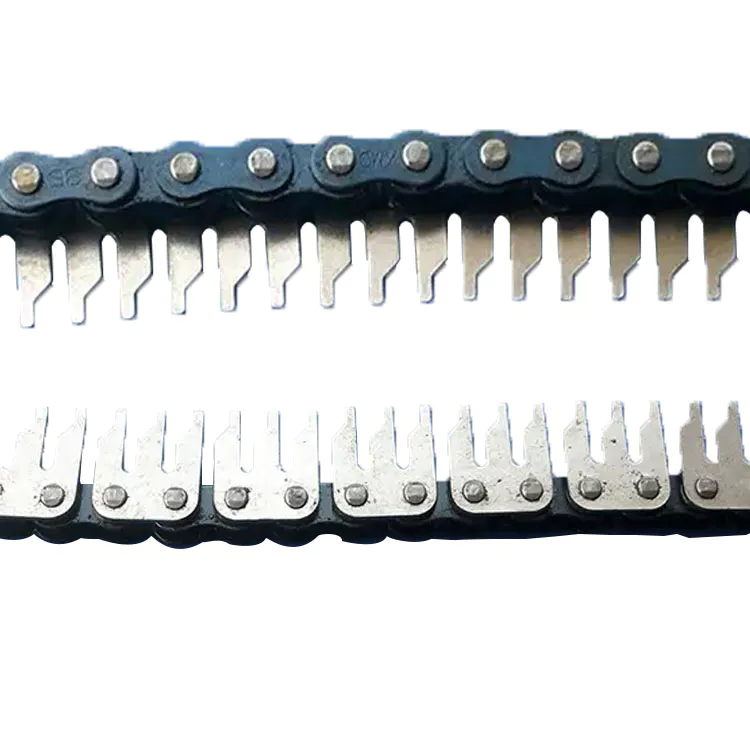
1. Industrial Chain Parts
2. Production flow chart
1. Incoming material
2. Inspection
3. Production of chain board (cold roll steel/punch/heat treatment/shot blasting/cleaning)
4. Production of roller(burr wiping & smear/heat treatment/wiping grinding/cleaning)
5. Production of quill(burr wiping & smear/centerless cylindrical grinding/heat treatment/shining)
6. Production of shaft(cutting/chamfering/heat treatment/ centerless cylindrical grinding/cleaning)
7. Assembling
8. Final inspection
9. Packing
3. Certificate
4. Company Information
Η HangZhou Xihu (West Lake) Dis.hua Chain Group Co., Ltd ιδρύθηκε το 1991 και τώρα έχει πέντε θυγατρικές εξ ολοκλήρου, μία στην επαρχία ZheJiang και τέσσερις στην επαρχία HangZhou της επαρχίας ZhangZhoug. Είναι επαγγελματίας κατασκευαστής αλυσίδων, γραναζιών, οδοντωτών γραναζιών και διαφόρων προϊόντων μετάδοσης ισχύος.
Ο όμιλος, με τις μάρκες XIHU (WEST LAKE) DIS.HUA, ZIQIANG, επικεντρώνεται στην παραγωγή όλων των ειδών τυποποιημένων αλυσίδων με ρολό και ειδικών αλυσίδων, όπως αλυσίδες μεταφοράς, αλυσίδες από ανοξείδωτο χάλυβα, γεωργικές αλυσίδες. Με την επωνυμία Xihu (West Lake) Dis.hua καταχωρημένη σε περισσότερες από 70 χώρες όπως η Αμερική, η Ευρώπη και η Ιαπωνία, χτίζει μακροχρόνια συνεργασία με κορυφαίες επιχειρήσεις παγκοσμίως, όπως οι JOHNDEERE, NEW HOLLAND, CLAAS, HONDA, KUBOTA, YANMAR.
Υπάρχει ένα τεχνικό κέντρο σε επαρχιακό επίπεδο, ένας ακαδημαϊκός σταθμός εργασίας Xihu (West Lake) Dis.hua, ένας πειραματικός σταθμός για τους μεταδιδάκτορες Xihu (West Lake) Dis.hua και εκατοντάδες εθνικά προγράμματα έχουν συσταθεί στον όμιλο Xihu (West Lake) Dis.hua. Με αυτές τις πλατφόρμες και την ισχυρή τεχνική ικανότητα, περισσότεροι από εκατοντάδες μηχανικοί και τεχνικοί έχουν αναπτύξει μια ποικιλία ειδικών προϊόντων υψηλής ακρίβειας και υψηλής αντοχής, έχουν διεξάγει προγράμματα καλουπιών για βασικά εξαρτήματα στην αυτοκινητοβιομηχανία και έχουν αναζωογονήσει την εθνική βιομηχανία.
Έχει δοθεί μεγάλη προσοχή στην προστασία του περιβάλλοντος και την εξοικονόμηση ενέργειας. Το προϊόν επιδεικνύει άριστα την προστασία του περιβάλλοντος και την εξοικονόμηση ενέργειας. Το έτος 2000, η Xihu (West Lake) Dis.hua πρωτοστάτησε στην απόκτηση πιστοποιητικού διαχείρισης περιβάλλοντος ISO 14001 και στη συνέχεια πέρασε με επιτυχία την επιθεώρηση καθαρής παραγωγής και οικονομίας ανακύκλωσης, κερδίζοντας τον τίτλο της «ZHangZhoug Green Enterprise».
«Εξυπηρετούμε πάντα τους πελάτες μας με τα καλύτερα προϊόντα μας.»
| Χρήση: | Αλυσίδα μεταφοράς |
|---|---|
| Υλικό: | Κράμα/χάλυβας άνθρακα |
| Επιφανειακή επεξεργασία: | Electroplating |
| Χαρακτηριστικό: | Ανθεκτικό στη θερμότητα |
| Μέγεθος αλυσίδας: | 1/2"*11/128" |
| Δομή: | Αλυσίδα κυλίνδρων |
| Προσαρμογή: | Διαθέσιμος | Προσαρμοσμένο Αίτημα |
|---|
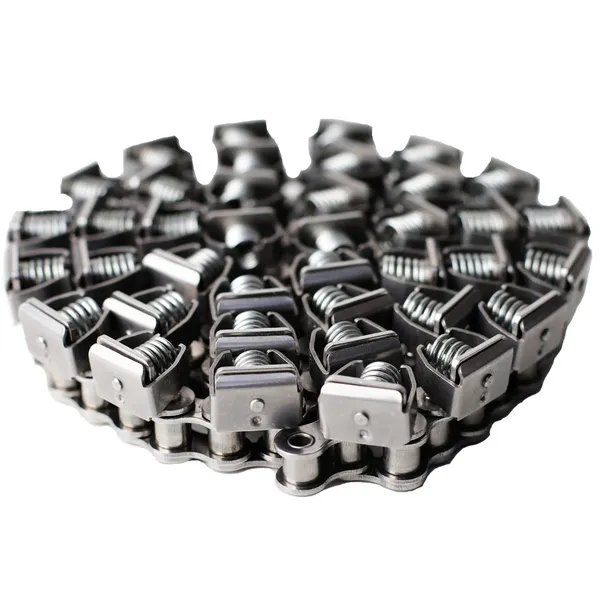
How do you calculate the maximum allowable tension in a conveyor chain?
The maximum allowable tension in a conveyor chain can be calculated using the following steps:
1. Determine the Chain Pitch:
– Measure the distance between the centers of two consecutive chain pins. This measurement is known as the chain pitch and is typically expressed in inches or millimeters.
2. Determine the Chain Speed:
– Determine the speed at which the conveyor chain will be operating. The chain speed is typically expressed in feet per minute or meters per second.
3. Calculate the Chain Pull:
– Determine the total weight or force that needs to be moved by the conveyor chain. This includes the weight of the conveyed material and any additional loads or forces acting on the chain.
4. Calculate the Required Tension:
– Use the following formula to calculate the required tension:
Tension = (Chain Pull × Chain Speed) / (Chain Pitch × Efficiency)
– The efficiency factor accounts for losses due to friction and other factors and is typically expressed as a decimal between 0 and 1.
5. Determine the Maximum Allowable Tension:
– The maximum allowable tension is determined by the manufacturer’s specifications for the conveyor chain. It is important to consult the manufacturer’s documentation or contact them directly to obtain the maximum allowable tension value.
6. Compare the Required Tension and Maximum Allowable Tension:
– Compare the calculated required tension with the maximum allowable tension. The required tension should be less than or equal to the maximum allowable tension to ensure safe and reliable operation of the conveyor chain.
By following these steps and considering the manufacturer’s specifications, you can accurately calculate the maximum allowable tension in a conveyor chain and ensure that it is within the safe operating limits.
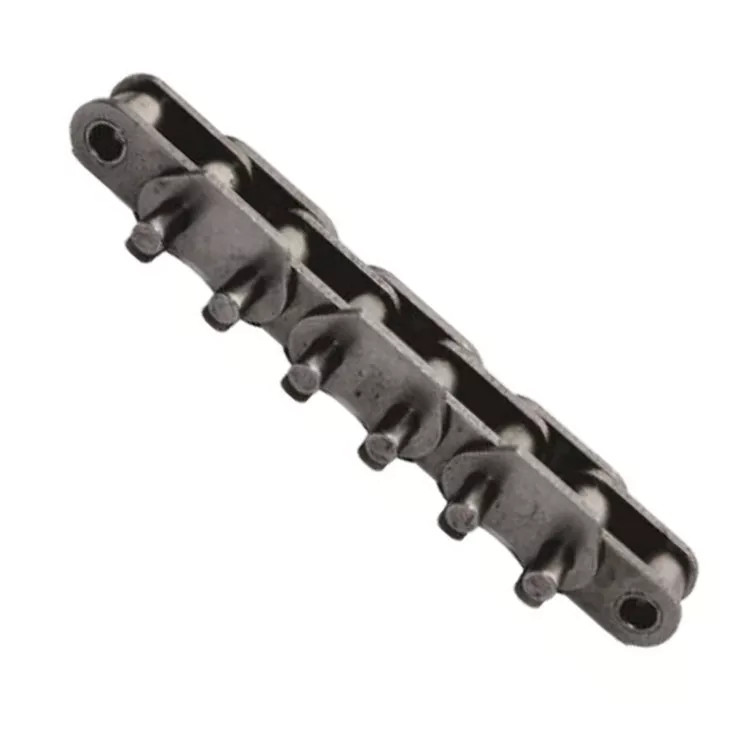
How do you prevent corrosion in conveyor chains?
Preventing corrosion in conveyor chains is essential for maintaining their performance and prolonging their lifespan. Here are some effective measures to prevent corrosion:
1. Material Selection: Choose conveyor chains made from corrosion-resistant materials such as stainless steel, plastic, or coatings specifically designed to resist corrosion. These materials offer better protection against rust and corrosion compared to standard steel chains.
2. Proper Lubrication: Apply a suitable lubricant to the conveyor chain regularly. Lubrication creates a protective barrier that helps prevent moisture and contaminants from reaching the metal surface, reducing the risk of corrosion. Select a lubricant that provides corrosion protection properties and is compatible with the chain material.
3. Environmental Controls: Control the operating environment to minimize exposure to corrosive elements. Implement measures such as humidity control, proper ventilation, and protection from direct contact with water or chemicals. Consider using covers or enclosures to shield the conveyor chain from environmental factors that can accelerate corrosion.
4. Surface Treatments: Apply corrosion-resistant coatings or treatments to the conveyor chain. These coatings can provide an additional protective layer that acts as a barrier against moisture and corrosive substances. Examples of surface treatments include zinc plating, galvanizing, or epoxy coatings.
5. Regular Inspections and Cleaning: Regularly inspect the conveyor chain for signs of corrosion or damage. Remove any accumulated dirt, debris, or corrosive substances promptly. Cleaning the chain helps prevent the buildup of contaminants that can accelerate corrosion.
6. Preventive Maintenance: Implement a preventive maintenance program that includes regular cleaning, lubrication, and inspection of the conveyor chain. This proactive approach helps identify and address any potential corrosion issues early on, preventing further damage.
7. Proper Storage: When not in use, store the conveyor chains in a dry and controlled environment. Protect them from exposure to moisture, humidity, and corrosive substances. Use appropriate storage methods, such as hanging the chains or storing them in sealed containers.
By following these preventive measures, you can significantly reduce the risk of corrosion in conveyor chains, ensuring their optimal performance and longevity.
Πώς αντιμετωπίζετε συνηθισμένα προβλήματα με τις αλυσίδες μεταφοράς;
Η αντιμετώπιση συνηθισμένων προβλημάτων με τις αλυσίδες μεταφοράς περιλαμβάνει τον εντοπισμό του προβλήματος και τη λήψη κατάλληλων μέτρων για την επίλυσή του. Ακολουθούν ορισμένα συνηθισμένα προβλήματα και προσεγγίσεις αντιμετώπισης προβλημάτων:
- Ολίσθηση αλυσίδας: Εάν η αλυσίδα γλιστράει ή δεν εμπλέκεται σωστά με τα γρανάζια, ελέγξτε για σωστή τάνυση, ευθυγράμμιση και λίπανση. Ρυθμίστε την τάνυση εάν είναι απαραίτητο και βεβαιωθείτε ότι η αλυσίδα είναι σωστά ευθυγραμμισμένη με τα γρανάζια.
- Μπλοκάρισμα αλυσίδας: Εάν η αλυσίδα μπλοκάρει ή κολλάει συχνά, ελέγξτε τον μεταφορικό ιμάντα για τυχόν εμπόδια ή ξένα αντικείμενα που μπορεί να προκαλούν το πρόβλημα. Καθαρίστε τυχόν υπολείμματα ή μπλοκαρίσματα και βεβαιωθείτε ότι η διαδρομή της αλυσίδας είναι ελεύθερη.
- Υπερβολικός θόρυβος: Εάν η αλυσίδα κάνει δυνατούς ή ασυνήθιστους θορύβους, ελέγξτε για σωστή λίπανση. Η ανεπαρκής λίπανση μπορεί να προκαλέσει αυξημένη τριβή και θόρυβο. Εφαρμόστε το κατάλληλο λιπαντικό σύμφωνα με τις συστάσεις του κατασκευαστή.
- Σπάσιμο αλυσίδας: Εάν η αλυσίδα σπάει συχνά, ελέγξτε για τυχόν κατεστραμμένα ή φθαρμένα εξαρτήματα. Αντικαταστήστε τυχόν σπασμένους ή φθαρμένους κρίκους, πείρους ή εξαρτήματα. Επίσης, ελέγξτε για σωστή τάνυση και ευθυγράμμιση, καθώς η υπερβολική τάνυση ή η κακή ευθυγράμμιση μπορεί να οδηγήσει σε σπάσιμο της αλυσίδας.
- Φθορά αλυσίδας: Εάν η αλυσίδα παρουσιάζει σημάδια φθοράς, όπως επιμήκυνση ή διάβρωση, σκεφτείτε να την αντικαταστήσετε. Η υπερβολική φθορά μπορεί να επηρεάσει την απόδοση και τη διάρκεια ζωής της αλυσίδας. Ελέγχετε και μετράτε τακτικά την αλυσίδα για φθορά και αντικαθιστάτε την όταν είναι απαραίτητο.
Είναι σημαντικό να ακολουθείτε τις σωστές πρακτικές συντήρησης, συμπεριλαμβανομένης της τακτικής επιθεώρησης, της λίπανσης και της τάνυσης, για την πρόληψη και την αντιμετώπιση συνηθισμένων προβλημάτων με τις αλυσίδες μεταφοράς. Συμβουλευτείτε τις οδηγίες του κατασκευαστή και ζητήστε επαγγελματική βοήθεια εάν χρειάζεται.


editor by CX 2023-08-04