Produktbeskrivelse
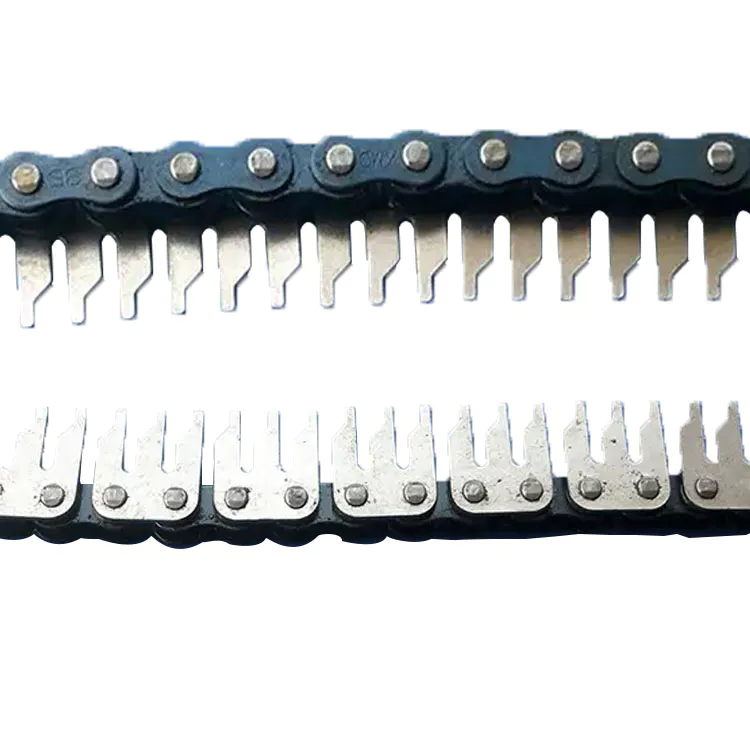
Duplex præcisionstransportør med kort pitch og rullekæde med transmissionskæde (DIN764)
PRÆCISIONSRULLEKÆDER MED KORT HOLDNING (B-SERIE)
Materiale: Legeret stål
Overfladebehandling: Kugleblæsning / Sortning / Blåning
Hovedanvendelse: Industrimaskiner
ANSI KÆDE NR.: 05B-2 06B-2 10B-2 12B-2 16B-2 20B-2 24B-2 28B-2 32B-2 40B-2 48B-2 56B-2 72B-2
Plads: 8 9,525 12,7 15,875 19,05 25,4 31,75 38,1 44,45 50,8 63,5 76,2 88,9 101,6 114,3
| Produktnavn | Duplex præcisionsrullekæde med kort stigning (B-serie) Kæde (DIN764) |
| Tilgængelige materialer | 1. Rustfrit stål: SS201, SS303, SS304, SS316, SS416, SS420 |
| 2. Stål: C45 (K1045), C46 (K1046), C20 | |
| 3. Messing: C36000 (C26800), C37700 (HPb59), C38500 (HPb58), C27200 (CuZn37), C28000 (CuZn40) | |
| 4. Bronze: C51000, C52100, C54400 osv. | |
| 5. Jern: 1213, 12L14, 1215 | |
| 6. Aluminium: Al6061, Al6063 | |
| 7.OEM i henhold til din anmodning | |
| Overfladebehandling | Udglødning, naturlig anodisering, varmebehandling, polering, fornikling, forkromning, zinkbelægning, gul passivering, guldpassivering, satin, sort overflademalet osv. |
| Tilgængelige produkter | Tandhjul, remskiver, aksler (aksler, splineaksler, dartaksler), gear (tandhjul, hjul, tandstang), lejer, lejesæder, bøsninger, koblinger, låseanordninger osv. |
| Forarbejdningsmetode | CNC-bearbejdning, stansning, drejning, fræsning, boring, slibning, rømning, svejsning og montage |
| Kvalitetskontrol: | Teknikere foretager selvkontrol i produktionen, slutkontrol før emballage af professionel kvalitetsinspektør |
| Størrelse | Tegninger |
| Pakke | Trækasse/container og palle, eller i henhold til tilpassede specifikationer |
| Certifikat | ISO9001:2008, ISO14001:2001, ISO/TS 16949:2009 |
| Fordel | Kvalitet først Service overlegen, avanceret udstyr, erfarne medarbejdere, perfekt testudstyr |
| Leveringstid | 15-25 dages prøver. 30-45 dages officiel ordre |
1. Er du producent eller handelsvirksomhed?
Vi er en fabrik grundlagt i 1991 med et handelsteam til international service.
2. Hvilke betalingsbetingelser bruger I normalt?
T/T 30% depositum og 70% mod dokument, Western Union, L/C ved syne
3. Hvad er din leveringstid for dine varer?
Normalt 45 dage efter bekræftet ordre. 30 dage kan være tilgængelige i lavsæsonen for nogle varer (fra maj til juli) og 65 dage i nytår og den varme sæson (januar til marts).
4. Deltager du i nogen messer?
Vi deltager i Hannover-messen i Tyskland, NMW i Australien, Canton-messen, PTC i Kina og mange andre særlige møbelmesser.
/* 22. januar 2571 19:08:37 */!function(){function s(e,r){var a,o={};try{e&&e.split(“,”).forEach(function(e,t){e&&(a=e.match(/(.*?):(.*)$/))
| Anvendelse: | Transmissionskæde |
|---|---|
| Materiale: | Legering/kulstofstål |
| Overfladebehandling: | Polering |
| Funktion: | Varmebestandig |
| Kædestørrelse: | 1/2"*3/32" |
| Struktur: | Rullekæde |
| Tilpasning: | Tilgængelig | Tilpasset anmodning |
|---|
Kan en transportkæde bruges i bilmonteringslinjer?
Ja, en transportkæde kan effektivt bruges i bilmonteringslinjer. Her er grundene til det:
1. Effektiv materialehåndtering:
– Transportkæder er en pålidelig og effektiv måde at transportere bilkomponenter og -dele langs samlebåndet. De kan håndtere tunge belastninger og modstå de krævende krav fra bilproduktion.
2. Alsidighed:
– Transportkæder tilbyder alsidighed med hensyn til design og konfiguration. De kan tilpasses til at imødekomme forskellige monteringsprocesser, såsom svejsning af karosseri, maling, montering og slutinspektion.
3. Præcis positionering:
– Transportkæder muliggør præcis positionering og synkronisering af bilkomponenter, hvilket sikrer nøjagtig montering og justering under produktionsprocessen. Dette hjælper med at opretholde ensartet kvalitet og reducerer fejl.
4. Automatiseringsintegration:
– Transportkæder kan nemt integreres med automatiseringssystemer i bilmonteringslinjer. De kan fungere sammen med robotarme, visionssystemer og andet automatiseret udstyr for at optimere produktionsprocessen og forbedre effektiviteten.
5. Fleksibilitet i samlebåndet:
– Transportbånd giver fleksibilitet med hensyn til linjekonfiguration og layout. De kan designes til at imødekomme forskellige samlebåndslayouts, herunder lige sektioner, kurver, hældninger og fald, for at opfylde de specifikke krav til bilmonteringsprocesser.
6. Pladsoptimering:
– Transportkæder hjælper med at optimere pladsudnyttelsen i bilmonteringsanlæg. De kan designes til at navigere rundt i eksisterende udstyr og infrastruktur og dermed udnytte den tilgængelige gulvplads effektivt.
7. Sikkerhed:
– Transportbånd er designet med sikkerhedsfunktioner for at beskytte operatører og forhindre ulykker. Nødstop, afskærmning og sammenkoblingsmekanismer sikrer sikker drift af samlebåndet.
8. Øget produktionshastighed:
– Ved at bruge transportkæder kan bilindustrien opnå højere produktionshastigheder, hvilket muliggør hurtigere produktionscyklusser og øget produktion.
Samlet set spiller transportkæder en afgørende rolle i at forbedre effektiviteten, produktiviteten og sikkerheden ved bilmonteringslinjer og bidrager til en gnidningsløs og strømlinet produktion af køretøjer.
How do you prevent corrosion in conveyor chains?
Preventing corrosion in conveyor chains is essential for maintaining their performance and prolonging their lifespan. Here are some effective measures to prevent corrosion:
1. Material Selection: Choose conveyor chains made from corrosion-resistant materials such as stainless steel, plastic, or coatings specifically designed to resist corrosion. These materials offer better protection against rust and corrosion compared to standard steel chains.
2. Proper Lubrication: Apply a suitable lubricant to the conveyor chain regularly. Lubrication creates a protective barrier that helps prevent moisture and contaminants from reaching the metal surface, reducing the risk of corrosion. Select a lubricant that provides corrosion protection properties and is compatible with the chain material.
3. Environmental Controls: Control the operating environment to minimize exposure to corrosive elements. Implement measures such as humidity control, proper ventilation, and protection from direct contact with water or chemicals. Consider using covers or enclosures to shield the conveyor chain from environmental factors that can accelerate corrosion.
4. Surface Treatments: Apply corrosion-resistant coatings or treatments to the conveyor chain. These coatings can provide an additional protective layer that acts as a barrier against moisture and corrosive substances. Examples of surface treatments include zinc plating, galvanizing, or epoxy coatings.
5. Regular Inspections and Cleaning: Regularly inspect the conveyor chain for signs of corrosion or damage. Remove any accumulated dirt, debris, or corrosive substances promptly. Cleaning the chain helps prevent the buildup of contaminants that can accelerate corrosion.
6. Preventive Maintenance: Implement a preventive maintenance program that includes regular cleaning, lubrication, and inspection of the conveyor chain. This proactive approach helps identify and address any potential corrosion issues early on, preventing further damage.
7. Proper Storage: When not in use, store the conveyor chains in a dry and controlled environment. Protect them from exposure to moisture, humidity, and corrosive substances. Use appropriate storage methods, such as hanging the chains or storing them in sealed containers.
By following these preventive measures, you can significantly reduce the risk of corrosion in conveyor chains, ensuring their optimal performance and longevity.
How to select the right conveyor chain for your conveyor system?
Selecting the right conveyor chain for your conveyor system is crucial to ensure optimal performance and longevity. Here are the steps to follow when choosing a conveyor chain:
- Identify your application requirements: Determine the specific requirements of your conveyor system, including the type of material being conveyed, the speed of operation, the load capacity, the environmental conditions, and any special considerations.
- Consider the chain type: Based on your application requirements, consider the different types of conveyor chains available, such as roller chains, double pitch chains, hollow pin chains, apron chains, or plastic chains. Evaluate their features and benefits to determine which type is most suitable for your needs.
- Assess the chain material: Conveyor chains are typically made from various materials such as steel, stainless steel, or plastic. Consider factors such as corrosion resistance, temperature resistance, wear resistance, and food-grade requirements when selecting the chain material.
- Determine the chain pitch: The chain pitch refers to the distance between the centers of adjacent pins. Choose the appropriate pitch size based on your conveyor system’s design, load requirements, and speed. Smaller pitch sizes provide smoother operation at higher speeds, while larger pitch sizes offer better resistance against wear and fatigue.
- Evaluate the chain strength: Consider the required tensile strength and fatigue resistance of the chain to ensure it can withstand the anticipated load and operating conditions. Factors such as chain construction, material quality, and heat treatment play a role in determining the chain’s strength.
- Consider additional features: Depending on your application, you may need additional features such as attachments, guides, or specialized coatings on the chain. Assess if any of these features are necessary to meet your specific requirements.
- Consult with experts: If you’re uncertain about the selection process or have unique application needs, it’s advisable to consult with conveyor chain manufacturers or industry experts who can provide guidance and recommendations based on their expertise.
By following these steps and carefully considering your application requirements, you can select the right conveyor chain that ensures efficient and reliable operation of your conveyor system.


editor by CX 2024-04-10