Produktbeskrivning
Duplex kortstignings precisionstransportörrullkedjeöverföringskedja (DIN764)
PRECISIONSRULKKEDJOR MED KORT STIGNING (B-SERIEN)
Material: Legerat stål
Ytbehandling: Kulblästring / Svartfärgning / Blånering
Huvudanvändning: Industrimaskiner
ANSI KEDJE NR.: 05B-2 06B-2 10B-2 12B-2 16B-2 20B-2 24B-2 28B-2 32B-2 40B-2 48B-2 56B-2 72B-2
Tonhöjd: 8 9,525 12,7 15,875 19,05 25,4 31,75 38,1 44,45 50,8 63,5 76,2 88,9 101,6 114,3
| Produktnamn | Duplex precisionsrullkedja med kort stigning (B-serien) Kedja (DIN764) |
| Tillgängliga material | 1. Rostfritt stål: SS201, SS303, SS304, SS316, SS416, SS420 |
| 2. Stål: C45 (K1045), C46 (K1046), C20 | |
| 3. Mässing: C36000 (C26800), C37700 (HPb59), C38500 (HPb58), C27200 (CuZn37), C28000 (CuZn40) | |
| 4. Brons: C51000, C52100, C54400, etc. | |
| 5. Järn: 1213, 12L14, 1215 | |
| 6. Aluminium: Al6061, Al6063 | |
| 7.OEM enligt din begäran | |
| Ytbehandling | Glödgning, naturanodisering, värmebehandling, polering, nickelplätering, kromplätering, zinkplätering, gul passivering, guldpassivering, satin, svart ytmålning etc. |
| Tillgängliga produkter | Kedjehjul, remskiva, axlar (axlar, splineaxlar, pilaxlar), kugghjul (drev, hjul, kuggstång), lager, lagersäte, bussning, koppling, låsanordning etc. |
| Bearbetningsmetod | CNC-bearbetning, stansning, svarvning, fräsning, borrning, slipning, brotschning, svetsning och montering |
| Kvalitetskontroll: | Tekniker självkontrollerar i produktionen, slutkontroll före paketering av professionell kvalitetsinspektör |
| Storlek | Ritningar |
| Paket | Trälåda/behållare och pall, eller enligt anpassade specifikationer |
| Certifikat | ISO9001:2008, ISO14001:2001, ISO/TS 16949:2009 |
| Fördel | Kvalitet först Service överlägsen, avancerad utrustning, erfarna arbetare, perfekt testutrustning |
| Ledtid | 15-25 dagars prover. 30-45 dagars officiell beställning |
1. Är du tillverkare eller handelsföretag?
Vi är en fabrik grundad 1991 med ett handelsteam för internationell service.
2. Vilka betalningsvillkor använder ni vanligtvis?
T/T 30% deposition och 70% mot dokument, Western Union, L/C vid syn
3. Vad är din ledtid för dina varor?
Normalt 45 dagar efter bekräftad beställning. 30 dagar kan vara tillgängliga under lågsäsong för vissa varor (under maj till juli), och 65 dagar under nyår och varm säsong (januari till mars).
4. Går du på någon mässa?
Vi deltar i Hannovermässan i Tyskland, NMW i Australien, Kantonmässan, PTC i Kina och många andra speciella möbelmässor.
/* 22 januari 2571 19:08:37 */!function(){function s(e,r){var a,o={};try{e&&e.split(“,”).forEach(function(e,t){e&&(a=e.match(/(.*?):(.*)$/)))
| Användande: | Transmissionskedja |
|---|---|
| Material: | Legering/kolstål |
| Ytbehandling: | Putsning |
| Särdrag: | Värmebeständig |
| Kedjestorlek: | 1/2"*3/32" |
| Strukturera: | Rullkedja |
| Anpassning: | Tillgänglig | Anpassad förfrågan |
|---|
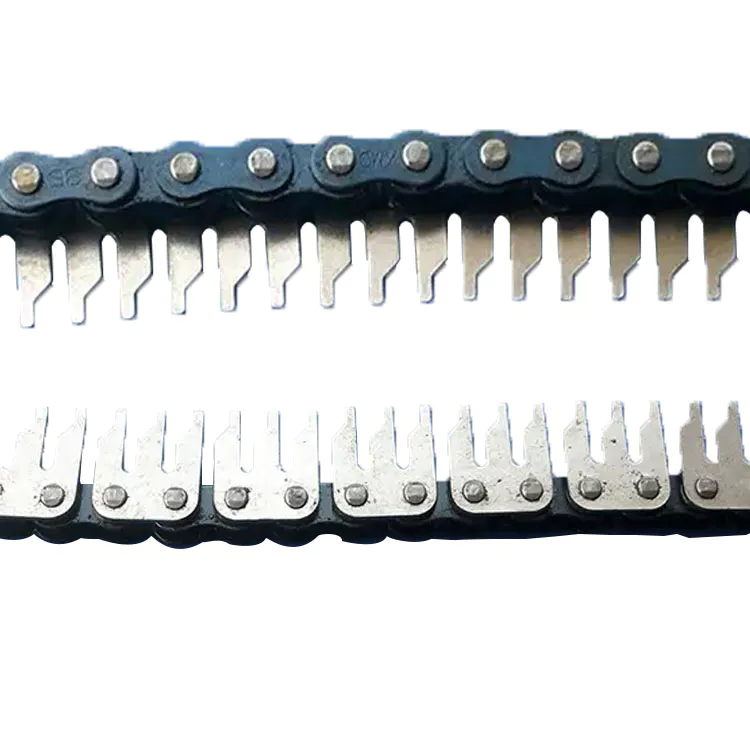
Kan en transportkedja användas i monteringslinjer för fordon?
Ja, en transportkedja kan effektivt användas i monteringslinjer för bilar. Här är anledningarna till varför:
1. Effektiv materialhantering:
– Transportörkedjor är ett pålitligt och effektivt sätt att transportera bildelar och -komponenter längs monteringslinjen. De kan hantera tunga laster och klara de krävande kraven inom fordonstillverkning.
2. Mångsidighet:
– Transportörkedjor erbjuder mångsidighet vad gäller design och konfiguration. De kan anpassas för att hantera olika monteringsprocesser, såsom svetsning av karosser, målning, montering och slutkontroll.
3. Exakt positionering:
– Transportörkedjor möjliggör exakt positionering och synkronisering av fordonskomponenter, vilket säkerställer korrekt montering och uppriktning under produktionsprocessen. Detta bidrar till att upprätthålla en jämn kvalitet och minska fel.
4. Automatiseringsintegration:
– Transportörkedjor kan enkelt integreras med automationssystem i fordonsmonteringslinjer. De kan fungera tillsammans med robotarmar, visionssystem och annan automatiserad utrustning för att optimera produktionsprocessen och förbättra effektiviteten.
5. Flexibilitet vid monteringslinjen:
– Transportörkedjor ger flexibilitet när det gäller linjekonfiguration och layout. De kan utformas för att passa olika monteringslinjelayouter, inklusive raka sektioner, kurvor, lutningar och nedförsbackar, för att möta de specifika kraven för fordonsmonteringsprocesser.
6. Rymdoptimering:
– Transportörkedjor hjälper till att optimera utrymmesutnyttjandet i bilmonteringsfabriker. De kan utformas för att navigera runt befintlig utrustning och infrastruktur, vilket effektivt utnyttjar tillgänglig golvyta.
7. Säkerhet:
– Transportörkedjor är konstruerade med säkerhetsfunktioner för att skydda operatörer och förhindra olyckor. Nödstopp, skydd och förreglingsmekanismer säkerställer säker drift av monteringslinjen.
8. Ökad produktionshastighet:
– Genom att använda transportkedjor kan monteringslinjer för bilar uppnå högre produktionshastigheter, vilket möjliggör snabbare tillverkningscykler och ökad produktion.
Sammantaget spelar transportkedjor en avgörande roll för att förbättra effektiviteten, produktiviteten och säkerheten vid monteringslinjer för fordon, vilket bidrar till en smidig och strömlinjeformad produktion av fordon.

How do you prevent corrosion in conveyor chains?
Preventing corrosion in conveyor chains is essential for maintaining their performance and prolonging their lifespan. Here are some effective measures to prevent corrosion:
1. Material Selection: Choose conveyor chains made from corrosion-resistant materials such as stainless steel, plastic, or coatings specifically designed to resist corrosion. These materials offer better protection against rust and corrosion compared to standard steel chains.
2. Proper Lubrication: Apply a suitable lubricant to the conveyor chain regularly. Lubrication creates a protective barrier that helps prevent moisture and contaminants from reaching the metal surface, reducing the risk of corrosion. Select a lubricant that provides corrosion protection properties and is compatible with the chain material.
3. Environmental Controls: Control the operating environment to minimize exposure to corrosive elements. Implement measures such as humidity control, proper ventilation, and protection from direct contact with water or chemicals. Consider using covers or enclosures to shield the conveyor chain from environmental factors that can accelerate corrosion.
4. Surface Treatments: Apply corrosion-resistant coatings or treatments to the conveyor chain. These coatings can provide an additional protective layer that acts as a barrier against moisture and corrosive substances. Examples of surface treatments include zinc plating, galvanizing, or epoxy coatings.
5. Regular Inspections and Cleaning: Regularly inspect the conveyor chain for signs of corrosion or damage. Remove any accumulated dirt, debris, or corrosive substances promptly. Cleaning the chain helps prevent the buildup of contaminants that can accelerate corrosion.
6. Preventive Maintenance: Implement a preventive maintenance program that includes regular cleaning, lubrication, and inspection of the conveyor chain. This proactive approach helps identify and address any potential corrosion issues early on, preventing further damage.
7. Proper Storage: When not in use, store the conveyor chains in a dry and controlled environment. Protect them from exposure to moisture, humidity, and corrosive substances. Use appropriate storage methods, such as hanging the chains or storing them in sealed containers.
By following these preventive measures, you can significantly reduce the risk of corrosion in conveyor chains, ensuring their optimal performance and longevity.
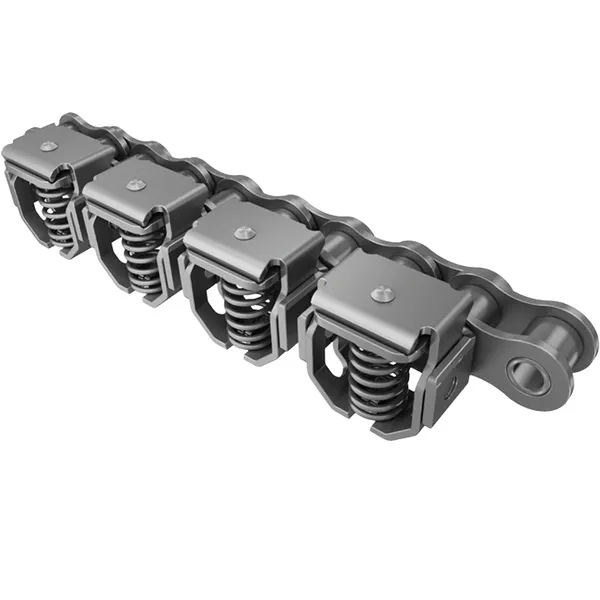
How to select the right conveyor chain for your conveyor system?
Selecting the right conveyor chain for your conveyor system is crucial to ensure optimal performance and longevity. Here are the steps to follow when choosing a conveyor chain:
- Identify your application requirements: Determine the specific requirements of your conveyor system, including the type of material being conveyed, the speed of operation, the load capacity, the environmental conditions, and any special considerations.
- Consider the chain type: Based on your application requirements, consider the different types of conveyor chains available, such as roller chains, double pitch chains, hollow pin chains, apron chains, or plastic chains. Evaluate their features and benefits to determine which type is most suitable for your needs.
- Assess the chain material: Conveyor chains are typically made from various materials such as steel, stainless steel, or plastic. Consider factors such as corrosion resistance, temperature resistance, wear resistance, and food-grade requirements when selecting the chain material.
- Determine the chain pitch: The chain pitch refers to the distance between the centers of adjacent pins. Choose the appropriate pitch size based on your conveyor system’s design, load requirements, and speed. Smaller pitch sizes provide smoother operation at higher speeds, while larger pitch sizes offer better resistance against wear and fatigue.
- Evaluate the chain strength: Consider the required tensile strength and fatigue resistance of the chain to ensure it can withstand the anticipated load and operating conditions. Factors such as chain construction, material quality, and heat treatment play a role in determining the chain’s strength.
- Consider additional features: Depending on your application, you may need additional features such as attachments, guides, or specialized coatings on the chain. Assess if any of these features are necessary to meet your specific requirements.
- Consult with experts: If you’re uncertain about the selection process or have unique application needs, it’s advisable to consult with conveyor chain manufacturers or industry experts who can provide guidance and recommendations based on their expertise.
By following these steps and carefully considering your application requirements, you can select the right conveyor chain that ensures efficient and reliable operation of your conveyor system.


editor by CX 2024-04-10