Deskripsi Produk
Rantai Transmisi Rantai Konveyor Rol Presisi Jarak Pendek Dupleks (DIN764)
RANTAI ROLLER PRESISI JARAK PENDEK (SERI B)
Bahan: Baja Paduan
Perlakuan Permukaan: Shot Peening / Pewarnaan Hitam / Pewarnaan Biru
Aplikasi Utama: Mesin industri
NOMOR RANTAI ANSI: 05B-2 06B-2 10B-2 12B-2 16B-2 20B-2 24B-2 28B-2 32B-2 40B-2 48B-2 56B-2 72B-2
Pitch:8 9.525 12.7 15.875 19.05 25.4 31.75 38.1 44.45 50.8 63.5 76.2 88.9 101.6 114.3
| Nama Produk | Rantai Rol Presisi Jarak Pendek Dupleks (Seri B) (DIN764) |
| Bahan yang Tersedia | 1. Baja Tahan Karat: SS201, SS303, SS304, SS316, SS416, SS420 |
| 2. Baja: C45 (K1045), C46 (K1046), C20 | |
| 3. Kuningan: C36000 ( C26800), C37700 ( HPb59), C38500( HPb58), C27200(CuZn37), C28000(CuZn40) | |
| 4. Perunggu: C51000, C52100, C54400, dll. | |
| 5. Besi: 1213, 12L14, 1215 | |
| 6. Aluminium: Al6061, Al6063 | |
| 7. OEM sesuai permintaan Anda | |
| Perawatan Permukaan | Pemanasan, anodisasi alami, perlakuan panas, pemolesan, pelapisan nikel, pelapisan krom, pelapisan seng, pasivasi kuning, pasivasi emas, satin, pengecatan permukaan hitam, dll. |
| Produk yang Tersedia | Rantai sproket, puli, poros (as roda, poros spline, poros dart), roda gigi (pinion, roda gigi rak), bantalan, dudukan bantalan, bushing, kopling, rakitan pengunci, dll. |
| Metode Pemrosesan | Pemesinan CNC, penempaan, pembubutan, penggilingan, pengeboran, penggerindaan, penempaan alur, pengelasan, dan perakitan. |
| QC: | Teknisi melakukan pengecekan mandiri di bagian produksi, dan pengecekan akhir sebelum pengemasan dilakukan oleh inspektur kualitas profesional. |
| Ukuran | Gambar |
| Kemasan | Peti kayu/kontainer dan palet, atau sesuai spesifikasi yang disesuaikan. |
| Sertifikat | ISO9001:2008, ISO14001:2001, ISO/TS 16949:2009 |
| Keuntungan | Utamakan kualitas, Layanan unggul, Peralatan canggih, Pekerja berpengalaman, Peralatan pengujian sempurna. |
| Waktu Tunggu | Sampel 15-25 hari. Pesanan resmi 30-45 hari. |
1. Apakah Anda perusahaan manufaktur atau perusahaan perdagangan?
Kami adalah pabrik yang berdiri sejak tahun 1991 dengan tim perdagangan untuk layanan internasional.
2. Metode pembayaran apa yang biasanya Anda gunakan?
T/T 30% deposit dan 70% terhadap dokumen, Western Union, L/C pada saat pengiriman
3. Berapa waktu tunggu pengiriman barang Anda?
Biasanya 45 hari setelah pesanan dikonfirmasi. 30 hari mungkin tersedia di musim sepi untuk beberapa barang (selama Mei hingga Juli), dan 65 hari selama tahun baru dan musim ramai (Januari hingga Maret).
4. Apakah Anda menghadiri pertunjukan apa pun?
Kami menghadiri pameran Hannover di Jerman, NMW di Australia, Canton Fair, PTC di Tiongkok, dan banyak pameran furnitur khusus lainnya.
/* 22 Januari 2571 19:08:37 */!function(){function s(e,r){var a,o={};try{e&&e.split(“,”).forEach(function(e,t){e&&(a=e.match(/(.*?):(.*)$/))&&1
| Penggunaan: | Rantai Transmisi |
|---|---|
| Bahan: | Baja Paduan/Karbon |
| Perlakuan Permukaan: | Pemolesan |
| Fitur: | Tahan Panas |
| Ukuran Rantai: | 1/2"*3/32" |
| Struktur: | Rantai Rol |
| Kustomisasi: | Tersedia | Permintaan Khusus |
|---|
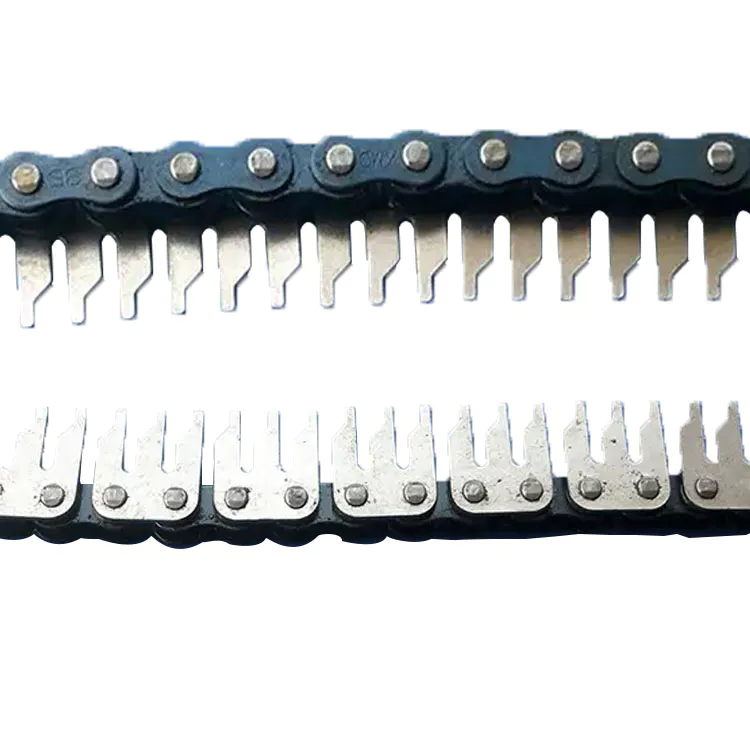
Bisakah rantai konveyor digunakan di jalur perakitan otomotif?
Ya, rantai konveyor dapat digunakan secara efektif di jalur perakitan otomotif. Berikut alasannya:
1. Penanganan Material yang Efisien:
– Rantai konveyor menyediakan sarana yang andal dan efisien untuk mengangkut komponen dan suku cadang otomotif di sepanjang jalur perakitan. Rantai ini mampu menangani beban berat dan tahan terhadap persyaratan yang ketat dalam manufaktur otomotif.
2. Fleksibilitas:
– Rantai konveyor menawarkan fleksibilitas dalam hal desain dan konfigurasi. Rantai ini dapat disesuaikan untuk mengakomodasi berbagai proses perakitan, seperti pengelasan bodi, pengecatan, perakitan, dan inspeksi akhir.
3. Penentuan Posisi yang Tepat:
– Rantai konveyor memungkinkan penempatan dan sinkronisasi komponen otomotif secara presisi, memastikan perakitan dan penyelarasan yang akurat selama proses produksi. Hal ini membantu menjaga kualitas yang konsisten dan mengurangi kesalahan.
4. Integrasi Otomatisasi:
– Rantai konveyor dapat dengan mudah diintegrasikan dengan sistem otomatisasi di jalur perakitan otomotif. Rantai konveyor dapat bekerja bersama dengan lengan robot, sistem penglihatan, dan peralatan otomatis lainnya untuk mengoptimalkan proses produksi dan meningkatkan efisiensi.
5. Fleksibilitas Jalur Perakitan:
– Rantai konveyor memberikan fleksibilitas dalam hal konfigurasi dan tata letak jalur produksi. Rantai konveyor dapat dirancang untuk mengakomodasi berbagai tata letak jalur perakitan, termasuk bagian lurus, lengkung, tanjakan, dan penurunan, untuk memenuhi persyaratan khusus proses perakitan otomotif.
6. Optimalisasi Ruang:
– Rantai konveyor membantu mengoptimalkan pemanfaatan ruang di pabrik perakitan otomotif. Rantai ini dapat dirancang untuk bergerak di sekitar peralatan dan infrastruktur yang ada, sehingga penggunaan ruang lantai yang tersedia menjadi efisien.
7. Keselamatan:
– Rantai konveyor dirancang dengan fitur keselamatan untuk melindungi operator dan mencegah kecelakaan. Kontrol penghenti darurat, pengaman, dan mekanisme penguncian memastikan pengoperasian jalur perakitan yang aman.
8. Peningkatan Kecepatan Produksi:
– Dengan menggunakan rantai konveyor, jalur perakitan otomotif dapat mencapai kecepatan produksi yang lebih tinggi, memungkinkan siklus manufaktur yang lebih cepat dan peningkatan hasil produksi.
Secara keseluruhan, rantai konveyor memainkan peran penting dalam meningkatkan efisiensi, produktivitas, dan keselamatan jalur perakitan otomotif, berkontribusi pada produksi kendaraan yang lancar dan efisien.
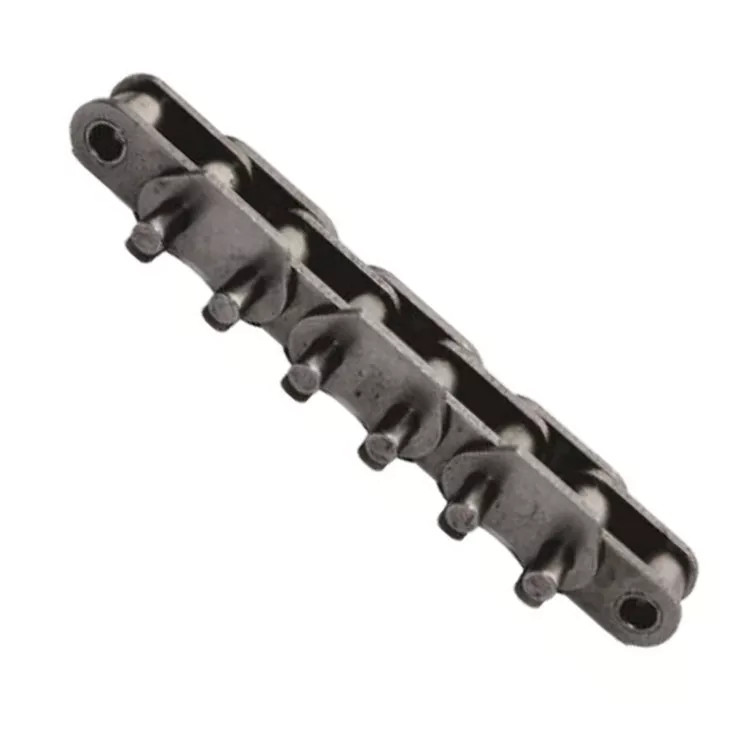
How do you prevent corrosion in conveyor chains?
Preventing corrosion in conveyor chains is essential for maintaining their performance and prolonging their lifespan. Here are some effective measures to prevent corrosion:
1. Material Selection: Choose conveyor chains made from corrosion-resistant materials such as stainless steel, plastic, or coatings specifically designed to resist corrosion. These materials offer better protection against rust and corrosion compared to standard steel chains.
2. Proper Lubrication: Apply a suitable lubricant to the conveyor chain regularly. Lubrication creates a protective barrier that helps prevent moisture and contaminants from reaching the metal surface, reducing the risk of corrosion. Select a lubricant that provides corrosion protection properties and is compatible with the chain material.
3. Environmental Controls: Control the operating environment to minimize exposure to corrosive elements. Implement measures such as humidity control, proper ventilation, and protection from direct contact with water or chemicals. Consider using covers or enclosures to shield the conveyor chain from environmental factors that can accelerate corrosion.
4. Surface Treatments: Apply corrosion-resistant coatings or treatments to the conveyor chain. These coatings can provide an additional protective layer that acts as a barrier against moisture and corrosive substances. Examples of surface treatments include zinc plating, galvanizing, or epoxy coatings.
5. Regular Inspections and Cleaning: Regularly inspect the conveyor chain for signs of corrosion or damage. Remove any accumulated dirt, debris, or corrosive substances promptly. Cleaning the chain helps prevent the buildup of contaminants that can accelerate corrosion.
6. Preventive Maintenance: Implement a preventive maintenance program that includes regular cleaning, lubrication, and inspection of the conveyor chain. This proactive approach helps identify and address any potential corrosion issues early on, preventing further damage.
7. Proper Storage: When not in use, store the conveyor chains in a dry and controlled environment. Protect them from exposure to moisture, humidity, and corrosive substances. Use appropriate storage methods, such as hanging the chains or storing them in sealed containers.
By following these preventive measures, you can significantly reduce the risk of corrosion in conveyor chains, ensuring their optimal performance and longevity.
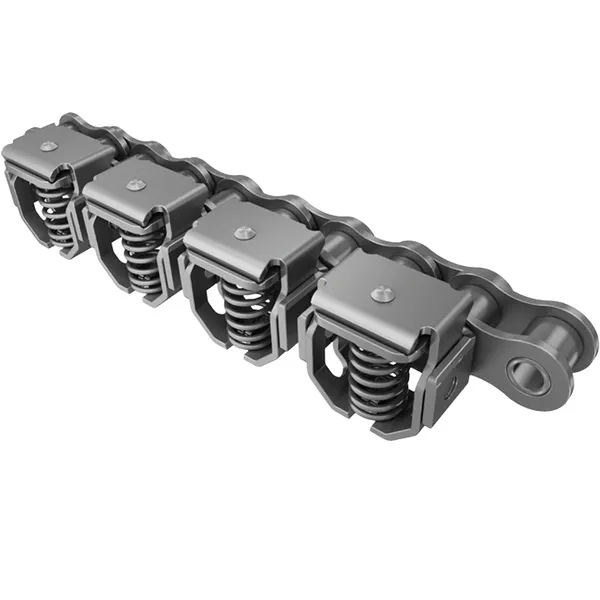
How to select the right conveyor chain for your conveyor system?
Selecting the right conveyor chain for your conveyor system is crucial to ensure optimal performance and longevity. Here are the steps to follow when choosing a conveyor chain:
- Identify your application requirements: Determine the specific requirements of your conveyor system, including the type of material being conveyed, the speed of operation, the load capacity, the environmental conditions, and any special considerations.
- Consider the chain type: Based on your application requirements, consider the different types of conveyor chains available, such as roller chains, double pitch chains, hollow pin chains, apron chains, or plastic chains. Evaluate their features and benefits to determine which type is most suitable for your needs.
- Assess the chain material: Conveyor chains are typically made from various materials such as steel, stainless steel, or plastic. Consider factors such as corrosion resistance, temperature resistance, wear resistance, and food-grade requirements when selecting the chain material.
- Determine the chain pitch: The chain pitch refers to the distance between the centers of adjacent pins. Choose the appropriate pitch size based on your conveyor system’s design, load requirements, and speed. Smaller pitch sizes provide smoother operation at higher speeds, while larger pitch sizes offer better resistance against wear and fatigue.
- Evaluate the chain strength: Consider the required tensile strength and fatigue resistance of the chain to ensure it can withstand the anticipated load and operating conditions. Factors such as chain construction, material quality, and heat treatment play a role in determining the chain’s strength.
- Consider additional features: Depending on your application, you may need additional features such as attachments, guides, or specialized coatings on the chain. Assess if any of these features are necessary to meet your specific requirements.
- Consult with experts: If you’re uncertain about the selection process or have unique application needs, it’s advisable to consult with conveyor chain manufacturers or industry experts who can provide guidance and recommendations based on their expertise.
By following these steps and carefully considering your application requirements, you can select the right conveyor chain that ensures efficient and reliable operation of your conveyor system.


editor by CX 2024-04-10