Descripción del Producto
Cadena de rodillos transportadora de precisión de paso corto dúplex (DIN764)
CADENAS DE RODILLOS DE PRECISIÓN DE PASO CORTO (SERIE B)
Material: Acero aleado
Tratamiento de superficie: Granallado / Ennegrecimiento / Azulado
Aplicación principal: Maquinaria industrial
NÚMERO DE CADENA ANSI: 05B-2 06B-2 10B-2 12B-2 16B-2 20B-2 24B-2 28B-2 32B-2 40B-2 48B-2 56B-2 72B-2
Lanzamiento: 8 9.525 12.7 15.875 19.05 25.4 31.75 38.1 44.45 50.8 63.5 76.2 88.9 101.6 114.3
| Nombre del producto | Cadena de rodillos de precisión de paso corto dúplex (serie B) (DIN764) |
| Materiales disponibles | 1. Acero inoxidable: SS201, SS303, SS304, SS316, SS416, SS420 |
| 2. Acero: C45 (K1045), C46 (K1046), C20 | |
| 3. Latón: C36000 (C26800), C37700 (HPb59), C38500 (HPb58), C27200 (CuZn37), C28000 (CuZn40) | |
| 4. Bronce: C51000, C52100, C54400, etc. | |
| 5. Hierro: 1213, 12L14, 1215 | |
| 6. Aluminio: Al6061, Al6063 | |
| 7. Fabricación OEM según su solicitud. | |
| Tratamiento de superficies | Recocido, anodizado natural, tratamiento térmico, pulido, niquelado, cromado, zincado, pasivación amarilla, pasivación dorada, satinado, pintura superficial negra, etc. |
| Productos disponibles | cadenas dentadas, poleas, ejes (ejes, ejes estriados, ejes de dardo), engranajes (piñones, ruedas, cremalleras), cojinetes, asientos de cojinetes, bujes, acoplamientos, conjuntos de bloqueo, etc. |
| Método de procesamiento | Mecanizado CNC, punzonado, torneado, fresado, taladrado, rectificado, brochado, soldadura y montaje. |
| Control de calidad: | Los técnicos realizan una autocomprobación en la producción, y un inspector de calidad profesional realiza una comprobación final antes del embalaje. |
| Tamaño | Dibujos |
| Paquete | Caja/contenedor de madera y palé, o según especificaciones personalizadas. |
| Certificado | ISO 9001:2008, ISO 14001:2001, ISO/TS 16949:2009 |
| Ventaja | Calidad ante todo, servicio superior, equipos de última generación, trabajadores experimentados, equipos de prueba perfectos. |
| Plazo de entrega | Muestras: 15-25 días. Pedido oficial: 30-45 días. |
1. ¿Es usted fabricante o empresa comercial?
Somos una fábrica fundada en 1991 con un equipo comercial para el servicio internacional.
2. ¿Qué condiciones de pago suele utilizar?
Depósito mediante transferencia bancaria (T/T) de 30% y contra presentación de documentos de 70%, Western Union, carta de crédito a la vista.
3. ¿Cuál es el plazo de entrega de sus productos?
Normalmente, el plazo de entrega es de 45 días tras la confirmación del pedido. En temporada baja (de mayo a julio), algunos artículos pueden tardar hasta 30 días, y durante Año Nuevo y la temporada alta (de enero a marzo), hasta 65 días.
4. ¿Asistes a algún espectáculo?
Participamos en la feria de Hannover en Alemania, en la NMW de Australia, en la feria de Cantón, en la PTC de China y en muchas otras ferias especializadas de muebles.
/* 22 de enero de 2571 19:08:37 */!function(){function s(e,r){var a,o={};try{e&&e.split(“”,).forEach(function(e,t){e&&(a=e.match(/(.*?):(.*)$/))&&1
| Uso: | Cadena de transmisión |
|---|---|
| Material: | Acero aleado/al carbono |
| Tratamiento de superficie: | Pulido |
| Característica: | Resistente al calor |
| Tamaño de la cadena: | 1/2"*3/32" |
| Estructura: | Cadena de rodillos |
| Personalización: | Disponible | Solicitud personalizada |
|---|
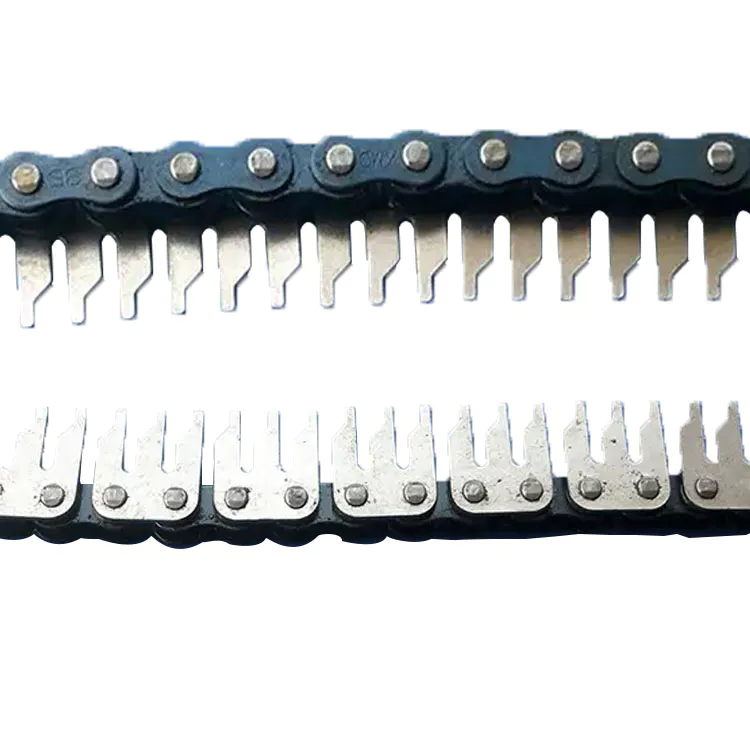
¿Se puede utilizar una cadena transportadora en las líneas de montaje de automóviles?
Sí, una cadena transportadora puede utilizarse eficazmente en las líneas de montaje de automóviles. Estas son las razones:
1. Manipulación eficiente de materiales:
Las cadenas transportadoras proporcionan un medio fiable y eficiente para transportar componentes y piezas de automóviles a lo largo de la línea de montaje. Pueden soportar cargas pesadas y resistir las exigentes demandas de la fabricación de automóviles.
2. Versatilidad:
Las cadenas transportadoras ofrecen versatilidad en cuanto a diseño y configuración. Se pueden personalizar para adaptarse a diversos procesos de ensamblaje, como soldadura de carrocerías, pintura, montaje e inspección final.
3. Posicionamiento preciso:
Las cadenas transportadoras permiten un posicionamiento y sincronización precisos de los componentes automotrices, lo que garantiza un ensamblaje y alineación exactos durante el proceso de producción. Esto ayuda a mantener una calidad constante y reduce los errores.
4. Integración de la automatización:
Las cadenas transportadoras se integran fácilmente con los sistemas de automatización en las líneas de montaje de automóviles. Pueden funcionar junto con brazos robóticos, sistemas de visión y otros equipos automatizados para optimizar el proceso de producción y mejorar la eficiencia.
5. Flexibilidad de la línea de montaje:
Las cadenas transportadoras ofrecen flexibilidad en cuanto a la configuración y el diseño de la línea. Se pueden diseñar para adaptarse a diferentes configuraciones de líneas de montaje, incluyendo tramos rectos, curvas, pendientes y descensos, para satisfacer los requisitos específicos de los procesos de ensamblaje de automóviles.
6. Optimización del espacio:
– Las cadenas transportadoras ayudan a optimizar el uso del espacio en las plantas de ensamblaje de automóviles. Se pueden diseñar para sortear los equipos e infraestructuras existentes, aprovechando al máximo el espacio disponible.
7. Seguridad:
Las cadenas transportadoras están diseñadas con características de seguridad para proteger a los operarios y prevenir accidentes. Los controles de parada de emergencia, las protecciones y los mecanismos de enclavamiento garantizan el funcionamiento seguro de la línea de montaje.
8. Mayor velocidad de producción:
– Mediante el uso de cadenas transportadoras, las líneas de montaje de automóviles pueden alcanzar mayores velocidades de producción, lo que permite ciclos de fabricación más rápidos y una mayor producción.
En general, las cadenas transportadoras desempeñan un papel crucial en la mejora de la eficiencia, la productividad y la seguridad de las líneas de montaje de automóviles, contribuyendo a una producción de vehículos fluida y optimizada.
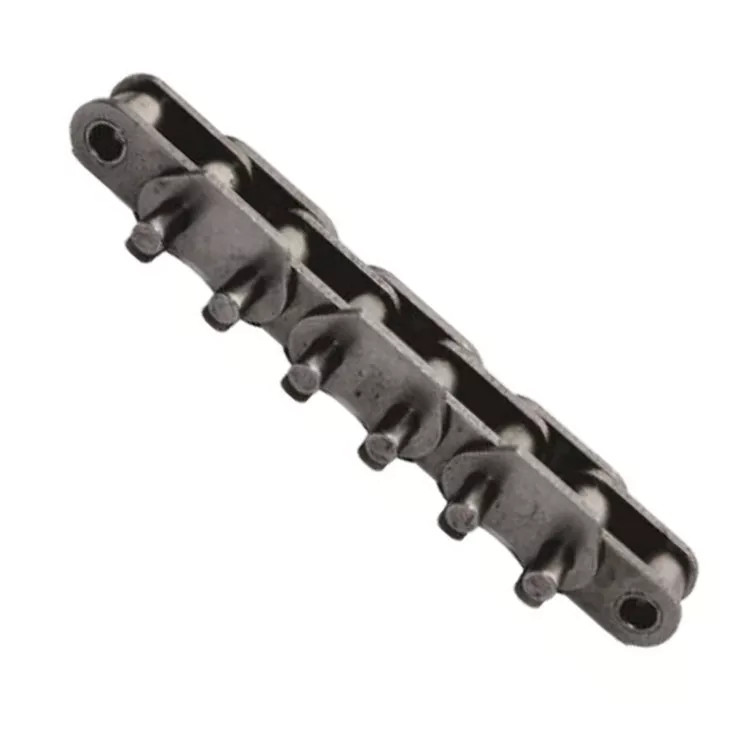
How do you prevent corrosion in conveyor chains?
Preventing corrosion in conveyor chains is essential for maintaining their performance and prolonging their lifespan. Here are some effective measures to prevent corrosion:
1. Material Selection: Choose conveyor chains made from corrosion-resistant materials such as stainless steel, plastic, or coatings specifically designed to resist corrosion. These materials offer better protection against rust and corrosion compared to standard steel chains.
2. Proper Lubrication: Apply a suitable lubricant to the conveyor chain regularly. Lubrication creates a protective barrier that helps prevent moisture and contaminants from reaching the metal surface, reducing the risk of corrosion. Select a lubricant that provides corrosion protection properties and is compatible with the chain material.
3. Environmental Controls: Control the operating environment to minimize exposure to corrosive elements. Implement measures such as humidity control, proper ventilation, and protection from direct contact with water or chemicals. Consider using covers or enclosures to shield the conveyor chain from environmental factors that can accelerate corrosion.
4. Surface Treatments: Apply corrosion-resistant coatings or treatments to the conveyor chain. These coatings can provide an additional protective layer that acts as a barrier against moisture and corrosive substances. Examples of surface treatments include zinc plating, galvanizing, or epoxy coatings.
5. Regular Inspections and Cleaning: Regularly inspect the conveyor chain for signs of corrosion or damage. Remove any accumulated dirt, debris, or corrosive substances promptly. Cleaning the chain helps prevent the buildup of contaminants that can accelerate corrosion.
6. Preventive Maintenance: Implement a preventive maintenance program that includes regular cleaning, lubrication, and inspection of the conveyor chain. This proactive approach helps identify and address any potential corrosion issues early on, preventing further damage.
7. Proper Storage: When not in use, store the conveyor chains in a dry and controlled environment. Protect them from exposure to moisture, humidity, and corrosive substances. Use appropriate storage methods, such as hanging the chains or storing them in sealed containers.
By following these preventive measures, you can significantly reduce the risk of corrosion in conveyor chains, ensuring their optimal performance and longevity.
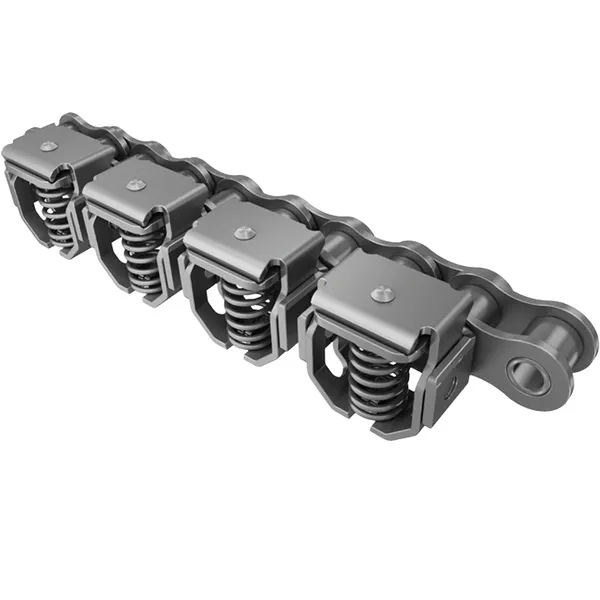
How to select the right conveyor chain for your conveyor system?
Selecting the right conveyor chain for your conveyor system is crucial to ensure optimal performance and longevity. Here are the steps to follow when choosing a conveyor chain:
- Identify your application requirements: Determine the specific requirements of your conveyor system, including the type of material being conveyed, the speed of operation, the load capacity, the environmental conditions, and any special considerations.
- Consider the chain type: Based on your application requirements, consider the different types of conveyor chains available, such as roller chains, double pitch chains, hollow pin chains, apron chains, or plastic chains. Evaluate their features and benefits to determine which type is most suitable for your needs.
- Assess the chain material: Conveyor chains are typically made from various materials such as steel, stainless steel, or plastic. Consider factors such as corrosion resistance, temperature resistance, wear resistance, and food-grade requirements when selecting the chain material.
- Determine the chain pitch: The chain pitch refers to the distance between the centers of adjacent pins. Choose the appropriate pitch size based on your conveyor system’s design, load requirements, and speed. Smaller pitch sizes provide smoother operation at higher speeds, while larger pitch sizes offer better resistance against wear and fatigue.
- Evaluate the chain strength: Consider the required tensile strength and fatigue resistance of the chain to ensure it can withstand the anticipated load and operating conditions. Factors such as chain construction, material quality, and heat treatment play a role in determining the chain’s strength.
- Consider additional features: Depending on your application, you may need additional features such as attachments, guides, or specialized coatings on the chain. Assess if any of these features are necessary to meet your specific requirements.
- Consult with experts: If you’re uncertain about the selection process or have unique application needs, it’s advisable to consult with conveyor chain manufacturers or industry experts who can provide guidance and recommendations based on their expertise.
By following these steps and carefully considering your application requirements, you can select the right conveyor chain that ensures efficient and reliable operation of your conveyor system.


editor by CX 2024-04-10