제품 설명
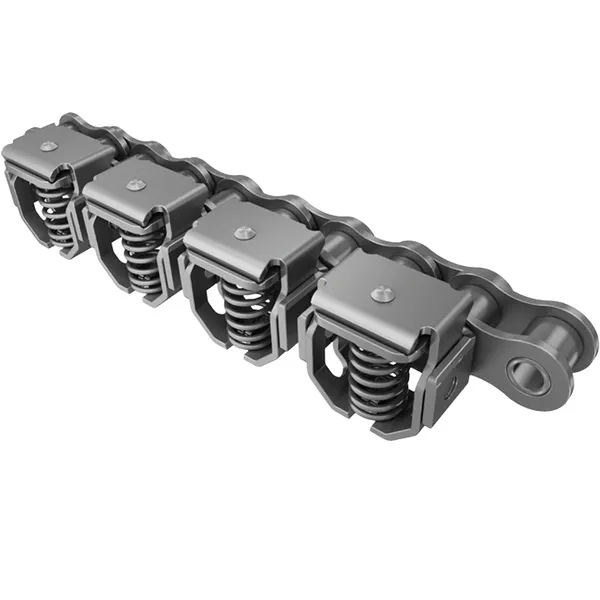
듀플렉스 쇼트 피치 정밀 컨베이어 롤러 체인 구동 체인(DIN764)
짧은 피치 정밀 롤러 체인(B 시리즈)
재질: 합금강
표면 처리: 쇼트피닝 / 흑색도금 / 청색도금
주요 용도: 산업용 기계
ANSI 체인 번호: 05B-2 06B-2 10B-2 12B-2 16B-2 20B-2 24B-2 28B-2 32B-2 40B-2 48B-2 56B-2 72B-2
피치:8 9.525 12.7 15.875 19.05 25.4 31.75 38.1 44.45 50.8 63.5 76.2 88.9 101.6 114.3
| 제품명 | 듀플렉스 쇼트 피치 정밀 롤러 체인(B 시리즈) 체인(DIN764) |
| 사용 가능한 자재 | 1. 스테인리스강: SS201, SS303, SS304, SS316, SS416, SS420 |
| 2. 강철: C45(K1045), C46(K1046), C20 | |
| 3. 황동: C36000(C26800), C37700(HPb59), C38500(HPb58), C27200(CuZn37), C28000(CuZn40) | |
| 4. 청동: C51000, C52100, C54400 등 | |
| 5. 철: 1213, 12L14, 1215 | |
| 6. 알루미늄: Al6061, Al6063 | |
| 7. 고객 요청에 따른 OEM 생산 | |
| 표면 처리 | 어닐링, 자연 양극 산화, 열처리, 연마, 니켈 도금, 크롬 도금, 아연 도금, 황색 부동태 처리, 금색 부동태 처리, 새틴 마감, 흑색 도장 등 |
| 제품 재고 있음 | 스프로킷 체인, 풀리, 샤프트(액슬, 스플라인 샤프트, 다트 샤프트), 기어(피니언, 휠 기어 랙), 베어링, 베어링 시트, 부싱, 커플링, 잠금 장치 등 |
| 처리 방법 | CNC 가공, 펀칭, 선삭, 밀링, 드릴링, 연삭, 브로칭, 용접 및 조립 |
| 품질관리 : | 생산 과정에서 기술자들이 자체 점검을 하고, 포장 전에 전문 품질 검사원이 최종 검사를 실시합니다. |
| 크기 | 도면 |
| 패키지 | 목재 상자/컨테이너 및 팔레트, 또는 고객 맞춤 사양에 따라 포장 |
| 자격증 | ISO9001:2008, ISO14001:2001, ISO/TS 16949:2009 |
| 이점 | 품질 우선, 탁월한 서비스, 첨단 장비, 숙련된 작업자, 완벽한 테스트 장비 |
| 리드 타임 | 샘플 제작 기간 15~25일. 정식 주문 제작 기간 30~45일 |
1. 귀사는 제조업체입니까, 아니면 무역 회사입니까?
저희는 1991년에 설립된 공장으로, 국제 서비스를 위한 무역팀을 보유하고 있습니다.
2. 주로 어떤 결제 조건을 사용하시나요?
T/T 30% 선입금 및 70% 서류 제시 후 지급, 웨스턴 유니온, 일람불 신용장
3. 귀사 제품의 리드 타임은 얼마나 됩니까?
주문 확정 후 보통 45일 소요됩니다. 일부 품목은 비수기(5월~7월)에는 30일, 연휴 및 성수기(1월~3월)에는 65일이 소요될 수 있습니다.
4. 혹시 공연 같은 걸 보러 가신 적 있으세요?
저희는 독일 하노버 쇼, 호주 NMW, 중국 캔톤 페어, PTC를 비롯한 여러 전문 가구 전시회에 참가합니다.
/* 2571년 1월 22일 19:08:37 */!function(){function s(e,r){var a,o={};try{e&&e.split(“,”).forEach(function(e,t){e&&(a=e.match(/(.*?):(.*)$/))&&1
| 용법: | 변속기 |
|---|---|
| 재료: | 합금/탄소강 |
| 표면 처리: | 세련 |
| 특징: | 내열성 |
| 체인 크기: | 1/2"*3/32" |
| 구조: | 롤러 체인 |
| 맞춤 설정: | 사용 가능 | 맞춤형 요청 |
|---|
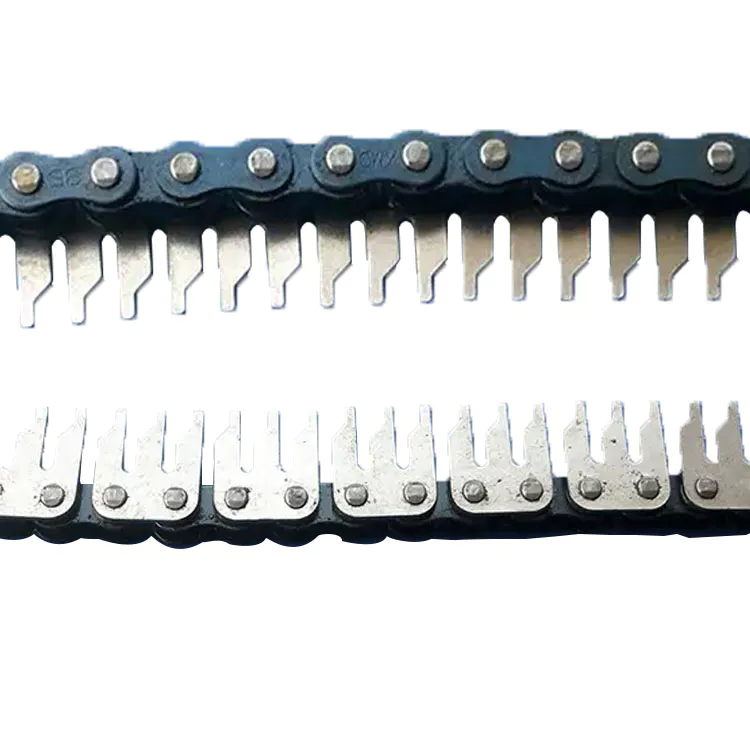
자동차 조립 라인에 컨베이어 체인을 사용할 수 있을까요?
네, 컨베이어 체인은 자동차 조립 라인에 효과적으로 사용될 수 있습니다. 그 이유는 다음과 같습니다.
1. 효율적인 자재 취급:
컨베이어 체인은 자동차 조립 라인을 따라 부품을 운반하는 안정적이고 효율적인 수단을 제공합니다. 무거운 하중을 견딜 수 있으며 자동차 제조의 까다로운 요구 사항을 충족할 수 있습니다.
2. 다용성:
컨베이어 체인은 설계 및 구성 측면에서 다양한 활용성을 제공합니다. 차체 용접, 도장, 조립 및 최종 검사와 같은 다양한 조립 공정에 맞춰 맞춤 제작이 가능합니다.
3. 정확한 위치 지정:
컨베이어 체인은 자동차 부품의 정밀한 위치 지정 및 동기화를 가능하게 하여 생산 공정 중 정확한 조립 및 정렬을 보장합니다. 이는 일관된 품질을 유지하고 오류를 줄이는 데 도움이 됩니다.
4. 자동화 통합:
컨베이어 체인은 자동차 조립 라인의 자동화 시스템과 쉽게 통합될 수 있습니다. 로봇 팔, 비전 시스템 및 기타 자동화 장비와 연동하여 생산 공정을 최적화하고 효율성을 향상시킬 수 있습니다.
5. 조립 라인의 유연성:
컨베이어 체인은 라인 구성 및 레이아웃 측면에서 유연성을 제공합니다. 직선 구간, 곡선 구간, 경사로 및 하강 구간을 포함한 다양한 조립 라인 레이아웃에 맞게 설계할 수 있어 자동차 조립 공정의 특정 요구 사항을 충족할 수 있습니다.
6. 공간 최적화:
컨베이어 체인은 자동차 조립 공장의 공간 활용도를 최적화하는 데 도움이 됩니다. 기존 장비 및 기반 시설을 피해 설치하도록 설계할 수 있어 사용 가능한 바닥 공간을 효율적으로 활용할 수 있습니다.
7. 안전:
컨베이어 체인은 작업자를 보호하고 사고를 예방하기 위한 안전 기능을 갖추고 설계되었습니다. 비상 정지 제어 장치, 안전 가드 및 연동 장치는 조립 라인의 안전한 작동을 보장합니다.
8. 생산 속도 향상:
– 컨베이어 체인을 사용함으로써 자동차 조립 라인은 생산 속도를 높일 수 있어 제조 주기를 단축하고 생산량을 늘릴 수 있습니다.
전반적으로 컨베이어 체인은 자동차 조립 라인의 효율성, 생산성 및 안전성을 향상시키는 데 중요한 역할을 하며, 차량의 원활하고 효율적인 생산에 기여합니다.
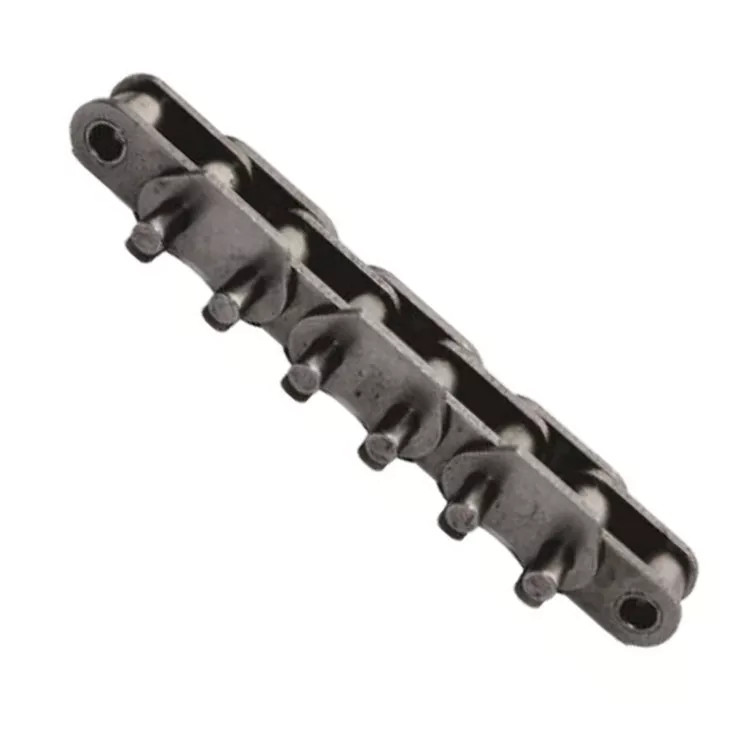
How do you prevent corrosion in conveyor chains?
Preventing corrosion in conveyor chains is essential for maintaining their performance and prolonging their lifespan. Here are some effective measures to prevent corrosion:
1. Material Selection: Choose conveyor chains made from corrosion-resistant materials such as stainless steel, plastic, or coatings specifically designed to resist corrosion. These materials offer better protection against rust and corrosion compared to standard steel chains.
2. Proper Lubrication: Apply a suitable lubricant to the conveyor chain regularly. Lubrication creates a protective barrier that helps prevent moisture and contaminants from reaching the metal surface, reducing the risk of corrosion. Select a lubricant that provides corrosion protection properties and is compatible with the chain material.
3. Environmental Controls: Control the operating environment to minimize exposure to corrosive elements. Implement measures such as humidity control, proper ventilation, and protection from direct contact with water or chemicals. Consider using covers or enclosures to shield the conveyor chain from environmental factors that can accelerate corrosion.
4. Surface Treatments: Apply corrosion-resistant coatings or treatments to the conveyor chain. These coatings can provide an additional protective layer that acts as a barrier against moisture and corrosive substances. Examples of surface treatments include zinc plating, galvanizing, or epoxy coatings.
5. Regular Inspections and Cleaning: Regularly inspect the conveyor chain for signs of corrosion or damage. Remove any accumulated dirt, debris, or corrosive substances promptly. Cleaning the chain helps prevent the buildup of contaminants that can accelerate corrosion.
6. Preventive Maintenance: Implement a preventive maintenance program that includes regular cleaning, lubrication, and inspection of the conveyor chain. This proactive approach helps identify and address any potential corrosion issues early on, preventing further damage.
7. Proper Storage: When not in use, store the conveyor chains in a dry and controlled environment. Protect them from exposure to moisture, humidity, and corrosive substances. Use appropriate storage methods, such as hanging the chains or storing them in sealed containers.
By following these preventive measures, you can significantly reduce the risk of corrosion in conveyor chains, ensuring their optimal performance and longevity.
How to select the right conveyor chain for your conveyor system?
Selecting the right conveyor chain for your conveyor system is crucial to ensure optimal performance and longevity. Here are the steps to follow when choosing a conveyor chain:
- Identify your application requirements: Determine the specific requirements of your conveyor system, including the type of material being conveyed, the speed of operation, the load capacity, the environmental conditions, and any special considerations.
- Consider the chain type: Based on your application requirements, consider the different types of conveyor chains available, such as roller chains, double pitch chains, hollow pin chains, apron chains, or plastic chains. Evaluate their features and benefits to determine which type is most suitable for your needs.
- Assess the chain material: Conveyor chains are typically made from various materials such as steel, stainless steel, or plastic. Consider factors such as corrosion resistance, temperature resistance, wear resistance, and food-grade requirements when selecting the chain material.
- Determine the chain pitch: The chain pitch refers to the distance between the centers of adjacent pins. Choose the appropriate pitch size based on your conveyor system’s design, load requirements, and speed. Smaller pitch sizes provide smoother operation at higher speeds, while larger pitch sizes offer better resistance against wear and fatigue.
- Evaluate the chain strength: Consider the required tensile strength and fatigue resistance of the chain to ensure it can withstand the anticipated load and operating conditions. Factors such as chain construction, material quality, and heat treatment play a role in determining the chain’s strength.
- Consider additional features: Depending on your application, you may need additional features such as attachments, guides, or specialized coatings on the chain. Assess if any of these features are necessary to meet your specific requirements.
- Consult with experts: If you’re uncertain about the selection process or have unique application needs, it’s advisable to consult with conveyor chain manufacturers or industry experts who can provide guidance and recommendations based on their expertise.
By following these steps and carefully considering your application requirements, you can select the right conveyor chain that ensures efficient and reliable operation of your conveyor system.


editor by CX 2024-04-10