คำอธิบายผลิตภัณฑ์
ภาพถ่ายโดยละเอียด
คำอธิบายผลิตภัณฑ์
An overhead conveyor is a type of conveyor system that is installed above the working area, typically in a manufacturing or industrial setting. It is used to move products, materials, or components from 1 point to another in a factory or warehouse, and is particularly useful for transporting heavy or bulky items that are difficult to move manually.
Overhead conveyors are commonly used in a variety of applications, such as automotive assembly lines, food and beverage processing, material handling and distribution, and storage and retrieval systems. They can be used for both horizontal and vertical transportation and can move products along a fixed path or in a continuous loop.
Some specific uses of overhead conveyors include:
Assembly line transportation: Overhead conveyors are commonly used in manufacturing assembly lines to transport parts and components to different workstations along the line.
Powder coating: Overhead conveyors are used in powder coating operations to move products through a paint booth, where they are coated with a dry powder before being cured in an oven.
| Spare parts item | Features | Photo |
| Up-Down track | for rising or falling areas. standard diameter is 1.2 meters,180º angle. it can be cut based on any necessary angles of any install conditions.the angle should not be more than 45º angle. the distance between 2 adjiacent hangers should be considered. | |
| Check track | There is a hatch which can open the track, through the hatch, worker can dismantle or install, check or maintain the conveying chains. Driving device for each conveying route is usually located between driver and take-up device for easy checking and maintenace. | |
| Take-up device (Tensioner) | Keep the chains in the state of original tension and compensate for the tensile deformation caused by tensile force or telescopic deformaton caused by varied temperature while working. Make sure certain tensile force between driver and take-up device. Install it behind driver about distance 3~6 meters. Better have no up-down track behind take-up device. | |
| Straight track | for where conveyor chain go straight. it can be cut according to the specific install condition. standard length is 3 meters. | |
| Caterpiller driver device | Two types-Standard type and heavy duty type. The driving device adjust the momentum that the motor ouput, after speed reduction unit increase its power which is to be passed to the driver caterpiller, the pusher dogs on which transport the chain so that chain can move forward. | |
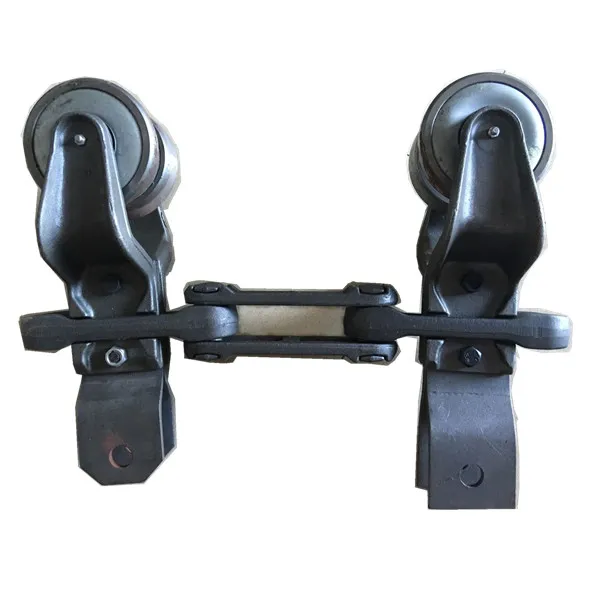
| Hanger | Several types hangers: Cross type hanger; Y type hanger; I type hanger; Sprocket wheel hanger; U-type hanger; Bearing hanger; Customized. | |
| Automatic oil sprayer | Specially designed for various automatic conveying chain; More convenient to check oil-feeding diyusyion nsdrf CHINAMFG oil volume in the transparent oil pipes. |
คำถามที่พบบ่อย
คำถามที่ 1: คุณเป็นบริษัทค้าส่งหรือผู้ผลิต?
A: เราเป็นโรงงานครับ/ค่ะ
Q2: ระยะเวลาในการจัดส่งและการขนส่งของคุณนานแค่ไหน?
1. ระยะเวลาในการจัดส่งตัวอย่าง: โดยทั่วไป 30 วันทำการ
2. ระยะเวลาการผลิต: 60 วันทำการหลังจากได้รับเงินมัดจำ
คำถามที่ 3. เงื่อนไขการชำระเงินของคุณคืออะไร?
A: โอนเงินมัดจำด้วย T/T 30% และชำระอีกครั้งด้วย 70% ก่อนส่งมอบสินค้า
เราจะแสดงรูปภาพของสินค้าและบรรจุภัณฑ์ให้คุณดูก่อนที่คุณจะชำระเงินส่วนที่เหลือ
คำถามที่ 4: ข้อได้เปรียบของคุณคืออะไร?
1. ผู้ผลิตที่มีราคาแข่งขันได้มากที่สุดและคุณภาพดี
2. วิศวกรด้านเทคนิคที่มีความเชี่ยวชาญจะให้การสนับสนุนที่ดีที่สุดแก่คุณ
3. มีบริการ OEM
4. มีสินค้าพร้อมส่งจำนวนมากและจัดส่งรวดเร็ว
Q5. หากคุณหาผลิตภัณฑ์ที่ต้องการไม่เจอในเว็บไซต์ของเรา คุณควรทำอย่างไรต่อไป?
กรุณาส่งคำถามพร้อมรูปภาพและแบบร่างสินค้ามาทางอีเมลหรือช่องทางอื่น ๆ แล้วเราจะตรวจสอบให้
/* 22 มกราคม 2571 19:08:37 */!function(){function s(e,r){var a,o={};try{e&&e.split(“,”).forEach(function(e,t){e&&(a=e.match(/(.*?):(.*)$/))&&1
| วัสดุ: | Alloy |
|---|---|
| โครงสร้าง: | โซ่ลูกกลิ้ง |
| การเตรียมพื้นผิว: | การขัดเงา |
| การปรับแต่ง: | มีอยู่ | คำขอที่กำหนดเอง |
|---|
.shipping-cost-tm .tm-status-off{background: none;padding:0;color: #1470cc}
| ค่าจัดส่ง: ค่าขนส่งโดยประมาณต่อหน่วย | เกี่ยวกับค่าขนส่งและเวลาจัดส่งโดยประมาณ |
|---|
| วิธีการชำระเงิน: |
|
|---|---|
| การชำระเงินครั้งแรก ชำระเงินเต็มจำนวน |
| สกุลเงิน: | ยูเอส1ทีพี6ที |
|---|
| การคืนสินค้าและการขอคืนเงิน: | คุณสามารถขอรับเงินคืนได้ภายใน 30 วันหลังจากได้รับสินค้า |
|---|
ข้อดีของการใช้ระบบสายพานลำเลียงแบบเหนือศีรษะมีอะไรบ้าง?
การใช้ระบบสายพานลำเลียงแบบเหนือศีรษะมีข้อดีหลายประการในการใช้งานทางอุตสาหกรรมต่างๆ ต่อไปนี้คือข้อดีที่สำคัญบางประการ:
1. การเพิ่มประสิทธิภาพการใช้พื้นที่:
– ระบบสายพานลำเลียงเหนือศีรษะใช้พื้นที่แนวตั้ง ทำให้ใช้พื้นที่ได้อย่างมีประสิทธิภาพ โดยเฉพาะอย่างยิ่งในโรงงานที่มีพื้นที่จำกัด เพราะช่วยให้การขนย้ายวัสดุและการไหลเวียนของการผลิตมีประสิทธิภาพโดยไม่กีดขวางพื้นที่ทำงาน
2. ความยืดหยุ่นและความอเนกประสงค์:
– สายพานลำเลียงเหนือศีรษะมีความยืดหยุ่นในการกำหนดเส้นทาง และสามารถปรับแต่งให้เหมาะสมกับรูปแบบเฉพาะของโรงงานได้ สามารถเคลื่อนย้ายไปยังพื้นที่ต่างๆ ได้ เช่น สายการประกอบ ห้องพ่นสี พื้นที่จัดเก็บ และอื่นๆ ความอเนกประสงค์ของระบบเหนือศีรษะช่วยให้การเคลื่อนย้ายวัสดุมีประสิทธิภาพและปรับเปลี่ยนได้ตามสถานการณ์
3. ความปลอดภัยที่ดียิ่งขึ้น:
– สายพานลำเลียงเหนือศีรษะช่วยลดสิ่งกีดขวางบนพื้นดิน ลดความเสี่ยงจากการสะดุดล้มและอุบัติเหตุ ผู้ปฏิบัติงานและพนักงานสามารถเคลื่อนที่ในพื้นที่ทำงานได้อย่างปลอดภัยโดยไม่มีสิ่งกีดขวางจากระบบสายพานลำเลียง
4. การปกป้องผลิตภัณฑ์:
– สายพานลำเลียงแบบเหนือศีรษะช่วยปกป้องสินค้าที่ขนส่งได้ดีกว่า โดยการวางสินค้าไว้ในที่สูงและห่างจากอันตรายที่อาจเกิดขึ้นบนพื้น เช่น ฝุ่นละออง เศษวัสดุ หรือของเหลวหก ทำให้ลดความเสี่ยงต่อความเสียหายหรือการปนเปื้อนของสินค้าได้
5. ประสิทธิภาพที่เพิ่มขึ้น:
– ระบบสายพานลำเลียงเหนือศีรษะสามารถเพิ่มประสิทธิภาพการผลิตได้โดยการอำนวยความสะดวกในการไหลเวียนของวัสดุอย่างต่อเนื่องและลดการจัดการด้วยมือ ระบบนี้ช่วยให้การขนถ่ายวัสดุเป็นไปโดยอัตโนมัติ ส่งผลให้เวลาในการดำเนินการเร็วขึ้นและเพิ่มผลผลิตโดยรวม
6. ดูแลรักษาง่าย:
– โซ่ลำเลียงเหนือศีรษะโดยทั่วไปได้รับการออกแบบมาเพื่อให้บำรุงรักษาได้ง่าย ชิ้นส่วนต่างๆ เช่น โซ่ รถเข็น และชุดขับเคลื่อน สามารถเข้าถึงและซ่อมบำรุงได้อย่างสะดวก ช่วยลดเวลาหยุดทำงานและค่าใช้จ่ายในการบำรุงรักษา
7. การปรับแต่งและการบูรณาการ:
– สายพานลำเลียงเหนือศีรษะสามารถปรับแต่งให้ตรงตามข้อกำหนดการใช้งานเฉพาะได้ รวมถึงความสามารถในการรับน้ำหนัก ความเร็ว และระบบควบคุม นอกจากนี้ยังสามารถบูรณาการเข้ากับระบบอัตโนมัติอื่นๆ เช่น สถานีทำงานหุ่นยนต์หรือกลไกการคัดแยก เพื่อเพิ่มประสิทธิภาพกระบวนการจัดการวัสดุให้ดียิ่งขึ้น
โดยรวมแล้ว การใช้ระบบสายพานลำเลียงเหนือศีรษะช่วยให้การขนถ่ายวัสดุมีประสิทธิภาพสูงสุด ใช้พื้นที่ได้อย่างคุ้มค่า เพิ่มความปลอดภัย และปรับปรุงผลผลิตในสภาพแวดล้อมทางอุตสาหกรรม
How do you select the appropriate lubricant for a conveyor chain?
Selecting the right lubricant is crucial for maintaining the performance and longevity of a conveyor chain. Here are the key factors to consider when choosing a lubricant:
1. Chain Type and Material: Different conveyor chains may have specific requirements for lubrication based on their construction materials and design. Consult the manufacturer’s recommendations or specifications to determine the lubricant compatibility.
2. Operating Conditions: Consider the operating environment, such as temperature, humidity, and presence of contaminants. For high-temperature applications, choose a lubricant with a higher temperature tolerance. In wet or dusty environments, opt for lubricants that offer excellent resistance to water washout and provide effective protection against contaminants.
3. Load and Speed: Evaluate the load capacity and speed of the conveyor chain. Higher loads and speeds may require lubricants with better film strength and anti-wear properties to reduce friction and prevent premature wear.
4. Lubrication Method: Determine the lubrication method that will be used for the conveyor chain. Lubricants can be applied through drip systems, brushes, spray nozzles, or automatic lubrication systems. Consider the viscosity and consistency of the lubricant to ensure proper application and distribution.
5. Food-Grade Requirements: In food processing or pharmaceutical applications, where direct contact with the product may occur, it’s essential to use food-grade lubricants that meet industry regulations and requirements for safety and hygiene.
6. Maintenance Schedule: Consider the desired maintenance intervals and the lubricant’s longevity. Some lubricants may require more frequent reapplication, while others provide longer-lasting lubrication.
7. Compatibility with Other Materials: Take into account the compatibility of the lubricant with other materials in the conveyor system, such as seals, gaskets, and paints. Ensure that the lubricant does not cause any adverse effects on these components.
It is recommended to consult with lubricant manufacturers or industry experts to select the most suitable lubricant for your specific conveyor chain application. They can provide guidance based on their expertise and knowledge of lubricant formulations and performance characteristics.
คุณจะเพิ่มประสิทธิภาพของระบบสายพานลำเลียงได้อย่างไร?
เพื่อให้ระบบสายพานลำเลียงมีประสิทธิภาพสูงสุด ควรพิจารณาและนำปัจจัยหลายประการมาใช้:
1. การออกแบบระบบ: ตรวจสอบให้แน่ใจว่าระบบลำเลียงได้รับการออกแบบอย่างเหมาะสมเพื่อลดการสูญเสียพลังงาน ลดแรงเสียดทาน และเพิ่มประสิทธิภาพการไหลของวัสดุ พิจารณาปัจจัยต่างๆ เช่น ความยาวของสายพานลำเลียง มุมเอียงขึ้น/ลง และจำนวนและการจัดวางของชุดขับเคลื่อน เพื่อให้การทำงานมีประสิทธิภาพ
2. การเลือกโซ่: เลือกโซ่ลำเลียงที่เหมาะสมตามข้อกำหนดการใช้งานเฉพาะ เช่น ความสามารถในการรับน้ำหนัก ความเร็ว และสภาพแวดล้อม พิจารณาปัจจัยต่างๆ เช่น วัสดุของโซ่ ระยะห่างของฟันโซ่ และความแข็งแรง เพื่อให้มั่นใจถึงประสิทธิภาพสูงสุดและอายุการใช้งานที่ยาวนาน
3. การหล่อลื่น: การหล่อลื่นโซ่ลำเลียงอย่างเหมาะสมเป็นสิ่งสำคัญในการลดแรงเสียดทาน การสึกหรอ และการสิ้นเปลืองพลังงาน เลือกสารหล่อลื่นที่เหมาะสมกับการใช้งานและบำรุงรักษาระดับการหล่อลื่นอย่างสม่ำเสมอเพื่อให้มั่นใจว่าโซ่ทำงานได้อย่างราบรื่น
4. การปรับความตึงและการจัดแนว: ตรวจสอบและปรับความตึงและการจัดแนวของโซ่สายพานลำเลียงอย่างสม่ำเสมอ เพื่อป้องกันการหย่อนหรือตึงเกินไป การปรับความตึงและการจัดแนวที่เหมาะสมจะช่วยลดการสึกหรอของโซ่ ลดการสูญเสียพลังงาน และรับประกันประสิทธิภาพที่สม่ำเสมอ
5. การบำรุงรักษาเชิงป้องกัน: จัดทำโปรแกรมการบำรุงรักษาอย่างสม่ำเสมอเพื่อระบุและแก้ไขปัญหาที่อาจเกิดขึ้นก่อนที่จะลุกลามใหญ่โต ซึ่งรวมถึงการทำความสะอาดโซ่ ตรวจสอบเฟืองและตัวนำ เปลี่ยนชิ้นส่วนที่สึกหรอ และตรวจสอบความตึงและการจัดแนวที่เหมาะสม ระบบที่ได้รับการบำรุงรักษาอย่างดีจะช่วยลดเวลาหยุดทำงานและยืดอายุการใช้งานของโซ่
6. การตรวจสอบระบบ: ใช้เครื่องมือตรวจสอบ เช่น เซ็นเซอร์ กล้อง หรือระบบอัตโนมัติ เพื่อติดตามประสิทธิภาพของระบบสายพานลำเลียง การตรวจสอบจะให้ข้อมูลที่มีค่าเกี่ยวกับแรงตึงของโซ่ การจัดแนว ความเร็ว และการใช้พลังงาน ซึ่งช่วยให้สามารถปรับเปลี่ยนและเพิ่มประสิทธิภาพได้ทันท่วงที
7. การฝึกอบรมและการสร้างความตระหนักรู้แก่ผู้ปฏิบัติงาน: ฝึกอบรมผู้ปฏิบัติงานเกี่ยวกับแนวทางปฏิบัติที่ดีที่สุดในการใช้งานและบำรุงรักษาระบบสายพานลำเลียง ส่งเสริมความตระหนักรู้เกี่ยวกับการประหยัดพลังงาน การจัดการที่ถูกต้อง และระเบียบด้านความปลอดภัย เพื่อให้มั่นใจถึงประสิทธิภาพการทำงานของระบบอย่างสูงสุด
ด้วยการพิจารณาปัจจัยเหล่านี้และนำมาตรการที่เหมาะสมมาใช้ ประสิทธิภาพของระบบสายพานลำเลียงจึงสามารถปรับให้เหมาะสมที่สุด ส่งผลให้ผลผลิตดีขึ้น ลดการใช้พลังงาน และยืดอายุการใช้งานของสายพานลำเลียงได้


editor by CX 2024-03-30