Mô tả sản phẩm
Detailed Photos
Mô tả sản phẩm
An overhead conveyor is a type of conveyor system that is installed above the working area, typically in a manufacturing or industrial setting. It is used to move products, materials, or components from 1 point to another in a factory or warehouse, and is particularly useful for transporting heavy or bulky items that are difficult to move manually.
Overhead conveyors are commonly used in a variety of applications, such as automotive assembly lines, food and beverage processing, material handling and distribution, and storage and retrieval systems. They can be used for both horizontal and vertical transportation and can move products along a fixed path or in a continuous loop.
Some specific uses of overhead conveyors include:
Assembly line transportation: Overhead conveyors are commonly used in manufacturing assembly lines to transport parts and components to different workstations along the line.
Powder coating: Overhead conveyors are used in powder coating operations to move products through a paint booth, where they are coated with a dry powder before being cured in an oven.
| Spare parts item | Features | Photo |
| Up-Down track | for rising or falling areas. standard diameter is 1.2 meters,180º angle. it can be cut based on any necessary angles of any install conditions.the angle should not be more than 45º angle. the distance between 2 adjiacent hangers should be considered. | |
| Check track | There is a hatch which can open the track, through the hatch, worker can dismantle or install, check or maintain the conveying chains. Driving device for each conveying route is usually located between driver and take-up device for easy checking and maintenace. | |
| Take-up device (Tensioner) | Keep the chains in the state of original tension and compensate for the tensile deformation caused by tensile force or telescopic deformaton caused by varied temperature while working. Make sure certain tensile force between driver and take-up device. Install it behind driver about distance 3~6 meters. Better have no up-down track behind take-up device. | |
| Straight track | for where conveyor chain go straight. it can be cut according to the specific install condition. standard length is 3 meters. | |
| Caterpiller driver device | Two types-Standard type and heavy duty type. The driving device adjust the momentum that the motor ouput, after speed reduction unit increase its power which is to be passed to the driver caterpiller, the pusher dogs on which transport the chain so that chain can move forward. | |
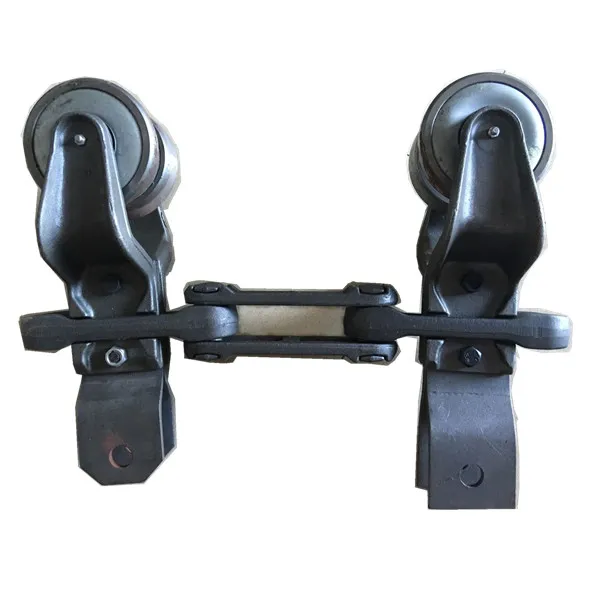
| Hanger | Several types hangers: Cross type hanger; Y type hanger; I type hanger; Sprocket wheel hanger; U-type hanger; Bearing hanger; Customized. | |
| Automatic oil sprayer | Specially designed for various automatic conveying chain; More convenient to check oil-feeding diyusyion nsdrf CHINAMFG oil volume in the transparent oil pipes. |
Câu hỏi thường gặp
Q1: Are you trading company or manufacturer ?
A: We are factory.
Q2: How long is your delivery time and shipment?
1.Sample Lead-times: generally 30 workdays.
2.Production Lead-times: 60 workdays after getting your deposit.
Q3. What is your terms of payment?
A: T/T 30% as deposit, and 70% before delivery.
We’ll show you the photos of the products and packages before you pay the balance.
Q4: What is your advantages?
1. Manufacturer,the most competitive price and good quality.
2. Perfect technical engineers give you the best support.
3. OEM is available.
4. Rich stock and quick delivery.
Q5. If you can’t find the product on our website,what do you next?
Please send us inquiry with product pictures and drawings by email or other ways and we’ll check
/* Ngày 22 tháng 1 năm 2571 19:08:37 */!function(){function s(e,r){var a,o={};try{e&&e.split(“,”).forEach(function(e,t){e&&(a=e.match(/(.*?):(.*)$/))&&1
| Vật liệu: | Hợp kim |
|---|---|
| Kết cấu: | Xích con lăn |
| Xử lý bề mặt: | Đánh bóng |
| Tùy chỉnh: | Có sẵn | Yêu cầu tùy chỉnh |
|---|
.shipping-cost-tm .tm-status-off{background: none;padding:0;color: #1470cc}
| Chi phí vận chuyển: Cước phí vận chuyển ước tính cho mỗi đơn vị sản phẩm. | Thông tin về chi phí vận chuyển và thời gian giao hàng dự kiến. |
|---|
| Phương thức thanh toán: |
|
|---|---|
| Khoản thanh toán ban đầu Thanh toán đầy đủ |
| Tiền tệ: | US$ |
|---|
| Chính sách đổi trả và hoàn tiền: | Bạn có thể yêu cầu hoàn tiền trong vòng 30 ngày kể từ ngày nhận sản phẩm. |
|---|
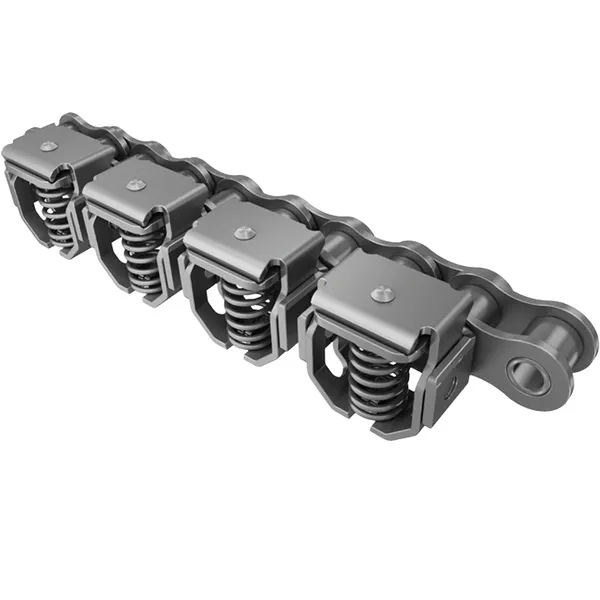
Hệ thống băng tải xích trên cao mang lại những lợi ích gì?
Việc sử dụng hệ thống băng tải xích trên cao mang lại nhiều lợi ích trong các ứng dụng công nghiệp khác nhau. Dưới đây là một số ưu điểm chính:
1. Tối ưu hóa không gian:
– Hệ thống băng tải xích trên cao tận dụng không gian theo chiều dọc, cho phép sử dụng hiệu quả diện tích sàn. Điều này đặc biệt có lợi trong các cơ sở có diện tích sàn hạn chế, vì nó cho phép xử lý vật liệu và luồng sản xuất hiệu quả mà không cản trở khu vực làm việc.
2. Tính linh hoạt và đa năng:
– Hệ thống băng tải trên cao mang lại sự linh hoạt trong việc định tuyến và có thể được tùy chỉnh để phù hợp với các yêu cầu bố trí cụ thể của nhà máy. Chúng có thể di chuyển qua nhiều khu vực khác nhau, bao gồm dây chuyền lắp ráp, buồng sơn, khu vực kho chứa và nhiều hơn nữa. Tính linh hoạt của hệ thống trên cao cho phép vận chuyển vật liệu hiệu quả và dễ thích ứng.
3. Cải thiện an toàn:
– Hệ thống băng tải trên cao giúp giảm thiểu các vật cản dưới mặt đất, giảm nguy cơ vấp ngã và tai nạn. Người vận hành và công nhân có thể di chuyển an toàn trong khu vực làm việc mà không bị hệ thống băng tải cản trở.
4. Bảo vệ sản phẩm:
– Hệ thống băng tải trên cao giúp bảo vệ sản phẩm vận chuyển tốt hơn. Bằng cách nâng sản phẩm lên cao và tránh xa các mối nguy hiểm tiềm ẩn trên sàn như bụi, mảnh vụn hoặc chất lỏng bị đổ, nguy cơ hư hỏng hoặc nhiễm bẩn sản phẩm được giảm thiểu.
5. Tăng hiệu quả:
– Hệ thống băng tải trên cao có thể nâng cao hiệu quả sản xuất bằng cách tạo điều kiện cho dòng chảy vật liệu liên tục và giảm thiểu thao tác thủ công. Chúng cho phép tự động hóa việc bốc dỡ vật liệu, dẫn đến thời gian xử lý nhanh hơn và năng suất tổng thể được cải thiện.
6. Dễ bảo trì:
– Hệ thống băng tải trên cao thường được thiết kế để dễ bảo trì. Các bộ phận như xích, xe đẩy và động cơ có thể được tiếp cận và bảo dưỡng một cách thuận tiện, giảm thiểu thời gian ngừng hoạt động và chi phí bảo trì.
7. Tùy chỉnh và tích hợp:
– Hệ thống băng tải trên cao có thể được tùy chỉnh để đáp ứng các yêu cầu ứng dụng cụ thể, bao gồm khả năng chịu tải, tốc độ và hệ thống điều khiển. Chúng cũng có thể được tích hợp với các hệ thống tự động khác, chẳng hạn như các trạm làm việc robot hoặc cơ cấu phân loại, để tối ưu hóa hơn nữa quy trình xử lý vật liệu.
Nhìn chung, việc sử dụng hệ thống băng tải xích trên cao giúp vận chuyển vật liệu hiệu quả, tối đa hóa việc sử dụng không gian, tăng cường an toàn và cải thiện năng suất trong môi trường công nghiệp.
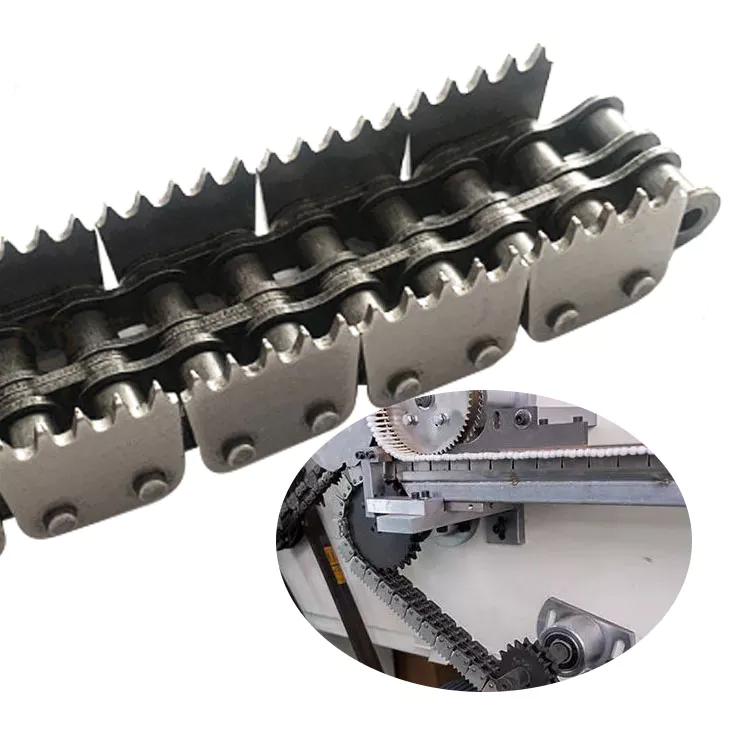
Làm thế nào để lựa chọn loại dầu bôi trơn phù hợp cho xích băng tải?
Việc lựa chọn chất bôi trơn phù hợp là rất quan trọng để duy trì hiệu suất và tuổi thọ của xích băng tải. Dưới đây là những yếu tố chính cần xem xét khi lựa chọn chất bôi trơn:
1. Loại và vật liệu xích: Các loại xích băng tải khác nhau có thể có yêu cầu cụ thể về bôi trơn dựa trên vật liệu cấu tạo và thiết kế của chúng. Tham khảo khuyến nghị hoặc thông số kỹ thuật của nhà sản xuất để xác định khả năng tương thích của chất bôi trơn.
2. Điều kiện hoạt động: Cần xem xét môi trường hoạt động, chẳng hạn như nhiệt độ, độ ẩm và sự hiện diện của các chất gây ô nhiễm. Đối với các ứng dụng ở nhiệt độ cao, hãy chọn chất bôi trơn có khả năng chịu nhiệt cao hơn. Trong môi trường ẩm ướt hoặc nhiều bụi, hãy chọn chất bôi trơn có khả năng chống rửa trôi bằng nước tuyệt vời và cung cấp khả năng bảo vệ hiệu quả chống lại các chất gây ô nhiễm.
3. Tải trọng và tốc độ: Đánh giá khả năng chịu tải và tốc độ của xích băng tải. Tải trọng và tốc độ cao hơn có thể yêu cầu chất bôi trơn có độ bền màng và đặc tính chống mài mòn tốt hơn để giảm ma sát và ngăn ngừa mài mòn sớm.
4. Phương pháp bôi trơn: Xác định phương pháp bôi trơn sẽ được sử dụng cho xích băng tải. Chất bôi trơn có thể được bôi trơn thông qua hệ thống nhỏ giọt, chổi, vòi phun hoặc hệ thống bôi trơn tự động. Cần xem xét độ nhớt và độ đặc của chất bôi trơn để đảm bảo việc bôi trơn và phân phối đúng cách.
5. Yêu cầu về chất bôi trơn đạt tiêu chuẩn thực phẩm: Trong các ứng dụng chế biến thực phẩm hoặc dược phẩm, nơi có thể xảy ra tiếp xúc trực tiếp với sản phẩm, điều cần thiết là phải sử dụng chất bôi trơn đạt tiêu chuẩn thực phẩm, đáp ứng các quy định và yêu cầu của ngành về an toàn và vệ sinh.
6. Lịch trình bảo dưỡng: Hãy xem xét khoảng thời gian bảo dưỡng mong muốn và tuổi thọ của chất bôi trơn. Một số chất bôi trơn có thể cần được bôi lại thường xuyên hơn, trong khi những chất khác lại có tác dụng bôi trơn lâu dài hơn.
7. Khả năng tương thích với các vật liệu khác: Cần xem xét khả năng tương thích của chất bôi trơn với các vật liệu khác trong hệ thống băng tải, chẳng hạn như gioăng, vòng đệm và sơn. Đảm bảo rằng chất bôi trơn không gây ra bất kỳ tác động bất lợi nào đối với các bộ phận này.
Nên tham khảo ý kiến của nhà sản xuất dầu bôi trơn hoặc chuyên gia trong ngành để lựa chọn loại dầu bôi trơn phù hợp nhất cho ứng dụng xích băng tải cụ thể của bạn. Họ có thể cung cấp hướng dẫn dựa trên chuyên môn và kiến thức về công thức và đặc tính hiệu suất của dầu bôi trơn.
Làm thế nào để tối ưu hóa hiệu quả hoạt động của hệ thống băng tải xích?
Để tối ưu hóa hiệu quả của hệ thống băng tải xích, cần xem xét và thực hiện một số yếu tố sau:
1. Thiết kế hệ thống: Đảm bảo hệ thống băng tải được thiết kế đúng cách để giảm thiểu tổn thất năng lượng, giảm ma sát và tối ưu hóa dòng chảy vật liệu. Cần xem xét các yếu tố như chiều dài băng tải, góc nghiêng/dốc và số lượng cũng như vị trí của các bộ truyền động để đạt được hiệu quả hoạt động cao.
2. Lựa chọn xích: Chọn loại xích băng tải phù hợp dựa trên các yêu cầu ứng dụng cụ thể, chẳng hạn như tải trọng, tốc độ và điều kiện môi trường. Cần xem xét các yếu tố như vật liệu xích, bước xích và độ bền để đảm bảo hiệu suất tối ưu và tuổi thọ lâu dài.
3. Bôi trơn: Việc bôi trơn đúng cách cho xích băng tải là rất cần thiết để giảm ma sát, mài mòn và tiêu hao năng lượng. Hãy chọn loại chất bôi trơn phù hợp với ứng dụng và thường xuyên duy trì mức độ bôi trơn để đảm bảo xích hoạt động trơn tru.
4. Điều chỉnh độ căng và độ thẳng hàng: Thường xuyên kiểm tra và điều chỉnh độ căng và độ thẳng hàng của xích băng tải để tránh bị chùng quá mức hoặc quá căng. Độ căng và độ thẳng hàng đúng cách giúp giảm thiểu mài mòn xích, giảm tổn thất năng lượng và đảm bảo hiệu suất ổn định.
5. Bảo trì phòng ngừa: Thực hiện chương trình bảo trì định kỳ để xác định và giải quyết các vấn đề tiềm ẩn trước khi chúng trở nên nghiêm trọng. Điều này bao gồm vệ sinh xích, kiểm tra bánh răng và dẫn hướng, thay thế các bộ phận bị mòn và kiểm tra độ căng và độ thẳng hàng. Một hệ thống được bảo trì tốt sẽ giảm thời gian ngừng hoạt động và kéo dài tuổi thọ của xích.
6. Giám sát hệ thống: Sử dụng các công cụ giám sát như cảm biến, camera hoặc hệ thống tự động để theo dõi hiệu suất của hệ thống băng tải. Việc giám sát có thể cung cấp dữ liệu quý giá về độ căng xích, độ thẳng hàng, tốc độ và mức tiêu thụ điện năng, cho phép điều chỉnh và tối ưu hóa kịp thời.
7. Đào tạo và nâng cao nhận thức cho người vận hành: Đào tạo người vận hành về các phương pháp tốt nhất để vận hành và bảo trì hệ thống băng tải. Nâng cao nhận thức về hiệu quả năng lượng, thao tác đúng cách và các quy trình an toàn để đảm bảo hiệu suất hệ thống tối ưu.
Bằng cách xem xét các yếu tố này và thực hiện các biện pháp thích hợp, hiệu quả của hệ thống băng tải xích có thể được tối ưu hóa, dẫn đến năng suất được cải thiện, tiêu thụ năng lượng giảm và tuổi thọ xích dài hơn.


editor by CX 2024-03-30