คำอธิบายผลิตภัณฑ์
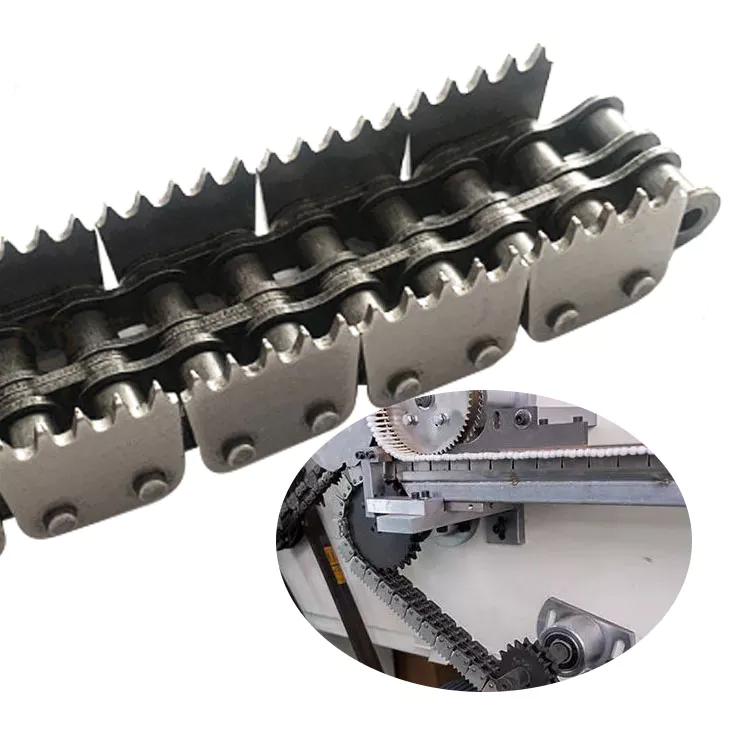
Duplex Short Pitch Precision Conveyor Roller Chain Transmission Chain (DIN764)
SHORT PITCH PRECISSION ROLLER CHAINS (B SERIES)
Material: Alloy Steel
Surface Treatment: Shot Peening / Blacking / Blueing
Main Application: Idustry machinery
ANSI CHAIN NO.: 05B-2 06B-2 10B-2 12B-2 16B-2 20B-2 24B-2 28B-2 32B-2 40B-2 48B-2 56B-2 72B-2
Pitch:8 9.525 12.7 15.875 19.05 25.4 31.75 38.1 44.45 50.8 63.5 76.2 88.9 101.6 114.3
| Product name | Duplex Short Pitch Precision Roller Chain (B series) Chain (DIN764) |
| Materials Available | 1. Stainless Steel: SS201, SS303, SS304, SS316, SS416, SS420 |
| 2. Steel:C45(K1045), C46(K1046),C20 | |
| 3. Brass:C36000 ( C26800), C37700 ( HPb59), C38500( HPb58), C27200(CuZn37), C28000(CuZn40) | |
| 4. Bronze: C51000, C52100, C54400, etc | |
| 5. Iron: 1213, 12L14,1215 | |
| 6. Aluminum: Al6061, Al6063 | |
| 7.OEM according to your request | |
| การบำบัดพื้นผิว | Annealing, natural anodization, heat treatment, polishing, nickel plating, chrome plating, znic plating,yellow passivation, gold passivation, satin, Black surface painted etc. |
| Products Available | sprockt chains, pulley, shafts(axles, spline shafts, dart shafts),gears (pinions, wheels gear rack) bearing, bearing seat, bushing, coupling, lock assembly etc. |
| Processing Method | CNC machining, punch,turning, milling, drilling, grinding, broaching, welding and assembly |
| QC : | Technicians self-check in production,final-check before package by professional Quality inspector |
| Size | Drawings |
| บรรจุุภัณฑ์ | Wooden Case/Container and pallet, or as per customized specifications |
| Certificate | ISO9001:2008 , ISO14001:2001,ISO/TS 16949:2009 |
| Advantage | Quality first Service superior , Advanced equipment,Experienced workers,Perfect testing equipment |
| Lead Time | 15-25days samples. 30-45days offcial order |
1. คุณเป็นผู้ผลิตหรือบริษัทค้าส่ง?
We are a factory founded in 1991 with trade team for international service.
2. โดยปกติคุณใช้เงื่อนไขการชำระเงินแบบใด?
T/T 30% deposit and 70% against document, Western Union, L/C at sight
3. what is your lead time for your goods?
Normally 45 days after confirmed order. 30 days could be available in low season for some items (during May to July), and 65 days during new year and hot season ( Jan to March).
4. คุณไปชมงานแสดงสินค้าใดบ้างหรือไม่?
We attend Hannover show in Germany, NMW in Austrilia, Canton fair, PTC, in China and many other special furniture shows.
/* 22 มกราคม 2571 19:08:37 */!function(){function s(e,r){var a,o={};try{e&&e.split(“,”).forEach(function(e,t){e&&(a=e.match(/(.*?):(.*)$/))&&1
| วิธีใช้งาน: | โซ่ส่งกำลัง |
|---|---|
| วัสดุ: | เหล็กอัลลอย/เหล็กคาร์บอน |
| การเตรียมพื้นผิว: | การขัดเงา |
| คุณสมบัติ: | ทนความร้อน |
| ขนาดสร้อย: | 1/2"*3/32" |
| โครงสร้าง: | โซ่ลูกกลิ้ง |
| การปรับแต่ง: | มีอยู่ | คำขอที่กำหนดเอง |
|---|
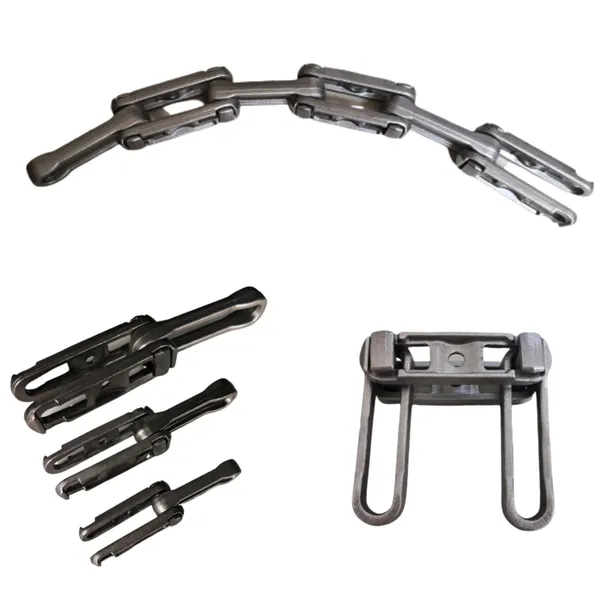
Can a conveyor chain be used in cleanroom environments?
Yes, conveyor chains can be used in cleanroom environments with proper selection and design considerations. Cleanroom environments require stringent control of airborne particles, such as dust, microbes, and contaminants, to maintain high levels of cleanliness. Here are some factors to consider when using a conveyor chain in a cleanroom:
1. การเลือกวัสดุ:
– Choose a conveyor chain made from materials that are compatible with cleanroom requirements. Stainless steel, plastic, or special coatings are commonly used for their clean and non-contaminating properties.
– Avoid materials that generate excessive particles or contaminants, such as certain types of lubricants or chain coatings.
2. Design Considerations:
– Design the conveyor chain system to minimize particle generation. This includes smooth surfaces, rounded edges, and avoiding areas that can trap or accumulate particles.
– Use sealed or enclosed chain designs to prevent the release of lubricants or contaminants.
– Consider the integration of additional features, such as covers or guards, to further protect the chain and prevent particle ingress.
3. Cleaning and Maintenance:
– Establish a cleaning and maintenance protocol specific to the cleanroom environment. This may include regular cleaning and sanitization procedures to maintain cleanliness standards.
– Use cleaning agents and procedures that are approved for cleanroom use and do not introduce contaminants.
– Regularly inspect the conveyor chain system for any signs of wear, damage, or contamination. Promptly address any issues to ensure the chain’s reliability and cleanliness.
4. Compliance with Cleanroom Standards:
– Ensure that the conveyor chain system meets the cleanliness and particle generation requirements of the specific cleanroom standards or classifications in which it will be used.
– Comply with relevant industry guidelines and regulations, such as ISO standards, when selecting and using conveyor chains in cleanroom environments.
By considering these factors and implementing proper material selection, design considerations, cleaning protocols, and compliance with cleanroom standards, a conveyor chain can be effectively used in cleanroom environments while maintaining the required cleanliness levels.
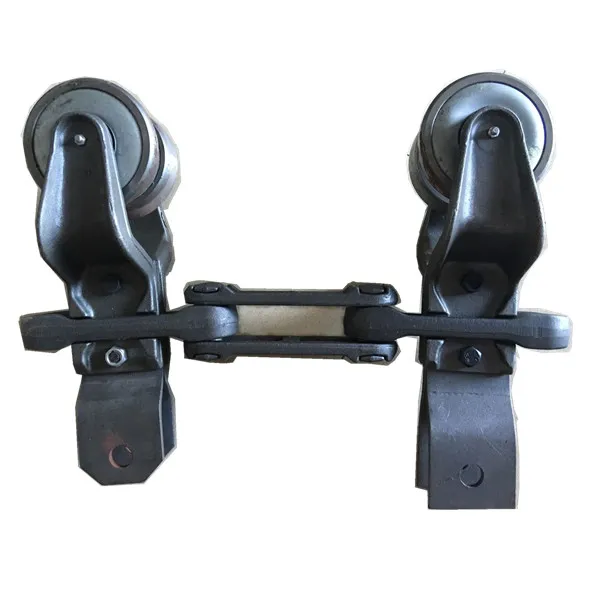
ปัจจัยในการออกแบบสายพานลำเลียงแบบโซ่ช่วงยาวมีอะไรบ้าง?
การออกแบบสายพานลำเลียงแบบช่วงยาวจำเป็นต้องพิจารณาปัจจัยต่างๆ อย่างรอบคอบเพื่อให้มั่นใจถึงประสิทธิภาพ ความปลอดภัย และความน่าเชื่อถือ ต่อไปนี้คือข้อควรพิจารณาที่สำคัญบางประการในการออกแบบ:
1. การเลือกโซ่ลำเลียง: เลือกโซ่ลำเลียงที่เหมาะสมสำหรับช่วงความยาวมากและสามารถรับน้ำหนักได้ตามต้องการ พิจารณาปัจจัยต่างๆ เช่น วัสดุของโซ่ ระยะห่างของฟันโซ่ ความแข็งแรง และความทนทาน เพื่อให้แน่ใจว่าสามารถรับน้ำหนักและสภาพการใช้งานที่คาดการณ์ไว้ได้
2. โครงสร้างสายพานลำเลียง: โครงสร้างสายพานลำเลียงควรได้รับการออกแบบให้มีการรองรับและความมั่นคงที่เพียงพอสำหรับช่วงความยาวที่ยาว พิจารณาปัจจัยต่างๆ เช่น ความแข็งแรงของวัสดุ ความแข็งแกร่ง และการโก่งตัว เพื่อให้แน่ใจว่าโครงสร้างสามารถรับน้ำหนักของโซ่สายพานลำเลียง ผลิตภัณฑ์ที่ขนส่ง และน้ำหนักบรรทุกเพิ่มเติมใดๆ ได้
3. ระบบขับเคลื่อน: เลือกใช้ระบบขับเคลื่อนที่เหมาะสมซึ่งสามารถส่งกำลังไปยังสายพานลำเลียงแบบยาวได้อย่างมีประสิทธิภาพ พิจารณาปัจจัยต่างๆ เช่น กำลังมอเตอร์ ความเร็ว แรงบิด และกลไกควบคุม เพื่อให้มั่นใจได้ถึงการทำงานที่ราบรื่นและเชื่อถือได้
4. การปรับความตึงและการจัดแนว: การปรับความตึงและการจัดแนวโซ่สายพานลำเลียงอย่างเหมาะสมนั้นมีความสำคัญอย่างยิ่งต่อประสิทธิภาพและอายุการใช้งานของระบบ ควรออกแบบระบบโดยคำนึงถึงอุปกรณ์ปรับความตึงและกลไกการจัดแนวที่เพียงพอ เพื่อรักษาระดับความตึงและการจัดแนวของโซ่ให้เหมาะสมตลอดความยาวของสายพานลำเลียง
5. ตัวรองรับและตลับลูกปืน: ติดตั้งตัวรองรับและตลับลูกปืนที่เหมาะสมตลอดความยาวของสายพานลำเลียง เพื่อลดการหย่อนของโซ่ ลดแรงเสียดทาน และรับประกันการเคลื่อนที่ที่ราบรื่น พิจารณาปัจจัยต่างๆ เช่น ประเภทของตลับลูกปืน การหล่อลื่น และข้อกำหนดในการบำรุงรักษา
6. การควบคุมและความปลอดภัยของสายพานลำเลียง: ติดตั้งระบบควบคุมและคุณสมบัติความปลอดภัยที่เหมาะสมเพื่อตรวจสอบและควบคุมการทำงานของสายพานลำเลียงแบบยาว ซึ่งอาจรวมถึงระบบหยุดฉุกเฉิน การตรวจสอบความเร็ว การป้องกันการโอเวอร์โหลด และระบบล็อกเพื่อความปลอดภัย
7. ปัจจัยด้านสิ่งแวดล้อม: พิจารณาสภาพแวดล้อมที่สายพานลำเลียงจะทำงาน เช่น อุณหภูมิ ความชื้น ฝุ่น และสารกัดกร่อน เลือกวัสดุและส่วนประกอบที่สามารถทนต่อสภาวะเหล่านี้ได้ และติดตั้งระบบระบายอากาศ ระบบดักจับฝุ่น และมาตรการป้องกันการกัดกร่อนที่เหมาะสม
8. การบำรุงรักษาและการเข้าถึง: ออกแบบระบบสายพานลำเลียงโดยคำนึงถึงความสะดวกในการบำรุงรักษาและการเข้าถึง จัดให้มีจุดเข้าถึง ทางเดิน และแท่นวางที่เพียงพอสำหรับการตรวจสอบ การทำความสะอาด และงานบำรุงรักษา พิจารณาปัจจัยต่างๆ เช่น จุดหล่อลื่น ระบบทำความสะอาดสายพานลำเลียง และการเปลี่ยนชิ้นส่วนที่สึกหรอได้ง่าย
9. การขยายและความยืดหยุ่นในอนาคต: คาดการณ์ความต้องการในการขยายหรือดัดแปลงในอนาคต และออกแบบสายพานลำเลียงแบบยาวโดยคำนึงถึงความยืดหยุ่นเป็นสำคัญ ซึ่งอาจรวมถึงการเพิ่มส่วนสายพานลำเลียง จุดถ่ายโอน หรือการบูรณาการกับอุปกรณ์อื่นๆ
ด้วยการพิจารณาปัจจัยการออกแบบเหล่านี้ สายพานลำเลียงแบบโซ่ช่วงยาวจึงสามารถออกแบบและปรับให้เหมาะสมกับการใช้งานที่ต้องการได้อย่างมีประสิทธิภาพ ทำให้มั่นใจได้ว่าการลำเลียงวัสดุจะมีความน่าเชื่อถือและคุ้มค่า
How do you properly tension a conveyor chain?
Properly tensioning a conveyor chain is crucial for its smooth operation and to prevent issues like chain slipping or excessive wear. Here are the steps to properly tension a conveyor chain:
- Identify the Tensioning Points: Determine the locations where the conveyor chain can be tensioned. These are typically at the ends of the chain or at specific tensioning devices.
- Loosen the Tensioning Devices: If there are tensioning devices in place, such as adjustable bolts or tensioning screws, loosen them to allow for adjustment.
- Apply Tension: Apply tension to the conveyor chain by either manually pulling the chain or using a tensioning tool. The amount of tension required depends on the chain type and the manufacturer’s recommendations.
- Check the Tension: Use a tension gauge or other suitable method to measure the tension of the conveyor chain. The tension should fall within the specified range provided by the chain manufacturer.
- Adjust the Tension: If the tension is too loose or too tight, make adjustments accordingly. Tighten or loosen the tensioning devices until the desired tension is achieved.
- Secure the Tensioning Devices: Once the proper tension is achieved, securely tighten the tensioning devices to hold the chain in place.
- Verify the Tension: After tensioning the chain, perform a visual inspection and run the conveyor to ensure the chain runs smoothly without excessive slack or tightness. Make any further adjustments if necessary.
It’s important to refer to the specific guidelines provided by the conveyor chain manufacturer for proper tensioning instructions, as the exact method may vary depending on the chain type and design. Regularly check the tension of the conveyor chain and make adjustments as needed to maintain optimal performance.


editor by CX 2024-03-27