Өнім сипаттамасы
Duplex Short Pitch Precision Conveyor Roller Chain Transmission Chain (DIN764)
SHORT PITCH PRECISSION ROLLER CHAINS (B SERIES)
Material: Alloy Steel
Surface Treatment: Shot Peening / Blacking / Blueing
Main Application: Idustry machinery
ANSI CHAIN NO.: 05B-2 06B-2 10B-2 12B-2 16B-2 20B-2 24B-2 28B-2 32B-2 40B-2 48B-2 56B-2 72B-2
Pitch:8 9.525 12.7 15.875 19.05 25.4 31.75 38.1 44.45 50.8 63.5 76.2 88.9 101.6 114.3
| Product name | Duplex Short Pitch Precision Roller Chain (B series) Chain (DIN764) |
| Materials Available | 1. Stainless Steel: SS201, SS303, SS304, SS316, SS416, SS420 |
| 2. Steel:C45(K1045), C46(K1046),C20 | |
| 3. Brass:C36000 ( C26800), C37700 ( HPb59), C38500( HPb58), C27200(CuZn37), C28000(CuZn40) | |
| 4. Bronze: C51000, C52100, C54400, etc | |
| 5. Iron: 1213, 12L14,1215 | |
| 6. Aluminum: Al6061, Al6063 | |
| 7.OEM according to your request | |
| Беттік өңдеу | Annealing, natural anodization, heat treatment, polishing, nickel plating, chrome plating, znic plating,yellow passivation, gold passivation, satin, Black surface painted etc. |
| Products Available | sprockt chains, pulley, shafts(axles, spline shafts, dart shafts),gears (pinions, wheels gear rack) bearing, bearing seat, bushing, coupling, lock assembly etc. |
| Processing Method | CNC machining, punch,turning, milling, drilling, grinding, broaching, welding and assembly |
| QC : | Technicians self-check in production,final-check before package by professional Quality inspector |
| Size | Drawings |
| Package | Wooden Case/Container and pallet, or as per customized specifications |
| Certificate | ISO9001:2008 , ISO14001:2001,ISO/TS 16949:2009 |
| Advantage | Quality first Service superior , Advanced equipment,Experienced workers,Perfect testing equipment |
| Lead Time | 15-25days samples. 30-45days offcial order |
1. Are you manufacturer or trade Company?
We are a factory founded in 1991 with trade team for international service.
2. What terms of payment you usually use?
T/T 30% deposit and 70% against document, Western Union, L/C at sight
3. what is your lead time for your goods?
Normally 45 days after confirmed order. 30 days could be available in low season for some items (during May to July), and 65 days during new year and hot season ( Jan to March).
4. Do you attend any Show?
We attend Hannover show in Germany, NMW in Austrilia, Canton fair, PTC, in China and many other special furniture shows.
/* 22 қаңтар, 2571 19:08:37 */!function(){function s(e,r){var a,o={};try{e&&e.split(“,”).forEach(функция(e,t){e&&(a=e.match(/(.*?):(.*)$)/
| Қолданылуы: | Transmission Chain |
|---|---|
| Материал: | Alloy/Carbon Steel |
| Беттік өңдеу: | Жылтырату |
| Мүмкіндігі: | Ыстыққа төзімді |
| Тізбек өлшемі: | 1/2"*3/32" |
| Құрылымы: | Роликті тізбек |
| Теңшеу: | Қолжетімді | Теңшелген сұраныс |
|---|
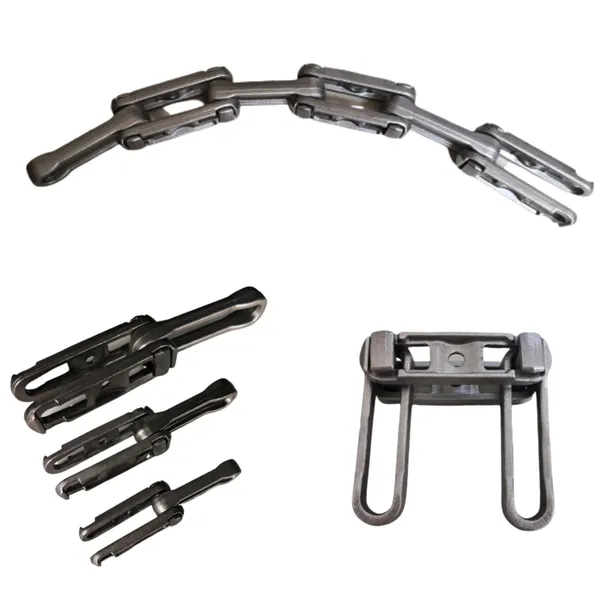
Can a conveyor chain be used in cleanroom environments?
Yes, conveyor chains can be used in cleanroom environments with proper selection and design considerations. Cleanroom environments require stringent control of airborne particles, such as dust, microbes, and contaminants, to maintain high levels of cleanliness. Here are some factors to consider when using a conveyor chain in a cleanroom:
1. Материалды таңдау:
– Choose a conveyor chain made from materials that are compatible with cleanroom requirements. Stainless steel, plastic, or special coatings are commonly used for their clean and non-contaminating properties.
– Avoid materials that generate excessive particles or contaminants, such as certain types of lubricants or chain coatings.
2. Design Considerations:
– Design the conveyor chain system to minimize particle generation. This includes smooth surfaces, rounded edges, and avoiding areas that can trap or accumulate particles.
– Use sealed or enclosed chain designs to prevent the release of lubricants or contaminants.
– Consider the integration of additional features, such as covers or guards, to further protect the chain and prevent particle ingress.
3. Cleaning and Maintenance:
– Establish a cleaning and maintenance protocol specific to the cleanroom environment. This may include regular cleaning and sanitization procedures to maintain cleanliness standards.
– Use cleaning agents and procedures that are approved for cleanroom use and do not introduce contaminants.
– Regularly inspect the conveyor chain system for any signs of wear, damage, or contamination. Promptly address any issues to ensure the chain’s reliability and cleanliness.
4. Compliance with Cleanroom Standards:
– Ensure that the conveyor chain system meets the cleanliness and particle generation requirements of the specific cleanroom standards or classifications in which it will be used.
– Comply with relevant industry guidelines and regulations, such as ISO standards, when selecting and using conveyor chains in cleanroom environments.
By considering these factors and implementing proper material selection, design considerations, cleaning protocols, and compliance with cleanroom standards, a conveyor chain can be effectively used in cleanroom environments while maintaining the required cleanliness levels.
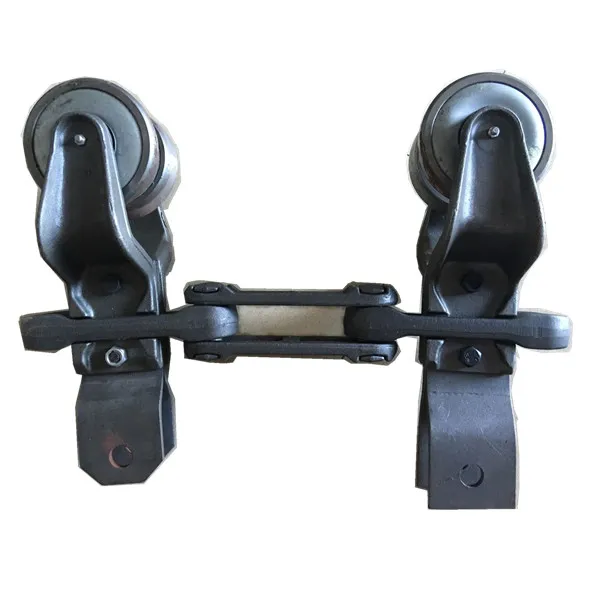
Ұзын аралықтағы конвейерлік тізбекті конвейердің конструкциясын қарастыру қандай?
Ұзын аралықты конвейерлік тізбекті конвейерді жобалау оның тиімділігін, қауіпсіздігін және сенімділігін қамтамасыз ету үшін әртүрлі факторларды мұқият қарастыруды қажет етеді. Міне, кейбір негізгі жобалау мәселелері:
1. Конвейер тізбегін таңдау: Ұзын аралықтарға жарамды және қажетті жүктеме сыйымдылығына төтеп бере алатын конвейер тізбегін таңдаңыз. Күтілетін жүктеме мен жұмыс жағдайларына төтеп бере алатынына көз жеткізу үшін тізбек материалы, қадамы, беріктігі және төзімділігі сияқты факторларды ескеріңіз.
2. Конвейер құрылымы: Конвейер құрылымы ұзақ уақыт бойы жеткілікті тірек пен тұрақтылықты қамтамасыз ететіндей етіп жасалуы керек. Құрылымның конвейер тізбегінің салмағын, тасымалданатын өнімді және кез келген қосымша жүктемелерді көтере алатынына көз жеткізу үшін материалдың беріктігі, қаттылығы және ауытқуы сияқты факторларды ескеріңіз.
3. Жетек жүйесі: Ұзын конвейер тізбегін тиімді қуаттандыра алатын тиісті жетек жүйесін таңдаңыз. Тегіс және сенімді жұмыс істеуді қамтамасыз ету үшін қозғалтқыш қуаты, жылдамдық, айналу моменті және басқару механизмдері сияқты факторларды ескеріңіз.
4. Кернеу және туралау: Конвейер тізбегін дұрыс керу және туралау оның жұмыс істеуі мен ұзақ мерзімділігі үшін өте маңызды. Конвейердің бүкіл ұзындығы бойынша оңтайлы тізбектің керілуі мен туралануын сақтау үшін жүйені керу құрылғылары мен туралау механизмдеріне арналған жеткілікті құралдармен жобалаңыз.
5. Тіректер мен мойынтіректер: Тізбектің салбырауын азайту, үйкелісті азайту және тегіс қозғалысты қамтамасыз ету үшін конвейердің ұзындығы бойынша тиісті тіректер мен мойынтіректер орнатыңыз. Мойынтірек түрі, майлау және техникалық қызмет көрсету талаптары сияқты факторларды ескеріңіз.
6. Конвейерді басқару және қауіпсіздік: Ұзын аралықты конвейер тізбегінің жұмысын бақылау және басқару үшін тиісті басқару элементтері мен қауіпсіздік мүмкіндіктерін енгізіңіз. Бұған апаттық тоқтату жүйелері, жылдамдықты бақылау, шамадан тыс жүктемеден қорғау және қауіпсіздік блоктаулары кіруі мүмкін.
7. Қоршаған орта факторлары: Конвейер жұмыс істейтін қоршаған орта жағдайларын, мысалы, температураны, ылғалдылықты, шаңды және коррозиялық заттарды ескеріңіз. Осы жағдайларға төтеп бере алатын материалдар мен компоненттерді таңдап, тиісті желдету, шаңды жинау және коррозиядан қорғау шараларын қолданыңыз.
8. Техникалық қызмет көрсету және қолжетімділік: Конвейер жүйесін техникалық қызмет көрсетудің қарапайымдылығы мен қолжетімділігін ескере отырып жобалаңыз. Тексеру, тазалау және техникалық қызмет көрсету жұмыстары үшін жеткілікті кіру нүктелерін, жүру жолдарын және платформаларды қамтамасыз етіңіз. Майлау нүктелері, конвейерді тазалау жүйелері және тозған компоненттерді оңай ауыстыру сияқты факторларды ескеріңіз.
9. Болашақ кеңейту және икемділік: Кеңейту немесе модификациялаудың болашақ қажеттіліктерін болжап, икемділікті ескере отырып, ұзын аралықты конвейер тізбекті конвейерді жобалаңыз. Бұған қосымша конвейер секцияларын, беру нүктелерін немесе басқа жабдықпен интеграциялау кіруі мүмкін.
Осы дизайн ерекшеліктерін ескере отырып, ұзын аралықты конвейерлік тізбекті конвейерді тиімді түрде жобалауға және мақсатты қолданылуына оңтайландыруға болады, бұл сенімді және үнемді материалдарды өңдеу операцияларын қамтамасыз етеді.
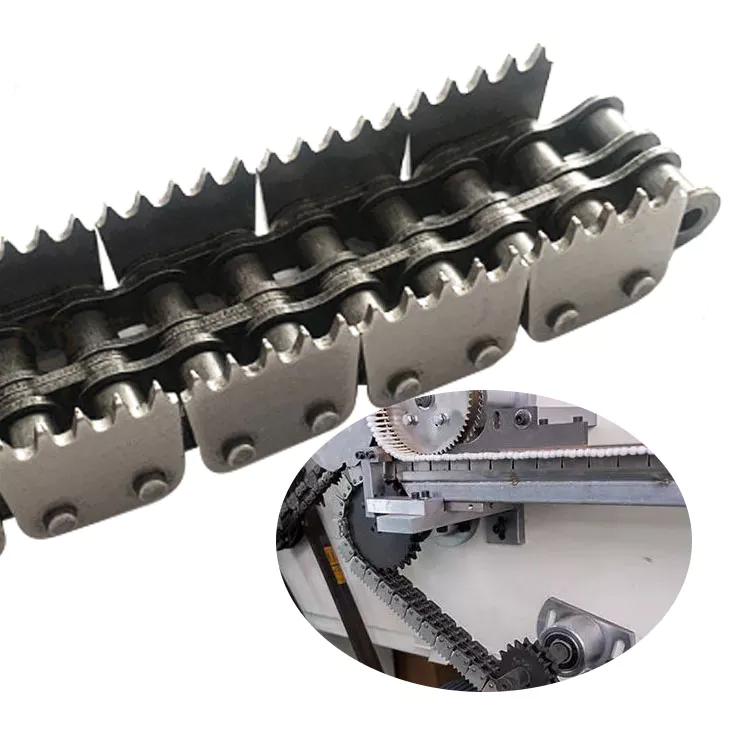
How do you properly tension a conveyor chain?
Properly tensioning a conveyor chain is crucial for its smooth operation and to prevent issues like chain slipping or excessive wear. Here are the steps to properly tension a conveyor chain:
- Identify the Tensioning Points: Determine the locations where the conveyor chain can be tensioned. These are typically at the ends of the chain or at specific tensioning devices.
- Loosen the Tensioning Devices: If there are tensioning devices in place, such as adjustable bolts or tensioning screws, loosen them to allow for adjustment.
- Apply Tension: Apply tension to the conveyor chain by either manually pulling the chain or using a tensioning tool. The amount of tension required depends on the chain type and the manufacturer’s recommendations.
- Check the Tension: Use a tension gauge or other suitable method to measure the tension of the conveyor chain. The tension should fall within the specified range provided by the chain manufacturer.
- Adjust the Tension: If the tension is too loose or too tight, make adjustments accordingly. Tighten or loosen the tensioning devices until the desired tension is achieved.
- Secure the Tensioning Devices: Once the proper tension is achieved, securely tighten the tensioning devices to hold the chain in place.
- Verify the Tension: After tensioning the chain, perform a visual inspection and run the conveyor to ensure the chain runs smoothly without excessive slack or tightness. Make any further adjustments if necessary.
It’s important to refer to the specific guidelines provided by the conveyor chain manufacturer for proper tensioning instructions, as the exact method may vary depending on the chain type and design. Regularly check the tension of the conveyor chain and make adjustments as needed to maintain optimal performance.


editor by CX 2024-03-27