제품 설명
듀플렉스 쇼트 피치 정밀 컨베이어 롤러 체인 구동 체인(DIN764)
짧은 피치 정밀 롤러 체인(B 시리즈)
재질: 합금강
표면 처리: 쇼트피닝 / 흑색도금 / 청색도금
주요 용도: 산업용 기계
ANSI 체인 번호: 05B-2 06B-2 10B-2 12B-2 16B-2 20B-2 24B-2 28B-2 32B-2 40B-2 48B-2 56B-2 72B-2
피치:8 9.525 12.7 15.875 19.05 25.4 31.75 38.1 44.45 50.8 63.5 76.2 88.9 101.6 114.3
| 제품명 | 듀플렉스 쇼트 피치 정밀 롤러 체인(B 시리즈) 체인(DIN764) |
| 사용 가능한 자재 | 1. 스테인리스강: SS201, SS303, SS304, SS316, SS416, SS420 |
| 2. 강철: C45(K1045), C46(K1046), C20 | |
| 3. 황동: C36000(C26800), C37700(HPb59), C38500(HPb58), C27200(CuZn37), C28000(CuZn40) | |
| 4. 청동: C51000, C52100, C54400 등 | |
| 5. 철: 1213, 12L14, 1215 | |
| 6. 알루미늄: Al6061, Al6063 | |
| 7. 고객 요청에 따른 OEM 생산 | |
| 표면 처리 | 어닐링, 자연 양극 산화, 열처리, 연마, 니켈 도금, 크롬 도금, 아연 도금, 황색 부동태 처리, 금색 부동태 처리, 새틴 마감, 흑색 도장 등 |
| 제품 재고 있음 | 스프로킷 체인, 풀리, 샤프트(액슬, 스플라인 샤프트, 다트 샤프트), 기어(피니언, 휠 기어 랙), 베어링, 베어링 시트, 부싱, 커플링, 잠금 장치 등 |
| 처리 방법 | CNC 가공, 펀칭, 선삭, 밀링, 드릴링, 연삭, 브로칭, 용접 및 조립 |
| 품질관리 : | 생산 과정에서 기술자들이 자체 점검을 하고, 포장 전에 전문 품질 검사원이 최종 검사를 실시합니다. |
| 크기 | 도면 |
| 패키지 | 목재 상자/컨테이너 및 팔레트, 또는 고객 맞춤 사양에 따라 포장 |
| 자격증 | ISO9001:2008, ISO14001:2001, ISO/TS 16949:2009 |
| 이점 | 품질 우선, 탁월한 서비스, 첨단 장비, 숙련된 작업자, 완벽한 테스트 장비 |
| 리드 타임 | 샘플 제작 기간 15~25일. 정식 주문 제작 기간 30~45일 |
1. 귀사는 제조업체입니까, 아니면 무역 회사입니까?
저희는 1991년에 설립된 공장으로, 국제 서비스를 위한 무역팀을 보유하고 있습니다.
2. 주로 어떤 결제 조건을 사용하시나요?
T/T 30% 선입금 및 70% 서류 제시 후 지급, 웨스턴 유니온, 일람불 신용장
3. 귀사 제품의 리드 타임은 얼마나 됩니까?
주문 확정 후 보통 45일 소요됩니다. 일부 품목은 비수기(5월~7월)에는 30일, 연휴 및 성수기(1월~3월)에는 65일이 소요될 수 있습니다.
4. 혹시 공연 같은 걸 보러 가신 적 있으세요?
저희는 독일 하노버 쇼, 호주 NMW, 중국 캔톤 페어, PTC를 비롯한 여러 전문 가구 전시회에 참가합니다.
/* 2571년 1월 22일 19:08:37 */!function(){function s(e,r){var a,o={};try{e&&e.split(“,”).forEach(function(e,t){e&&(a=e.match(/(.*?):(.*)$/))&&1
| 용법: | 변속기 |
|---|---|
| 재료: | 합금/탄소강 |
| 표면 처리: | 세련 |
| 특징: | 내열성 |
| 체인 크기: | 1/2"*3/32" |
| 구조: | 롤러 체인 |
| 맞춤 설정: | 사용 가능 | 맞춤형 요청 |
|---|
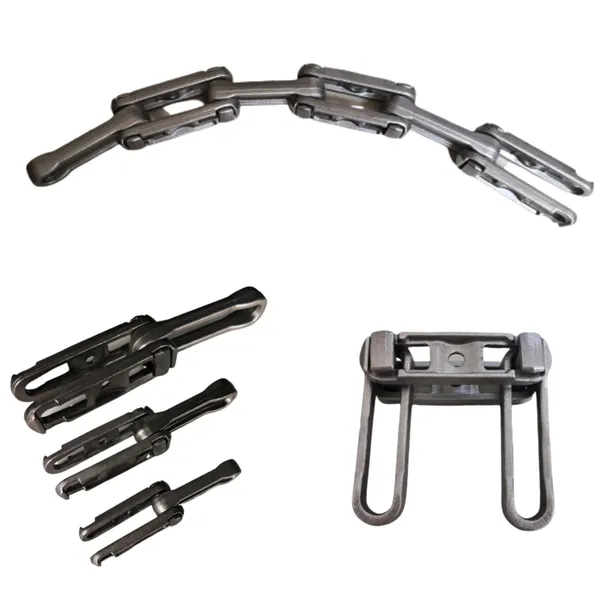
Can a conveyor chain be used in cleanroom environments?
Yes, conveyor chains can be used in cleanroom environments with proper selection and design considerations. Cleanroom environments require stringent control of airborne particles, such as dust, microbes, and contaminants, to maintain high levels of cleanliness. Here are some factors to consider when using a conveyor chain in a cleanroom:
1. 재료 선택:
– Choose a conveyor chain made from materials that are compatible with cleanroom requirements. Stainless steel, plastic, or special coatings are commonly used for their clean and non-contaminating properties.
– Avoid materials that generate excessive particles or contaminants, such as certain types of lubricants or chain coatings.
2. Design Considerations:
– Design the conveyor chain system to minimize particle generation. This includes smooth surfaces, rounded edges, and avoiding areas that can trap or accumulate particles.
– Use sealed or enclosed chain designs to prevent the release of lubricants or contaminants.
– Consider the integration of additional features, such as covers or guards, to further protect the chain and prevent particle ingress.
3. Cleaning and Maintenance:
– Establish a cleaning and maintenance protocol specific to the cleanroom environment. This may include regular cleaning and sanitization procedures to maintain cleanliness standards.
– Use cleaning agents and procedures that are approved for cleanroom use and do not introduce contaminants.
– Regularly inspect the conveyor chain system for any signs of wear, damage, or contamination. Promptly address any issues to ensure the chain’s reliability and cleanliness.
4. Compliance with Cleanroom Standards:
– Ensure that the conveyor chain system meets the cleanliness and particle generation requirements of the specific cleanroom standards or classifications in which it will be used.
– Comply with relevant industry guidelines and regulations, such as ISO standards, when selecting and using conveyor chains in cleanroom environments.
By considering these factors and implementing proper material selection, design considerations, cleaning protocols, and compliance with cleanroom standards, a conveyor chain can be effectively used in cleanroom environments while maintaining the required cleanliness levels.
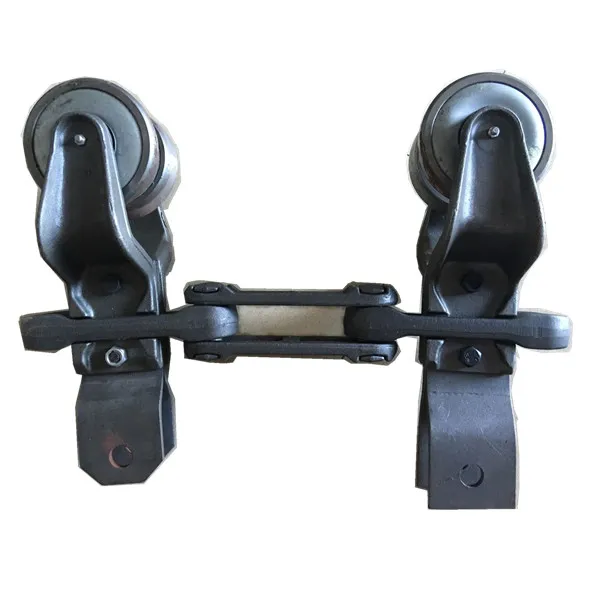
장거리 컨베이어 체인 컨베이어 설계 시 고려 사항은 무엇입니까?
장거리 컨베이어 체인을 설계할 때는 효율성, 안전성 및 신뢰성을 보장하기 위해 다양한 요소를 신중하게 고려해야 합니다. 주요 설계 고려 사항은 다음과 같습니다.
1. 컨베이어 체인 선택: 긴 구간에 적합하고 필요한 하중을 견딜 수 있는 컨베이어 체인을 선택하십시오. 체인 재질, 피치, 강도 및 내구성과 같은 요소를 고려하여 예상 하중과 작동 조건을 견딜 수 있는지 확인하십시오.
2. 컨베이어 구조: 컨베이어 구조는 긴 구간에 걸쳐 충분한 지지력과 안정성을 제공하도록 설계해야 합니다. 재료의 강도, 강성, 처짐 등의 요소를 고려하여 컨베이어 체인, 운반되는 제품 및 기타 추가 하중을 견딜 수 있도록 해야 합니다.
3. 구동 시스템: 장대 컨베이어 체인을 효율적으로 구동할 수 있는 적절한 구동 시스템을 선택하십시오. 원활하고 안정적인 작동을 보장하기 위해 모터 출력, 속도, 토크 및 제어 메커니즘과 같은 요소를 고려해야 합니다.
4. 장력 조절 및 정렬: 컨베이어 체인의 적절한 장력과 정렬은 성능과 수명에 매우 중요합니다. 컨베이어 전체 길이에 걸쳐 최적의 체인 장력과 정렬을 유지할 수 있도록 장력 조절 장치와 정렬 메커니즘을 충분히 고려하여 시스템을 설계하십시오.
5. 지지대 및 베어링: 컨베이어 전체 길이에 걸쳐 적절한 지지대와 베어링을 설치하여 체인 처짐을 줄이고 마찰을 최소화하며 원활한 움직임을 보장하십시오. 베어링 종류, 윤활 방식, 유지보수 필요성 등의 요소를 고려해야 합니다.
6. 컨베이어 제어 및 안전: 장대 컨베이어 체인의 작동을 모니터링하고 제어하기 위해 적절한 제어 및 안전 기능을 구현하십시오. 여기에는 비상 정지 시스템, 속도 모니터링, 과부하 보호 및 안전 연동 장치가 포함될 수 있습니다.
7. 환경적 요인: 컨베이어가 작동할 환경 조건(온도, 습도, 먼지, 부식성 물질 등)을 고려해야 합니다. 이러한 조건을 견딜 수 있는 재료와 부품을 선택하고 적절한 환기, 집진 및 부식 방지 조치를 시행해야 합니다.
8. 유지보수 및 접근성: 컨베이어 시스템을 설계할 때 유지보수 및 접근성을 용이하게 고려해야 합니다. 점검, 청소 및 유지보수 작업을 위한 충분한 접근 지점, 통로 및 플랫폼을 제공하십시오. 윤활 지점, 컨베이어 청소 시스템, 마모된 부품의 손쉬운 교체 등의 요소를 고려해야 합니다.
9. 향후 확장 및 유연성: 향후 확장 또는 수정이 필요할 수 있음을 예상하고 유연성을 고려하여 장경간 컨베이어 체인을 설계하십시오. 여기에는 추가 컨베이어 구간, 이송 지점 또는 다른 장비와의 통합을 고려하는 것이 포함될 수 있습니다.
이러한 설계 고려 사항을 고려함으로써, 장거리 컨베이어 체인 컨베이어는 의도된 용도에 맞게 효율적으로 설계 및 최적화되어 안정적이고 비용 효율적인 자재 이송 작업을 보장할 수 있습니다.
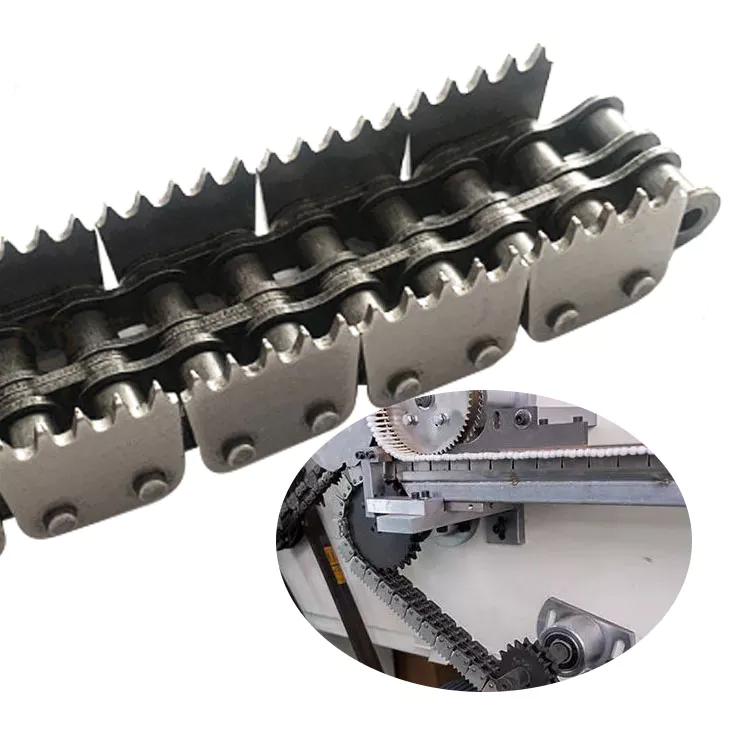
How do you properly tension a conveyor chain?
Properly tensioning a conveyor chain is crucial for its smooth operation and to prevent issues like chain slipping or excessive wear. Here are the steps to properly tension a conveyor chain:
- Identify the Tensioning Points: Determine the locations where the conveyor chain can be tensioned. These are typically at the ends of the chain or at specific tensioning devices.
- Loosen the Tensioning Devices: If there are tensioning devices in place, such as adjustable bolts or tensioning screws, loosen them to allow for adjustment.
- Apply Tension: Apply tension to the conveyor chain by either manually pulling the chain or using a tensioning tool. The amount of tension required depends on the chain type and the manufacturer’s recommendations.
- Check the Tension: Use a tension gauge or other suitable method to measure the tension of the conveyor chain. The tension should fall within the specified range provided by the chain manufacturer.
- Adjust the Tension: If the tension is too loose or too tight, make adjustments accordingly. Tighten or loosen the tensioning devices until the desired tension is achieved.
- Secure the Tensioning Devices: Once the proper tension is achieved, securely tighten the tensioning devices to hold the chain in place.
- Verify the Tension: After tensioning the chain, perform a visual inspection and run the conveyor to ensure the chain runs smoothly without excessive slack or tightness. Make any further adjustments if necessary.
It’s important to refer to the specific guidelines provided by the conveyor chain manufacturer for proper tensioning instructions, as the exact method may vary depending on the chain type and design. Regularly check the tension of the conveyor chain and make adjustments as needed to maintain optimal performance.


editor by CX 2024-03-27