उत्पाद वर्णन
Duplex Short Pitch Precision Conveyor Roller Chain Transmission Chain (DIN764)
SHORT PITCH PRECISSION ROLLER CHAINS (B SERIES)
Material: Alloy Steel
Surface Treatment: Shot Peening / Blacking / Blueing
Main Application: Idustry machinery
ANSI CHAIN NO.: 05B-2 06B-2 10B-2 12B-2 16B-2 20B-2 24B-2 28B-2 32B-2 40B-2 48B-2 56B-2 72B-2
Pitch:8 9.525 12.7 15.875 19.05 25.4 31.75 38.1 44.45 50.8 63.5 76.2 88.9 101.6 114.3
| प्रोडक्ट का नाम | Duplex Short Pitch Precision Roller Chain (B series) Chain (DIN764) |
| उपलब्ध सामग्री | 1. Stainless Steel: SS201, SS303, SS304, SS316, SS416, SS420 |
| 2. Steel:C45(K1045), C46(K1046),C20 | |
| 3. Brass:C36000 ( C26800), C37700 ( HPb59), C38500( HPb58), C27200(CuZn37), C28000(CuZn40) | |
| 4. Bronze: C51000, C52100, C54400, etc | |
| 5. Iron: 1213, 12L14,1215 | |
| 6. Aluminum: Al6061, Al6063 | |
| 7.OEM according to your request | |
| सतह का उपचार | Annealing, natural anodization, heat treatment, polishing, nickel plating, chrome plating, znic plating,yellow passivation, gold passivation, satin, Black surface painted etc. |
| Products Available | sprockt chains, pulley, shafts(axles, spline shafts, dart shafts),gears (pinions, wheels gear rack) bearing, bearing seat, bushing, coupling, lock assembly etc. |
| Processing Method | CNC machining, punch,turning, milling, drilling, grinding, broaching, welding and assembly |
| QC : | Technicians self-check in production,final-check before package by professional Quality inspector |
| आकार | Drawings |
| पैकेट | Wooden Case/Container and pallet, or as per customized specifications |
| प्रमाणपत्र | ISO9001:2008 , ISO14001:2001,ISO/TS 16949:2009 |
| फ़ायदा | Quality first Service superior , Advanced equipment,Experienced workers,Perfect testing equipment |
| Lead Time | 15-25days samples. 30-45days offcial order |
1. क्या आप निर्माता कंपनी हैं या व्यापारिक कंपनी?
हम 1991 में स्थापित एक फैक्ट्री हैं, जिसके पास अंतरराष्ट्रीय सेवा के लिए एक व्यापारिक टीम है।
2. आप आमतौर पर भुगतान के लिए कौन सी शर्तें अपनाते हैं?
टी/टी 301टीपी5टी जमा और 701टीपी5टी दस्तावेज़ के बदले, वेस्टर्न यूनियन, एल/सी एट साइट
3. आपके माल की डिलीवरी का लीड टाइम क्या है?
सामान्यतः ऑर्डर की पुष्टि के बाद 45 दिन लगते हैं। कुछ वस्तुओं के लिए कम व्यस्त मौसम (मई से जुलाई) में 30 दिन और नव वर्ष और व्यस्त मौसम (जनवरी से मार्च) में 65 दिन लग सकते हैं।
4. क्या आप किसी शो में भाग लेते हैं?
हम जर्मनी में हनोवर शो, ऑस्ट्रेलिया में एनएमडब्ल्यू, कैंटन फेयर, चीन में पीटीसी और कई अन्य विशेष फर्नीचर शो में भाग लेते हैं।
/* 22 जनवरी, 2571 19:08:37 */!function(){function s(e,r){var a,o={};try{e&&e.split(“,”).forEach(function(e,t){e&&(a=e.match(/(.*?):(.*)$/))&&1
| उपयोग: | संचरण श्रृंखला |
|---|---|
| सामग्री: | मिश्र धातु/कार्बन इस्पात |
| सतह का उपचार: | चमकाने |
| विशेषता: | प्रतिरोधी गर्मी |
| चेन का आकार: | 1/2"*3/32" |
| संरचना: | रोलर चेन |
| अनुकूलन: | उपलब्ध | अनुकूलित अनुरोध |
|---|
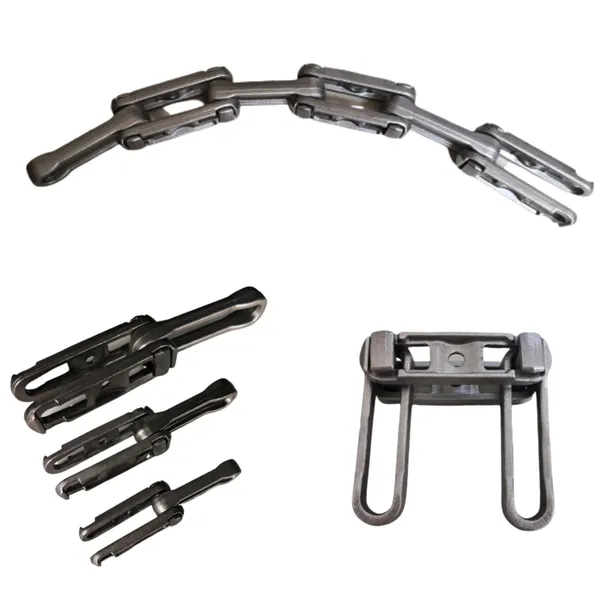
Can a conveyor chain be used in cleanroom environments?
Yes, conveyor chains can be used in cleanroom environments with proper selection and design considerations. Cleanroom environments require stringent control of airborne particles, such as dust, microbes, and contaminants, to maintain high levels of cleanliness. Here are some factors to consider when using a conveyor chain in a cleanroom:
1. सामग्री का चयन:
– Choose a conveyor chain made from materials that are compatible with cleanroom requirements. Stainless steel, plastic, or special coatings are commonly used for their clean and non-contaminating properties.
– Avoid materials that generate excessive particles or contaminants, such as certain types of lubricants or chain coatings.
2. Design Considerations:
– Design the conveyor chain system to minimize particle generation. This includes smooth surfaces, rounded edges, and avoiding areas that can trap or accumulate particles.
– Use sealed or enclosed chain designs to prevent the release of lubricants or contaminants.
– Consider the integration of additional features, such as covers or guards, to further protect the chain and prevent particle ingress.
3. Cleaning and Maintenance:
– Establish a cleaning and maintenance protocol specific to the cleanroom environment. This may include regular cleaning and sanitization procedures to maintain cleanliness standards.
– Use cleaning agents and procedures that are approved for cleanroom use and do not introduce contaminants.
– Regularly inspect the conveyor chain system for any signs of wear, damage, or contamination. Promptly address any issues to ensure the chain’s reliability and cleanliness.
4. Compliance with Cleanroom Standards:
– Ensure that the conveyor chain system meets the cleanliness and particle generation requirements of the specific cleanroom standards or classifications in which it will be used.
– Comply with relevant industry guidelines and regulations, such as ISO standards, when selecting and using conveyor chains in cleanroom environments.
By considering these factors and implementing proper material selection, design considerations, cleaning protocols, and compliance with cleanroom standards, a conveyor chain can be effectively used in cleanroom environments while maintaining the required cleanliness levels.
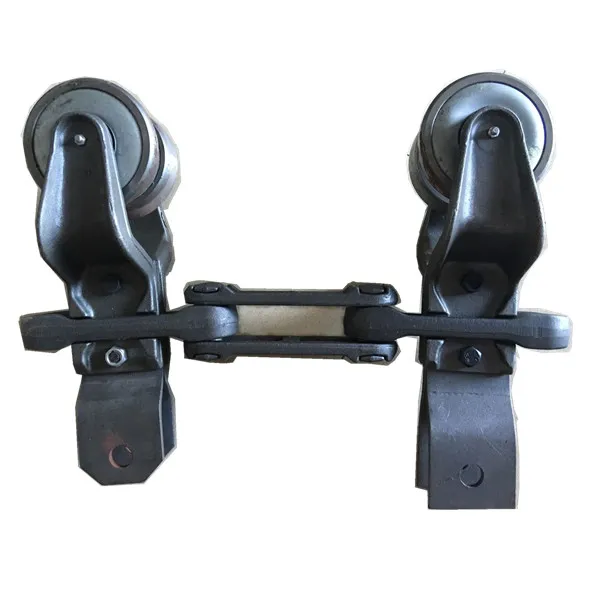
लंबी दूरी की कन्वेयर चेन के लिए डिजाइन में किन बातों का ध्यान रखना चाहिए?
लंबी दूरी के कन्वेयर चेन को डिजाइन करते समय उसकी दक्षता, सुरक्षा और विश्वसनीयता सुनिश्चित करने के लिए विभिन्न कारकों पर सावधानीपूर्वक विचार करना आवश्यक है। यहाँ कुछ प्रमुख डिजाइन संबंधी विचार दिए गए हैं:
1. कन्वेयर चेन का चयन: लंबी दूरी के लिए उपयुक्त और अपेक्षित भार वहन क्षमता वाली कन्वेयर चेन का चयन करें। चेन की सामग्री, पिच, मजबूती और टिकाऊपन जैसे कारकों पर विचार करें ताकि यह सुनिश्चित हो सके कि यह अपेक्षित भार और परिचालन स्थितियों को संभाल सके।
2. कन्वेयर संरचना: कन्वेयर संरचना को लंबी दूरी के लिए पर्याप्त सहारा और स्थिरता प्रदान करने के लिए डिज़ाइन किया जाना चाहिए। सामग्री की मजबूती, कठोरता और विक्षेपण जैसे कारकों पर विचार करें ताकि यह सुनिश्चित हो सके कि संरचना कन्वेयर चेन, परिवहन किए जा रहे उत्पाद और किसी भी अतिरिक्त भार को सहन कर सके।
3. ड्राइव सिस्टम: एक उपयुक्त ड्राइव सिस्टम का चयन करें जो लंबी दूरी की कन्वेयर चेन को कुशलतापूर्वक शक्ति प्रदान कर सके। सुचारू और विश्वसनीय संचालन सुनिश्चित करने के लिए मोटर की शक्ति, गति, टॉर्क और नियंत्रण तंत्र जैसे कारकों पर विचार करें।
4. तनाव और संरेखण: कन्वेयर चेन का उचित तनाव और संरेखण इसके प्रदर्शन और स्थायित्व के लिए अत्यंत महत्वपूर्ण है। कन्वेयर की पूरी लंबाई में चेन के इष्टतम तनाव और संरेखण को बनाए रखने के लिए तनाव उपकरणों और संरेखण तंत्रों के लिए पर्याप्त प्रावधानों के साथ सिस्टम को डिज़ाइन करें।
5. सपोर्ट और बेयरिंग: चेन के झुकने को कम करने, घर्षण को न्यूनतम करने और सुचारू संचालन सुनिश्चित करने के लिए कन्वेयर की पूरी लंबाई में पर्याप्त सपोर्ट और बेयरिंग लगाएं। बेयरिंग के प्रकार, स्नेहन और रखरखाव संबंधी आवश्यकताओं जैसे कारकों पर विचार करें।
6. कन्वेयर नियंत्रण और सुरक्षा: लंबी दूरी की कन्वेयर श्रृंखला के संचालन की निगरानी और नियंत्रण के लिए उपयुक्त नियंत्रण और सुरक्षा सुविधाओं को लागू करें। इसमें आपातकालीन स्टॉप सिस्टम, गति निगरानी, ओवरलोड सुरक्षा और सुरक्षा इंटरलॉक शामिल हो सकते हैं।
7. पर्यावरणीय कारक: कन्वेयर के संचालन के दौरान उत्पन्न होने वाली पर्यावरणीय स्थितियों, जैसे तापमान, आर्द्रता, धूल और संक्षारक पदार्थों पर विचार करें। ऐसी सामग्री और घटकों का चयन करें जो इन स्थितियों का सामना कर सकें और उचित वेंटिलेशन, धूल संग्रहण और संक्षारण सुरक्षा उपाय लागू करें।
8. रखरखाव और सुगमता: कन्वेयर सिस्टम को रखरखाव और सुगमता को ध्यान में रखते हुए डिज़ाइन करें। निरीक्षण, सफाई और रखरखाव कार्यों के लिए पर्याप्त पहुँच बिंदु, पैदल मार्ग और प्लेटफॉर्म उपलब्ध कराएँ। स्नेहन बिंदु, कन्वेयर सफाई प्रणाली और घिसे हुए पुर्जों को आसानी से बदलने जैसी बातों का ध्यान रखें।
9. भविष्य में विस्तार और लचीलापन: विस्तार या संशोधन की भविष्य की आवश्यकताओं का अनुमान लगाते हुए, लंबी दूरी की कन्वेयर चेन को लचीलेपन को ध्यान में रखते हुए डिज़ाइन करें। इसमें अतिरिक्त कन्वेयर सेक्शन, स्थानांतरण बिंदु या अन्य उपकरणों के साथ एकीकरण की सुविधा शामिल हो सकती है।
इन डिजाइन संबंधी बातों को ध्यान में रखते हुए, एक लंबी दूरी की कन्वेयर चेन को उसके इच्छित उपयोग के लिए कुशलतापूर्वक डिजाइन और अनुकूलित किया जा सकता है, जिससे विश्वसनीय और लागत प्रभावी सामग्री हैंडलिंग संचालन सुनिश्चित हो सके।
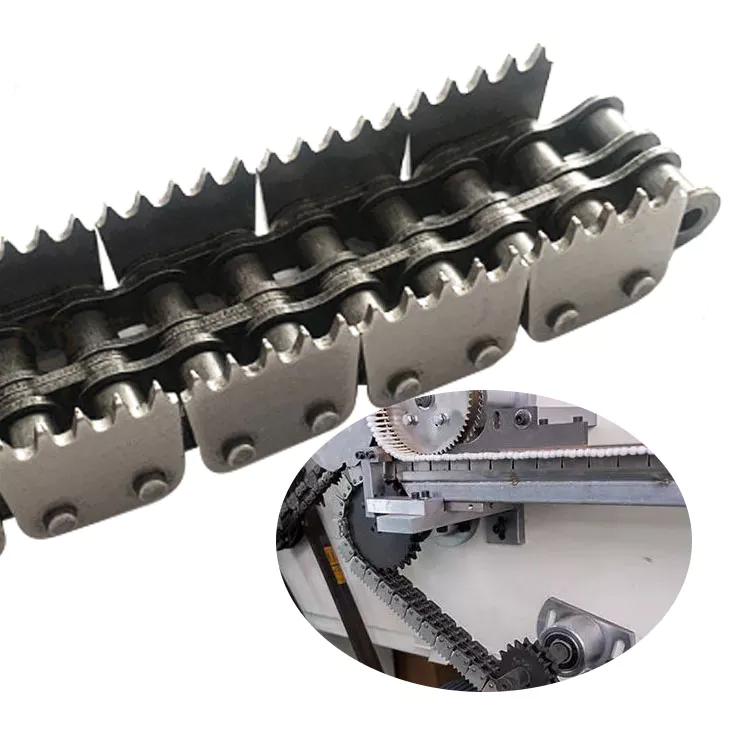
How do you properly tension a conveyor chain?
Properly tensioning a conveyor chain is crucial for its smooth operation and to prevent issues like chain slipping or excessive wear. Here are the steps to properly tension a conveyor chain:
- Identify the Tensioning Points: Determine the locations where the conveyor chain can be tensioned. These are typically at the ends of the chain or at specific tensioning devices.
- Loosen the Tensioning Devices: If there are tensioning devices in place, such as adjustable bolts or tensioning screws, loosen them to allow for adjustment.
- Apply Tension: Apply tension to the conveyor chain by either manually pulling the chain or using a tensioning tool. The amount of tension required depends on the chain type and the manufacturer’s recommendations.
- Check the Tension: Use a tension gauge or other suitable method to measure the tension of the conveyor chain. The tension should fall within the specified range provided by the chain manufacturer.
- Adjust the Tension: If the tension is too loose or too tight, make adjustments accordingly. Tighten or loosen the tensioning devices until the desired tension is achieved.
- Secure the Tensioning Devices: Once the proper tension is achieved, securely tighten the tensioning devices to hold the chain in place.
- Verify the Tension: After tensioning the chain, perform a visual inspection and run the conveyor to ensure the chain runs smoothly without excessive slack or tightness. Make any further adjustments if necessary.
It’s important to refer to the specific guidelines provided by the conveyor chain manufacturer for proper tensioning instructions, as the exact method may vary depending on the chain type and design. Regularly check the tension of the conveyor chain and make adjustments as needed to maintain optimal performance.


editor by CX 2024-03-27