Ürün Açıklaması
Çift Taraflı Kısa Hatveli Hassas Konveyör Makaralı Zincir Aktarım Zinciri (DIN764)
KISA ADIMLI HASSAS MAKARALI ZİNCİRLER (B SERİSİ)
Malzeme: Alaşımlı Çelik
Yüzey İşlemi: Bilye Püskürtme / Karartma / Mavileştirme
Başlıca Kullanım Alanı: Endüstriyel makineler
ANSI ZİNCİR NO.: 05B-2 06B-2 10B-2 12B-2 16B-2 20B-2 24B-2 28B-2 32B-2 40B-2 48B-2 56B-2 72B-2
Pitch:8 9.525 12.7 15.875 19.05 25.4 31.75 38.1 44.45 50.8 63.5 76.2 88.9 101.6 114.3
| Ürün adı | Çift Katlı Kısa Adımlı Hassas Makaralı Zincir (B serisi) Zincir (DIN764) |
| Mevcut Malzemeler | 1. Paslanmaz Çelik: SS201, SS303, SS304, SS316, SS416, SS420 |
| 2. Çelik: C45 (K1045), C46 (K1046), C20 | |
| 3. Pirinç: C36000 (C26800), C37700 (HPb59), C38500 (HPb58), C27200 (CuZn37), C28000 (CuZn40) | |
| 4. Bronz: C51000, C52100, C54400, vb. | |
| 5. Demir: 1213, 12L14, 1215 | |
| 6. Alüminyum: Al6061, Al6063 | |
| 7. İsteğinize göre OEM üretimi | |
| Yüzey İşlemi | Tavlama, doğal anotlama, ısıl işlem, parlatma, nikel kaplama, krom kaplama, çinko kaplama, sarı pasivasyon, altın pasivasyon, saten kaplama, siyah yüzey boyama vb. |
| Mevcut Ürünler | Dişli zincirler, kasnaklar, miller (akslar, kamalı miller, ok milleri), dişliler (pinyonlar, dişli çarklar), rulman, rulman yuvası, burç, kaplin, kilit tertibatı vb. |
| İşleme Yöntemi | CNC işleme, zımbalama, tornalama, frezeleme, delme, taşlama, broşlama, kaynak ve montaj |
| Kalite Kontrol: | Üretim aşamasında teknisyenler kendi kontrollerini yapar, paketlemeden önce ise profesyonel kalite kontrol uzmanı tarafından son kontrol gerçekleştirilir. |
| Boyut | Çizimler |
| Paket | Ahşap kasa/konteyner ve palet veya özel sipariş özelliklerine göre. |
| Sertifika | ISO9001:2008, ISO14001:2001, ISO/TS 16949:2009 |
| Avantaj | Önce kalite, üstün hizmet, gelişmiş ekipman, deneyimli çalışanlar, mükemmel test ekipmanları. |
| Kurşun zamanı | Numuneler 15-25 gün, resmi sipariş 30-45 gün. |
1. Üretici misiniz yoksa ticaret şirketi misiniz?
1991 yılında kurulan ve uluslararası hizmet veren bir ticaret ekibine sahip bir fabrikayız.
2. Genellikle hangi ödeme yöntemlerini kullanıyorsunuz?
T/T 30% depozito ve 70% belge karşılığı, Western Union, akreditif (L/C) peşin ödeme.
3. Ürünleriniz için teslimat süreniz nedir?
Normalde sipariş onaylandıktan sonra 45 gün. Düşük sezonda (Mayıs-Temmuz ayları arasında) bazı ürünler için 30 gün, yılbaşı ve yoğun sezonda (Ocak-Mart ayları arasında) ise 65 gün süre tanınabilir.
4. Herhangi bir gösteriye katılıyor musunuz?
Almanya'daki Hannover fuarına, Avustralya'daki NMW'ye, Çin'deki Kanton fuarına, PTC'ye ve diğer birçok özel mobilya fuarına katılıyoruz.
/* 22 Ocak 2571 19:08:37 */!function(){function s(e,r){var a,o={};try{e&&e.split(“,”).forEach(function(e,t){e&&(a=e.match(/(.*?):(.*)$/))&&1
| Kullanım: | İletim Zinciri |
|---|---|
| Malzeme: | Alaşımlı/Karbon Çelik |
| Yüzey İşlemi: | Parlatma |
| Özellik: | Isıya Dayanıklı |
| Zincir Boyutu: | 1/2"*3/32" |
| Yapı: | Makaralı Zincir |
| Özelleştirme: | Mevcut | Özelleştirilmiş Talep |
|---|
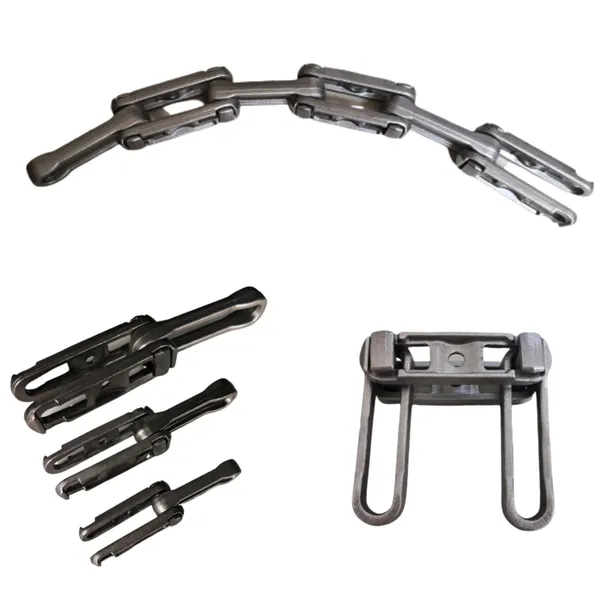
Can a conveyor chain be used in cleanroom environments?
Yes, conveyor chains can be used in cleanroom environments with proper selection and design considerations. Cleanroom environments require stringent control of airborne particles, such as dust, microbes, and contaminants, to maintain high levels of cleanliness. Here are some factors to consider when using a conveyor chain in a cleanroom:
1. Material Selection:
– Choose a conveyor chain made from materials that are compatible with cleanroom requirements. Stainless steel, plastic, or special coatings are commonly used for their clean and non-contaminating properties.
– Avoid materials that generate excessive particles or contaminants, such as certain types of lubricants or chain coatings.
2. Design Considerations:
– Design the conveyor chain system to minimize particle generation. This includes smooth surfaces, rounded edges, and avoiding areas that can trap or accumulate particles.
– Use sealed or enclosed chain designs to prevent the release of lubricants or contaminants.
– Consider the integration of additional features, such as covers or guards, to further protect the chain and prevent particle ingress.
3. Cleaning and Maintenance:
– Establish a cleaning and maintenance protocol specific to the cleanroom environment. This may include regular cleaning and sanitization procedures to maintain cleanliness standards.
– Use cleaning agents and procedures that are approved for cleanroom use and do not introduce contaminants.
– Regularly inspect the conveyor chain system for any signs of wear, damage, or contamination. Promptly address any issues to ensure the chain’s reliability and cleanliness.
4. Compliance with Cleanroom Standards:
– Ensure that the conveyor chain system meets the cleanliness and particle generation requirements of the specific cleanroom standards or classifications in which it will be used.
– Comply with relevant industry guidelines and regulations, such as ISO standards, when selecting and using conveyor chains in cleanroom environments.
By considering these factors and implementing proper material selection, design considerations, cleaning protocols, and compliance with cleanroom standards, a conveyor chain can be effectively used in cleanroom environments while maintaining the required cleanliness levels.
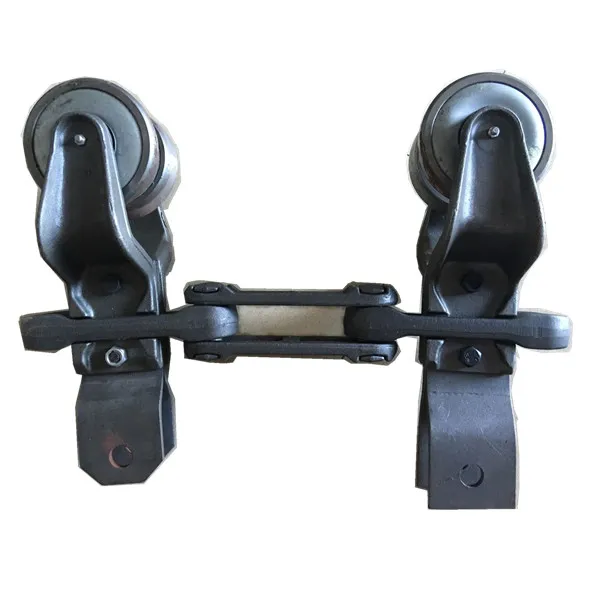
What are the design considerations for a long-span conveyor chain conveyor?
Designing a long-span conveyor chain conveyor requires careful consideration of various factors to ensure its efficiency, safety, and reliability. Here are some key design considerations:
1. Conveyor Chain Selection: Choose a conveyor chain that is suitable for long spans and can withstand the required load capacity. Consider factors such as chain material, pitch, strength, and durability to ensure it can handle the anticipated load and operating conditions.
2. Conveyor Structure: The conveyor structure should be designed to provide sufficient support and stability for the long span. Consider factors such as material strength, rigidity, and deflection to ensure the structure can handle the weight of the conveyor chain, the product being transported, and any additional loads.
3. Drive System: Select an appropriate drive system that can efficiently power the long-span conveyor chain. Consider factors such as motor power, speed, torque, and control mechanisms to ensure smooth and reliable operation.
4. Tensioning and Alignment: Proper tensioning and alignment of the conveyor chain are critical for its performance and longevity. Design the system with adequate provisions for tensioning devices and alignment mechanisms to maintain optimal chain tension and alignment throughout the conveyor’s length.
5. Supports and Bearings: Install adequate supports and bearings along the length of the conveyor to reduce chain sagging, minimize friction, and ensure smooth movement. Consider factors such as bearing type, lubrication, and maintenance requirements.
6. Conveyor Controls and Safety: Implement appropriate controls and safety features to monitor and control the operation of the long-span conveyor chain. This may include emergency stop systems, speed monitoring, overload protection, and safety interlocks.
7. Environmental Factors: Consider the environmental conditions in which the conveyor will operate, such as temperature, humidity, dust, and corrosive substances. Select materials and components that can withstand these conditions and implement proper ventilation, dust collection, and corrosion protection measures.
8. Maintenance and Accessibility: Design the conveyor system with ease of maintenance and accessibility in mind. Provide sufficient access points, walkways, and platforms for inspection, cleaning, and maintenance tasks. Consider factors such as lubrication points, conveyor cleaning systems, and easy replacement of worn components.
9. Future Expansion and Flexibility: Anticipate future needs for expansion or modifications and design the long-span conveyor chain conveyor with flexibility in mind. This may include allowing for additional conveyor sections, transfer points, or integration with other equipment.
By considering these design considerations, a long-span conveyor chain conveyor can be efficiently designed and optimized for its intended application, ensuring reliable and cost-effective material handling operations.
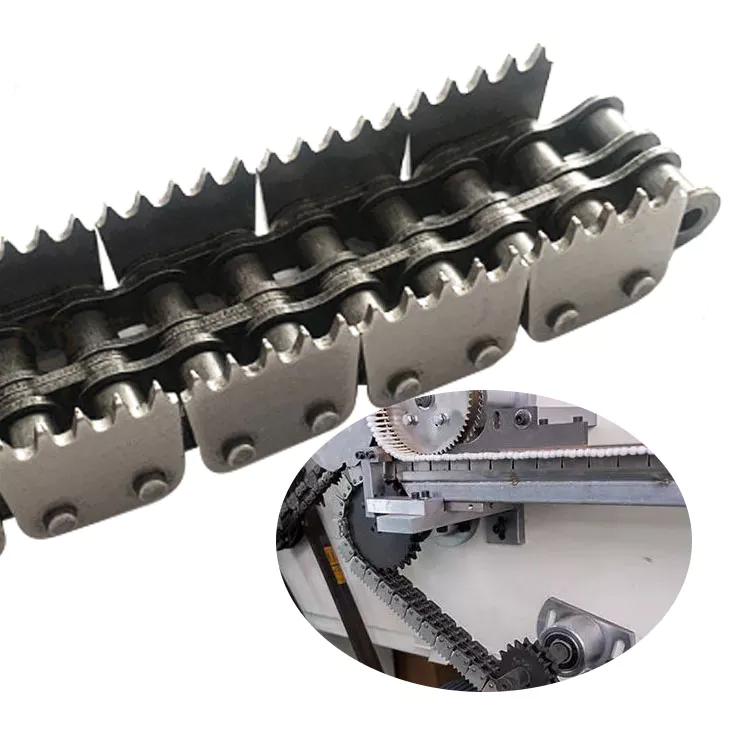
How do you properly tension a conveyor chain?
Properly tensioning a conveyor chain is crucial for its smooth operation and to prevent issues like chain slipping or excessive wear. Here are the steps to properly tension a conveyor chain:
- Identify the Tensioning Points: Determine the locations where the conveyor chain can be tensioned. These are typically at the ends of the chain or at specific tensioning devices.
- Loosen the Tensioning Devices: If there are tensioning devices in place, such as adjustable bolts or tensioning screws, loosen them to allow for adjustment.
- Apply Tension: Apply tension to the conveyor chain by either manually pulling the chain or using a tensioning tool. The amount of tension required depends on the chain type and the manufacturer’s recommendations.
- Check the Tension: Use a tension gauge or other suitable method to measure the tension of the conveyor chain. The tension should fall within the specified range provided by the chain manufacturer.
- Adjust the Tension: If the tension is too loose or too tight, make adjustments accordingly. Tighten or loosen the tensioning devices until the desired tension is achieved.
- Secure the Tensioning Devices: Once the proper tension is achieved, securely tighten the tensioning devices to hold the chain in place.
- Verify the Tension: After tensioning the chain, perform a visual inspection and run the conveyor to ensure the chain runs smoothly without excessive slack or tightness. Make any further adjustments if necessary.
It’s important to refer to the specific guidelines provided by the conveyor chain manufacturer for proper tensioning instructions, as the exact method may vary depending on the chain type and design. Regularly check the tension of the conveyor chain and make adjustments as needed to maintain optimal performance.


editor by CX 2024-03-27