Опис продукту
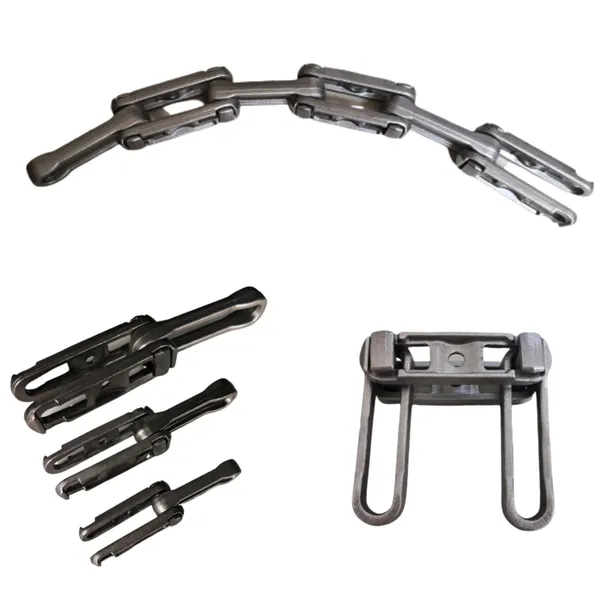
Ланцюг передачі роликового конвеєра з двостороннім коротким кроком (DIN764)
ТОЧНІ РОЛИКОВІ ЛАНЦЮГИ З КОРОТКИМ КРОКОМ (СЕРІЯ B)
Матеріал: Легована сталь
Обробка поверхні: дробоструминне зміцнення / чорніння / вороніння
Основне застосування: промислове обладнання
НОМЕР ЛАНЦЮГА ANSI: 05B-2 06B-2 10B-2 12B-2 16B-2 20B-2 24B-2 28B-2 32B-2 40B-2 48B-2 56B-2 72B-2
Крок: 8 9,525 12,7 15,875 19,05 25,4 31,75 38,1 44,45 50,8 63,5 76,2 88,9 101,6 114,3
| Назва продукту | Двосторонній прецизійний роликовий ланцюг з коротким кроком (серія B) (DIN764) |
| Доступні матеріали | 1. Нержавіюча сталь: SS201, SS303, SS304, SS316, SS416, SS420 |
| 2. Сталь: C45 (K1045), C46 (K1046), C20 | |
| 3. Латунь: C36000 (C26800), C37700 (HPb59), C38500 (HPb58), C27200 (CuZn37), C28000 (CuZn40) | |
| 4. Бронза: C51000, C52100, C54400 тощо | |
| 5. Залізо: 1213, 12L14, 1215 | |
| 6. Алюміній: Al6061, Al6063 | |
| 7.OEM відповідно до вашого запиту | |
| Обробка поверхні | Відпал, природне анодування, термічна обробка, полірування, нікелювання, хромування, цинкування, жовта пасивація, золота пасивація, сатинування, чорне покриття поверхні тощо. |
| Доступні продукти | ланцюги зірочок, шків, вали (осі, шлицеві вали, дротикові вали), шестерні (шестерні, колеса, зубчаста рейка), підшипники, сідла підшипника, втулки, муфти, замки тощо. |
| Метод обробки | Механічна обробка на верстатах з ЧПК, штампування, токарство, фрезерування, свердління, шліфування, протягування, зварювання та складання |
| Контроль якості: | Техніки самостійно перевіряють виробництво, остаточну перевірку перед упаковкою проводить професійний інспектор якості |
| Розмір | Малюнки |
| Пакет | Дерев'яний ящик/контейнер та піддон, або згідно з індивідуальними специфікаціями |
| Сертифікат | ISO9001:2008, ISO14001:2001, ISO/TS 16949:2009 |
| Перевага | Якість понад усе. Вищий рівень обслуговування, сучасне обладнання, досвідчені працівники, ідеальне випробувальне обладнання. |
| Час виконання | Зразки 15-25 днів. Офіційне замовлення 30-45 днів |
1. Ви виробник чи торгова компанія?
Ми - фабрика, заснована в 1991 році, з торговою командою для міжнародного обслуговування.
2. Які умови оплати ви зазвичай використовуєте?
Депозит T/T 30% та 70% проти документа, Western Union, акредитив за пред'явленням
3. який у вас термін виконання ваших товарів?
Зазвичай 45 днів після підтвердження замовлення. 30 днів може бути доступним у низький сезон для деяких товарів (з травня по липень), та 65 днів під час Нового року та спекотного сезону (з січня по березень).
4. Ви відвідуєте якісь виставки?
Ми відвідуємо виставку в Ганновері (Німеччина), NMW (Австралія), Кантонську виставку, PTC (Китай) та багато інших спеціалізованих меблевих виставок.
/* 22 січня 2571 19:08:37 */!function(){function s(e,r){var a,o={};try{e&&e.split(“,”).forEach(function(e,t){e&&(a=e.match(/(.*?):(.*)$/))&&1
| Використання: | Ланцюг передачі |
|---|---|
| Матеріал: | Легована/вуглецева сталь |
| Обробка поверхні: | Полірування |
| Функція: | Термостійкий |
| Розмір ланцюга: | 1/2 дюйма * 3/32 дюйма |
| Структура: | Роликовий ланцюг |
| Налаштування: | Доступно | Індивідуальний запит |
|---|
Can a conveyor chain be used in cleanroom environments?
Yes, conveyor chains can be used in cleanroom environments with proper selection and design considerations. Cleanroom environments require stringent control of airborne particles, such as dust, microbes, and contaminants, to maintain high levels of cleanliness. Here are some factors to consider when using a conveyor chain in a cleanroom:
1. Вибір матеріалу:
– Choose a conveyor chain made from materials that are compatible with cleanroom requirements. Stainless steel, plastic, or special coatings are commonly used for their clean and non-contaminating properties.
– Avoid materials that generate excessive particles or contaminants, such as certain types of lubricants or chain coatings.
2. Design Considerations:
– Design the conveyor chain system to minimize particle generation. This includes smooth surfaces, rounded edges, and avoiding areas that can trap or accumulate particles.
– Use sealed or enclosed chain designs to prevent the release of lubricants or contaminants.
– Consider the integration of additional features, such as covers or guards, to further protect the chain and prevent particle ingress.
3. Cleaning and Maintenance:
– Establish a cleaning and maintenance protocol specific to the cleanroom environment. This may include regular cleaning and sanitization procedures to maintain cleanliness standards.
– Use cleaning agents and procedures that are approved for cleanroom use and do not introduce contaminants.
– Regularly inspect the conveyor chain system for any signs of wear, damage, or contamination. Promptly address any issues to ensure the chain’s reliability and cleanliness.
4. Compliance with Cleanroom Standards:
– Ensure that the conveyor chain system meets the cleanliness and particle generation requirements of the specific cleanroom standards or classifications in which it will be used.
– Comply with relevant industry guidelines and regulations, such as ISO standards, when selecting and using conveyor chains in cleanroom environments.
By considering these factors and implementing proper material selection, design considerations, cleaning protocols, and compliance with cleanroom standards, a conveyor chain can be effectively used in cleanroom environments while maintaining the required cleanliness levels.
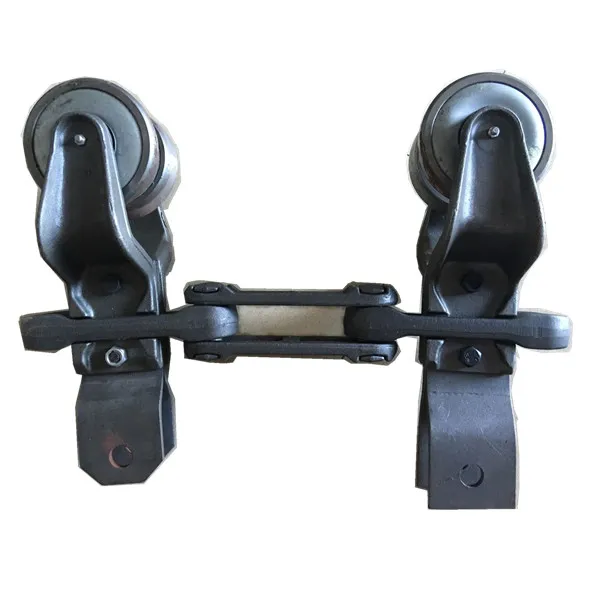
Які конструктивні особливості ланцюгового конвеєра великого прольоту слід враховувати?
Проектування ланцюгового конвеєра великого прольоту вимагає ретельного врахування різних факторів для забезпечення його ефективності, безпеки та надійності. Ось деякі ключові конструктивні міркування:
1. Вибір конвеєрного ланцюга: Виберіть конвеєрний ланцюг, який підходить для великих прольотів і може витримувати необхідну вантажопідйомність. Враховуйте такі фактори, як матеріал ланцюга, крок, міцність і довговічність, щоб переконатися, що він може витримувати очікуване навантаження та умови експлуатації.
2. Конструкція конвеєра: Конструкція конвеєра повинна бути спроектована таким чином, щоб забезпечувати достатню підтримку та стійкість протягом тривалого прольоту. Враховуйте такі фактори, як міцність матеріалу, жорсткість та прогин, щоб переконатися, що конструкція може витримувати вагу конвеєрного ланцюга, продукту, що транспортується, та будь-яких додаткових навантажень.
3. Система приводу: Виберіть відповідну систему приводу, яка може ефективно живити довгопролітний конвеєрний ланцюг. Враховуйте такі фактори, як потужність двигуна, швидкість, крутний момент та механізми керування, щоб забезпечити безперебійну та надійну роботу.
4. Натяг та вирівнювання: Правильне натяг та вирівнювання конвеєрного ланцюга мають вирішальне значення для його продуктивності та довговічності. Спроектуйте систему з достатніми засобами для натягувальних пристроїв та механізмів вирівнювання, щоб підтримувати оптимальне натяг та вирівнювання ланцюга по всій довжині конвеєра.
5. Опори та підшипники: Встановіть відповідні опори та підшипники вздовж довжини конвеєра, щоб зменшити провисання ланцюга, мінімізувати тертя та забезпечити плавний рух. Враховуйте такі фактори, як тип підшипника, змащення та вимоги до технічного обслуговування.
6. Засоби керування конвеєром та безпека: Впровадити відповідні засоби керування та засоби безпеки для моніторингу та керування роботою довгопрольотного конвеєрного ланцюга. Це може включати системи аварійної зупинки, моніторинг швидкості, захист від перевантаження та запобіжні блокування.
7. Фактори навколишнього середовища: Враховуйте умови навколишнього середовища, в яких працюватиме конвеєр, такі як температура, вологість, пил та агресивні речовини. Виберіть матеріали та компоненти, які можуть витримувати ці умови, та запровадьте належну вентиляцію, пиловловлення та заходи захисту від корозії.
8. Технічне обслуговування та доступність: Проектуйте конвеєрну систему з урахуванням легкості обслуговування та доступності. Забезпечте достатню кількість точок доступу, доріжок та платформ для огляду, очищення та технічного обслуговування. Враховуйте такі фактори, як точки змащення, системи очищення конвеєрів та легка заміна зношених компонентів.
9. Майбутнє розширення та гнучкість: Передбачте майбутні потреби в розширенні або модифікаціях та спроектуйте ланцюговий конвеєр великого прольоту з урахуванням гнучкості. Це може включати можливість встановлення додаткових секцій конвеєра, точок перевантаження або інтеграції з іншим обладнанням.
Враховуючи ці конструктивні міркування, ланцюговий конвеєр великого прольоту може бути ефективно спроектований та оптимізований для його цільового застосування, забезпечуючи надійні та економічно ефективні операції з обробки матеріалів.
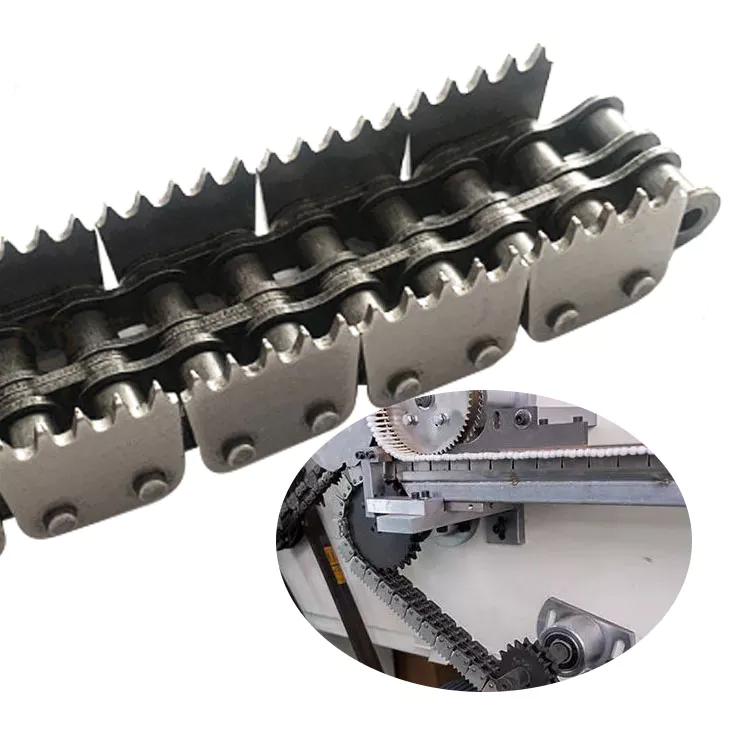
How do you properly tension a conveyor chain?
Properly tensioning a conveyor chain is crucial for its smooth operation and to prevent issues like chain slipping or excessive wear. Here are the steps to properly tension a conveyor chain:
- Identify the Tensioning Points: Determine the locations where the conveyor chain can be tensioned. These are typically at the ends of the chain or at specific tensioning devices.
- Loosen the Tensioning Devices: If there are tensioning devices in place, such as adjustable bolts or tensioning screws, loosen them to allow for adjustment.
- Apply Tension: Apply tension to the conveyor chain by either manually pulling the chain or using a tensioning tool. The amount of tension required depends on the chain type and the manufacturer’s recommendations.
- Check the Tension: Use a tension gauge or other suitable method to measure the tension of the conveyor chain. The tension should fall within the specified range provided by the chain manufacturer.
- Adjust the Tension: If the tension is too loose or too tight, make adjustments accordingly. Tighten or loosen the tensioning devices until the desired tension is achieved.
- Secure the Tensioning Devices: Once the proper tension is achieved, securely tighten the tensioning devices to hold the chain in place.
- Verify the Tension: After tensioning the chain, perform a visual inspection and run the conveyor to ensure the chain runs smoothly without excessive slack or tightness. Make any further adjustments if necessary.
It’s important to refer to the specific guidelines provided by the conveyor chain manufacturer for proper tensioning instructions, as the exact method may vary depending on the chain type and design. Regularly check the tension of the conveyor chain and make adjustments as needed to maintain optimal performance.


editor by CX 2024-03-27