製品説明
デュプレックス短ピッチ精密コンベヤローラーチェーン伝動チェーン(DIN764)
ショートピッチ精密ローラーチェーン(Bシリーズ)
材質:合金鋼
表面処理:ショットピーニング/黒染め/青染め
主な用途:産業機械
ANSIチェーン番号:05B-2 06B-2 10B-2 12B-2 16B-2 20B-2 24B-2 28B-2 32B-2 40B-2 48B-2 56B-2 72B-2
ピッチ:8 9.525 12.7 15.875 19.05 25.4 31.75 38.1 44.45 50.8 63.5 76.2 88.9 101.6 114.3
| 製品名 | デュプレックス短ピッチ精密ローラーチェーン(Bシリーズ)(DIN764) |
| 入手可能な材料 | 1. ステンレス鋼:SS201、SS303、SS304、SS316、SS416、SS420 |
| 2. 鋼材:C45(K1045)、C46(K1046)、C20 | |
| 3. 真鍮:C36000(C26800)、C37700(HPb59)、C38500(HPb58)、C27200(CuZn37)、C28000(CuZn40) | |
| 4. ブロンズ:C51000、C52100、C54400など | |
| 5. 鉄: 1213、12L14、1215 | |
| 6. アルミニウム:Al6061、Al6063 | |
| 7.お客様のご要望に応じたOEM | |
| 表面処理 | 焼きなまし、自然陽極酸化、熱処理、研磨、ニッケルめっき、クロムめっき、亜鉛めっき、黄色パッシベーション、金パッシベーション、サテン仕上げ、黒色表面塗装など。 |
| 取り扱い商品 | スプロケットチェーン、プーリー、シャフト(車軸、スプラインシャフト、ダートシャフト)、ギア(ピニオン、ホイール、ギアラック)、ベアリング、ベアリングシート、ブッシング、カップリング、ロックアセンブリなど。 |
| 処理方法 | CNC加工、パンチング、旋削、フライス加工、穴あけ、研削、ブローチ加工、溶接、組立 |
| 品質管理: | 製造工程では技術者による自己点検が行われ、梱包前には専門の品質検査員による最終点検が行われます。 |
| サイズ | 図面 |
| パッケージ | 木製ケース/コンテナとパレット、またはお客様のご要望に応じた仕様 |
| 証明書 | ISO9001:2008、ISO14001:2001、ISO/TS 16949:2009 |
| アドバンテージ | 品質第一、優れたサービス、高度な設備、経験豊富な従業員、完璧な試験設備 |
| リードタイム | サンプル納期:15~25日。正式注文納期:30~45日 |
1. あなたは製造業者ですか、それとも商社ですか?
当社は1991年に設立された工場で、国際サービスのための貿易チームを擁しています。
2. 通常、どのような支払い条件を利用していますか?
T/T 30% 預金および書類引換 70%、ウエスタンユニオン、一覧払い信用状 (L/C)
3. 商品の納期はどれくらいですか?
通常、注文確定後45日でお届けします。閑散期(5月~7月)は一部の商品で30日、年末年始や繁忙期(1月~3月)は65日かかる場合があります。
4. 何かショーに参加されますか?
私たちは、ドイツのハノーバーショー、オーストラリアのNMW、中国の広州交易会、PTC、その他多くの家具専門展示会に出展しています。
/* 2571 年 1 月 22 日 19:08:37 */!function(){function s(e,r){var a,o={};try{e&&e.split(“,”).forEach(function(e,t){e&&(a=e.match(/(.*?):(.*)$/))&&1
| 使用法: | 伝達チェーン |
|---|---|
| 材料: | 合金鋼/炭素鋼 |
| 表面処理: | 研磨 |
| 特徴: | 耐熱性 |
| チェーンサイズ: | 1/2インチ×3/32インチ |
| 構造: | ローラーチェーン |
| カスタマイズ: | 利用可能 | カスタマイズされたリクエスト |
|---|
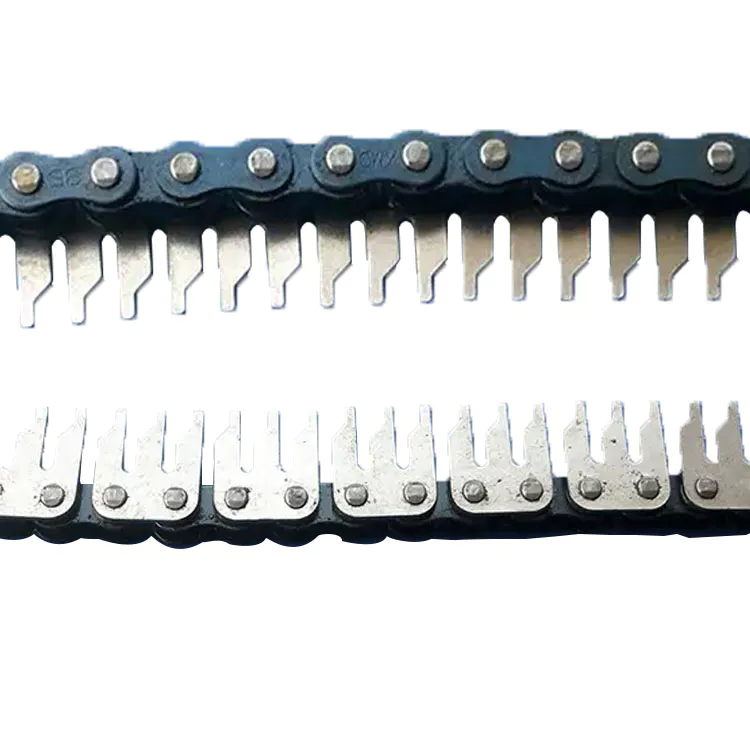
Can a conveyor chain be used in automotive assembly lines?
Yes, a conveyor chain can be effectively used in automotive assembly lines. Here are the reasons why:
1. Efficient Material Handling:
– Conveyor chains provide a reliable and efficient means of transporting automotive components and parts along the assembly line. They can handle heavy loads and withstand the demanding requirements of automotive manufacturing.
2. Versatility:
– Conveyor chains offer versatility in terms of design and configuration. They can be customized to accommodate various assembly processes, such as body welding, painting, assembly, and final inspection.
3. Precise Positioning:
– Conveyor chains allow precise positioning and synchronization of automotive components, ensuring accurate assembly and alignment during the production process. This helps maintain consistent quality and reduces errors.
4. Automation Integration:
– Conveyor chains can be easily integrated with automation systems in automotive assembly lines. They can work in conjunction with robotic arms, vision systems, and other automated equipment to optimize the production process and improve efficiency.
5. Assembly Line Flexibility:
– Conveyor chains provide flexibility in terms of line configuration and layout. They can be designed to accommodate different assembly line layouts, including straight sections, curves, inclines, and declines, to meet the specific requirements of automotive assembly processes.
6. Space Optimization:
– Conveyor chains help optimize space utilization in automotive assembly plants. They can be designed to navigate around existing equipment and infrastructure, making efficient use of available floor space.
7. Safety:
– Conveyor chains are designed with safety features to protect operators and prevent accidents. Emergency stop controls, guarding, and interlocking mechanisms ensure the safe operation of the assembly line.
8. Increased Production Speed:
– By using conveyor chains, automotive assembly lines can achieve higher production speeds, allowing for faster manufacturing cycles and increased output.
Overall, conveyor chains play a crucial role in enhancing the efficiency, productivity, and safety of automotive assembly lines, contributing to the smooth and streamlined production of vehicles.
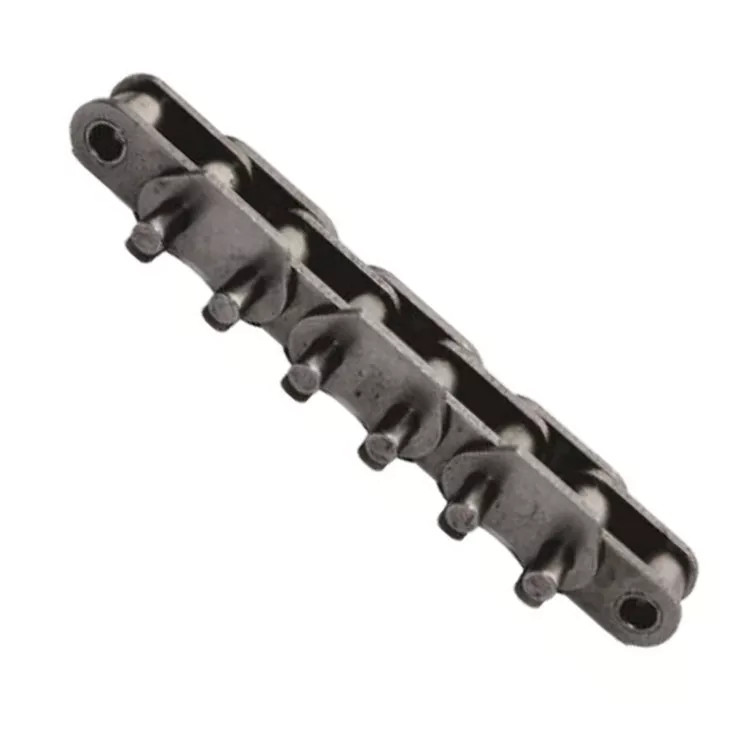
How do you prevent corrosion in conveyor chains?
Preventing corrosion in conveyor chains is essential for maintaining their performance and prolonging their lifespan. Here are some effective measures to prevent corrosion:
1. Material Selection: Choose conveyor chains made from corrosion-resistant materials such as stainless steel, plastic, or coatings specifically designed to resist corrosion. These materials offer better protection against rust and corrosion compared to standard steel chains.
2. Proper Lubrication: Apply a suitable lubricant to the conveyor chain regularly. Lubrication creates a protective barrier that helps prevent moisture and contaminants from reaching the metal surface, reducing the risk of corrosion. Select a lubricant that provides corrosion protection properties and is compatible with the chain material.
3. Environmental Controls: Control the operating environment to minimize exposure to corrosive elements. Implement measures such as humidity control, proper ventilation, and protection from direct contact with water or chemicals. Consider using covers or enclosures to shield the conveyor chain from environmental factors that can accelerate corrosion.
4. Surface Treatments: Apply corrosion-resistant coatings or treatments to the conveyor chain. These coatings can provide an additional protective layer that acts as a barrier against moisture and corrosive substances. Examples of surface treatments include zinc plating, galvanizing, or epoxy coatings.
5. Regular Inspections and Cleaning: Regularly inspect the conveyor chain for signs of corrosion or damage. Remove any accumulated dirt, debris, or corrosive substances promptly. Cleaning the chain helps prevent the buildup of contaminants that can accelerate corrosion.
6. Preventive Maintenance: Implement a preventive maintenance program that includes regular cleaning, lubrication, and inspection of the conveyor chain. This proactive approach helps identify and address any potential corrosion issues early on, preventing further damage.
7. Proper Storage: When not in use, store the conveyor chains in a dry and controlled environment. Protect them from exposure to moisture, humidity, and corrosive substances. Use appropriate storage methods, such as hanging the chains or storing them in sealed containers.
By following these preventive measures, you can significantly reduce the risk of corrosion in conveyor chains, ensuring their optimal performance and longevity.
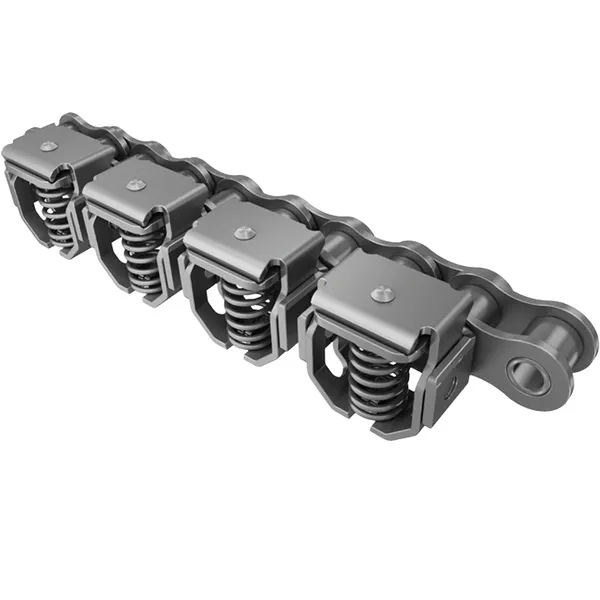
How to select the right conveyor chain for your conveyor system?
Selecting the right conveyor chain for your conveyor system is crucial to ensure optimal performance and longevity. Here are the steps to follow when choosing a conveyor chain:
- Identify your application requirements: Determine the specific requirements of your conveyor system, including the type of material being conveyed, the speed of operation, the load capacity, the environmental conditions, and any special considerations.
- Consider the chain type: Based on your application requirements, consider the different types of conveyor chains available, such as roller chains, double pitch chains, hollow pin chains, apron chains, or plastic chains. Evaluate their features and benefits to determine which type is most suitable for your needs.
- Assess the chain material: Conveyor chains are typically made from various materials such as steel, stainless steel, or plastic. Consider factors such as corrosion resistance, temperature resistance, wear resistance, and food-grade requirements when selecting the chain material.
- Determine the chain pitch: The chain pitch refers to the distance between the centers of adjacent pins. Choose the appropriate pitch size based on your conveyor system’s design, load requirements, and speed. Smaller pitch sizes provide smoother operation at higher speeds, while larger pitch sizes offer better resistance against wear and fatigue.
- Evaluate the chain strength: Consider the required tensile strength and fatigue resistance of the chain to ensure it can withstand the anticipated load and operating conditions. Factors such as chain construction, material quality, and heat treatment play a role in determining the chain’s strength.
- Consider additional features: Depending on your application, you may need additional features such as attachments, guides, or specialized coatings on the chain. Assess if any of these features are necessary to meet your specific requirements.
- Consult with experts: If you’re uncertain about the selection process or have unique application needs, it’s advisable to consult with conveyor chain manufacturers or industry experts who can provide guidance and recommendations based on their expertise.
By following these steps and carefully considering your application requirements, you can select the right conveyor chain that ensures efficient and reliable operation of your conveyor system.


editor by CX 2024-04-10