製品説明
デュプレックス短ピッチ精密コンベヤローラーチェーン伝動チェーン(DIN764)
ショートピッチ精密ローラーチェーン(Bシリーズ)
材質:合金鋼
表面処理:ショットピーニング/黒染め/青染め
主な用途:産業機械
ANSIチェーン番号:05B-2 06B-2 10B-2 12B-2 16B-2 20B-2 24B-2 28B-2 32B-2 40B-2 48B-2 56B-2 72B-2
ピッチ:8 9.525 12.7 15.875 19.05 25.4 31.75 38.1 44.45 50.8 63.5 76.2 88.9 101.6 114.3
| 製品名 | デュプレックス短ピッチ精密ローラーチェーン(Bシリーズ)(DIN764) |
| 入手可能な材料 | 1. ステンレス鋼:SS201、SS303、SS304、SS316、SS416、SS420 |
| 2. 鋼材:C45(K1045)、C46(K1046)、C20 | |
| 3. 真鍮:C36000(C26800)、C37700(HPb59)、C38500(HPb58)、C27200(CuZn37)、C28000(CuZn40) | |
| 4. ブロンズ:C51000、C52100、C54400など | |
| 5. 鉄: 1213、12L14、1215 | |
| 6. アルミニウム:Al6061、Al6063 | |
| 7.お客様のご要望に応じたOEM | |
| 表面処理 | 焼きなまし、自然陽極酸化、熱処理、研磨、ニッケルめっき、クロムめっき、亜鉛めっき、黄色パッシベーション、金パッシベーション、サテン仕上げ、黒色表面塗装など。 |
| 取り扱い商品 | スプロケットチェーン、プーリー、シャフト(車軸、スプラインシャフト、ダートシャフト)、ギア(ピニオン、ホイール、ギアラック)、ベアリング、ベアリングシート、ブッシング、カップリング、ロックアセンブリなど。 |
| 処理方法 | CNC加工、パンチング、旋削、フライス加工、穴あけ、研削、ブローチ加工、溶接、組立 |
| 品質管理: | 製造工程では技術者による自己点検が行われ、梱包前には専門の品質検査員による最終点検が行われます。 |
| サイズ | 図面 |
| パッケージ | 木製ケース/コンテナとパレット、またはお客様のご要望に応じた仕様 |
| 証明書 | ISO9001:2008、ISO14001:2001、ISO/TS 16949:2009 |
| アドバンテージ | 品質第一、優れたサービス、高度な設備、経験豊富な従業員、完璧な試験設備 |
| リードタイム | サンプル納期:15~25日。正式注文納期:30~45日 |
1. あなたは製造業者ですか、それとも商社ですか?
当社は1991年に設立された工場で、国際サービスのための貿易チームを擁しています。
2. 通常、どのような支払い条件を利用していますか?
T/T 30% 預金および書類引換 70%、ウエスタンユニオン、一覧払い信用状 (L/C)
3. 商品の納期はどれくらいですか?
通常、注文確定後45日でお届けします。閑散期(5月~7月)は一部の商品で30日、年末年始や繁忙期(1月~3月)は65日かかる場合があります。
4. 何かショーに参加されますか?
私たちは、ドイツのハノーバーショー、オーストラリアのNMW、中国の広州交易会、PTC、その他多くの家具専門展示会に出展しています。
/* 2571 年 1 月 22 日 19:08:37 */!function(){function s(e,r){var a,o={};try{e&&e.split(“,”).forEach(function(e,t){e&&(a=e.match(/(.*?):(.*)$/))&&1
| 使用法: | 伝達チェーン |
|---|---|
| 材料: | 合金鋼/炭素鋼 |
| 表面処理: | 研磨 |
| 特徴: | 耐熱性 |
| チェーンサイズ: | 1/2インチ×3/32インチ |
| 構造: | ローラーチェーン |
| カスタマイズ: | 利用可能 | カスタマイズされたリクエスト |
|---|
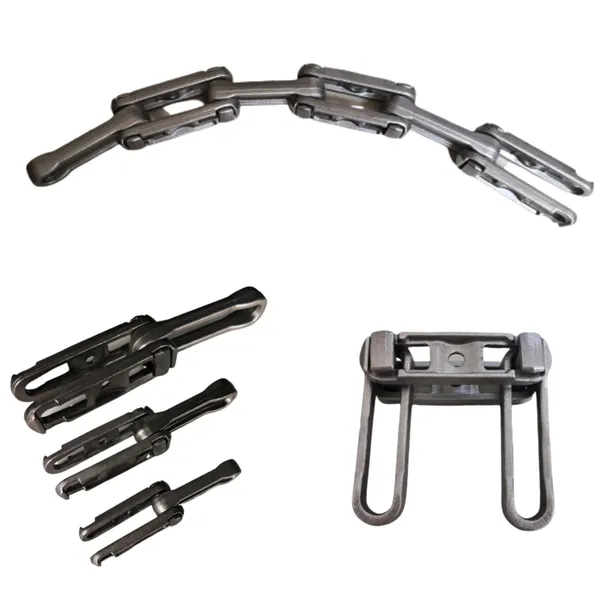
Can a conveyor chain be used in cleanroom environments?
Yes, conveyor chains can be used in cleanroom environments with proper selection and design considerations. Cleanroom environments require stringent control of airborne particles, such as dust, microbes, and contaminants, to maintain high levels of cleanliness. Here are some factors to consider when using a conveyor chain in a cleanroom:
1. 材料の選定:
– Choose a conveyor chain made from materials that are compatible with cleanroom requirements. Stainless steel, plastic, or special coatings are commonly used for their clean and non-contaminating properties.
– Avoid materials that generate excessive particles or contaminants, such as certain types of lubricants or chain coatings.
2. Design Considerations:
– Design the conveyor chain system to minimize particle generation. This includes smooth surfaces, rounded edges, and avoiding areas that can trap or accumulate particles.
– Use sealed or enclosed chain designs to prevent the release of lubricants or contaminants.
– Consider the integration of additional features, such as covers or guards, to further protect the chain and prevent particle ingress.
3. Cleaning and Maintenance:
– Establish a cleaning and maintenance protocol specific to the cleanroom environment. This may include regular cleaning and sanitization procedures to maintain cleanliness standards.
– Use cleaning agents and procedures that are approved for cleanroom use and do not introduce contaminants.
– Regularly inspect the conveyor chain system for any signs of wear, damage, or contamination. Promptly address any issues to ensure the chain’s reliability and cleanliness.
4. Compliance with Cleanroom Standards:
– Ensure that the conveyor chain system meets the cleanliness and particle generation requirements of the specific cleanroom standards or classifications in which it will be used.
– Comply with relevant industry guidelines and regulations, such as ISO standards, when selecting and using conveyor chains in cleanroom environments.
By considering these factors and implementing proper material selection, design considerations, cleaning protocols, and compliance with cleanroom standards, a conveyor chain can be effectively used in cleanroom environments while maintaining the required cleanliness levels.
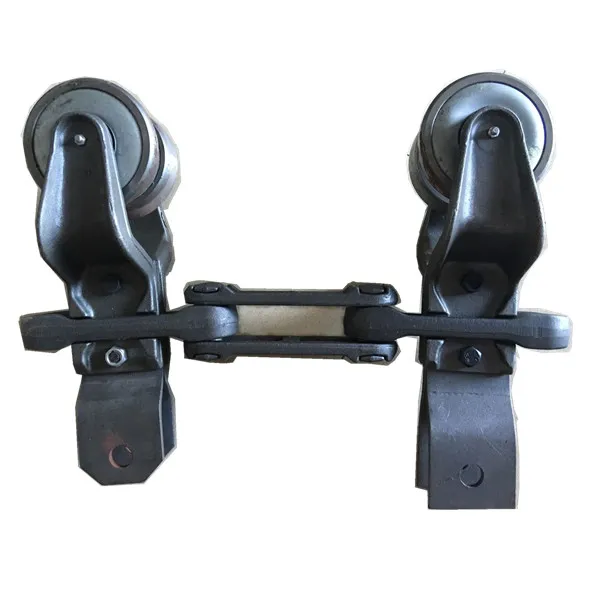
長スパンコンベヤチェーンの設計上の考慮事項は何ですか?
長スパンコンベヤチェーンの設計には、効率性、安全性、信頼性を確保するために、さまざまな要素を慎重に検討する必要があります。以下に、設計上の重要な考慮事項をいくつか示します。
1. コンベヤチェーンの選定:長スパンに適し、必要な耐荷重に耐えられるコンベヤチェーンを選定してください。チェーンの材質、ピッチ、強度、耐久性などの要素を考慮し、想定される荷重と運転条件に対応できることを確認してください。
2. コンベヤ構造:コンベヤ構造は、長いスパンに対して十分な支持力と安定性を提供するように設計する必要があります。材料の強度、剛性、たわみなどの要素を考慮し、構造がコンベヤチェーン、搬送される製品、およびその他の追加荷重の重量に耐えられることを確認してください。
3.駆動システム:長スパンコンベヤチェーンを効率的に駆動できる適切な駆動システムを選定してください。モーター出力、速度、トルク、制御機構などの要素を考慮し、スムーズで信頼性の高い動作を確保してください。
4. 張力調整と位置合わせ:コンベヤチェーンの適切な張力調整と位置合わせは、その性能と寿命にとって非常に重要です。コンベヤ全長にわたって最適なチェーン張力と位置合わせを維持できるよう、張力調整装置と位置合わせ機構のための適切な設備を備えたシステムを設計してください。
5.支持部材とベアリング:コンベアの全長に沿って適切な支持部材とベアリングを設置し、チェーンのたるみを軽減し、摩擦を最小限に抑え、スムーズな動作を確保してください。ベアリングの種類、潤滑方法、メンテナンス要件などの要素を考慮してください。
6.コンベヤの制御と安全:長尺コンベヤチェーンの動作を監視および制御するために、適切な制御機能と安全機能を実装します。これには、緊急停止システム、速度監視、過負荷保護、および安全インターロックなどが含まれます。
7.環境要因:コンベアが稼働する環境条件(温度、湿度、粉塵、腐食性物質など)を考慮してください。これらの条件に耐えられる材料と部品を選定し、適切な換気、集塵、腐食防止対策を実施してください。
8.保守性とアクセス性:コンベアシステムは、保守性とアクセス性を考慮して設計してください。点検、清掃、保守作業のために、十分なアクセスポイント、通路、プラットフォームを設けてください。潤滑箇所、コンベア清掃システム、摩耗部品の容易な交換といった要素も考慮してください。
9.将来の拡張性と柔軟性:将来の拡張や変更の必要性を予測し、柔軟性を考慮して長スパンコンベヤチェーンを設計します。これには、追加のコンベヤセクション、移送ポイント、または他の機器との統合を可能にすることが含まれます。
これらの設計上の考慮事項を踏まえることで、長スパンコンベヤチェーンコンベヤをその用途に合わせて効率的に設計・最適化することができ、信頼性が高く費用対効果の高いマテリアルハンドリング作業を実現できます。
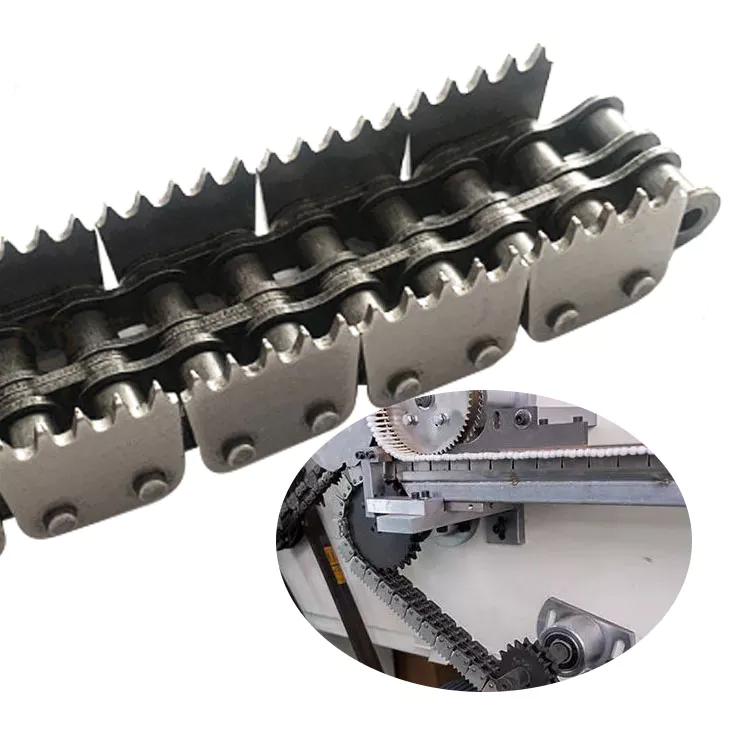
How do you properly tension a conveyor chain?
Properly tensioning a conveyor chain is crucial for its smooth operation and to prevent issues like chain slipping or excessive wear. Here are the steps to properly tension a conveyor chain:
- Identify the Tensioning Points: Determine the locations where the conveyor chain can be tensioned. These are typically at the ends of the chain or at specific tensioning devices.
- Loosen the Tensioning Devices: If there are tensioning devices in place, such as adjustable bolts or tensioning screws, loosen them to allow for adjustment.
- Apply Tension: Apply tension to the conveyor chain by either manually pulling the chain or using a tensioning tool. The amount of tension required depends on the chain type and the manufacturer’s recommendations.
- Check the Tension: Use a tension gauge or other suitable method to measure the tension of the conveyor chain. The tension should fall within the specified range provided by the chain manufacturer.
- Adjust the Tension: If the tension is too loose or too tight, make adjustments accordingly. Tighten or loosen the tensioning devices until the desired tension is achieved.
- Secure the Tensioning Devices: Once the proper tension is achieved, securely tighten the tensioning devices to hold the chain in place.
- Verify the Tension: After tensioning the chain, perform a visual inspection and run the conveyor to ensure the chain runs smoothly without excessive slack or tightness. Make any further adjustments if necessary.
It’s important to refer to the specific guidelines provided by the conveyor chain manufacturer for proper tensioning instructions, as the exact method may vary depending on the chain type and design. Regularly check the tension of the conveyor chain and make adjustments as needed to maintain optimal performance.


editor by CX 2024-03-27